What Is IT Asset Management?
The process of keeping an eye on, maintaining, acquiring, and dismantling IT assets is known as IT asset management. Hardware, software, and even data that a business or organisation values are all considered IT assets. IT asset management might seem like a daunting task with the growing complexity of cloud technologies and software that is both licence-based and usage-based. IT asset management software, on the other hand, streamlines workflow and automates laborious tasks for you.
Unlocking the potential of managing its assets requires an understanding of its scope. Envision has a well-defined IT ecosystem map, where each piece of software and hardware blends in perfectly with the overall scheme. Even the most complex configurations can be handled with the correct tools, creating a more unified and productive workplace.
How Asset Management Software Can Help You
The majority of organisations are aware that they must monitor and manage their IT assets, but few actually do so, frequently out of fear of having to spend more time and money on it. IT asset management software, on the other hand, streamlines and expedites the procedure, making it economical and effective. Here's how it can help:
1. Create an Asset Inventory
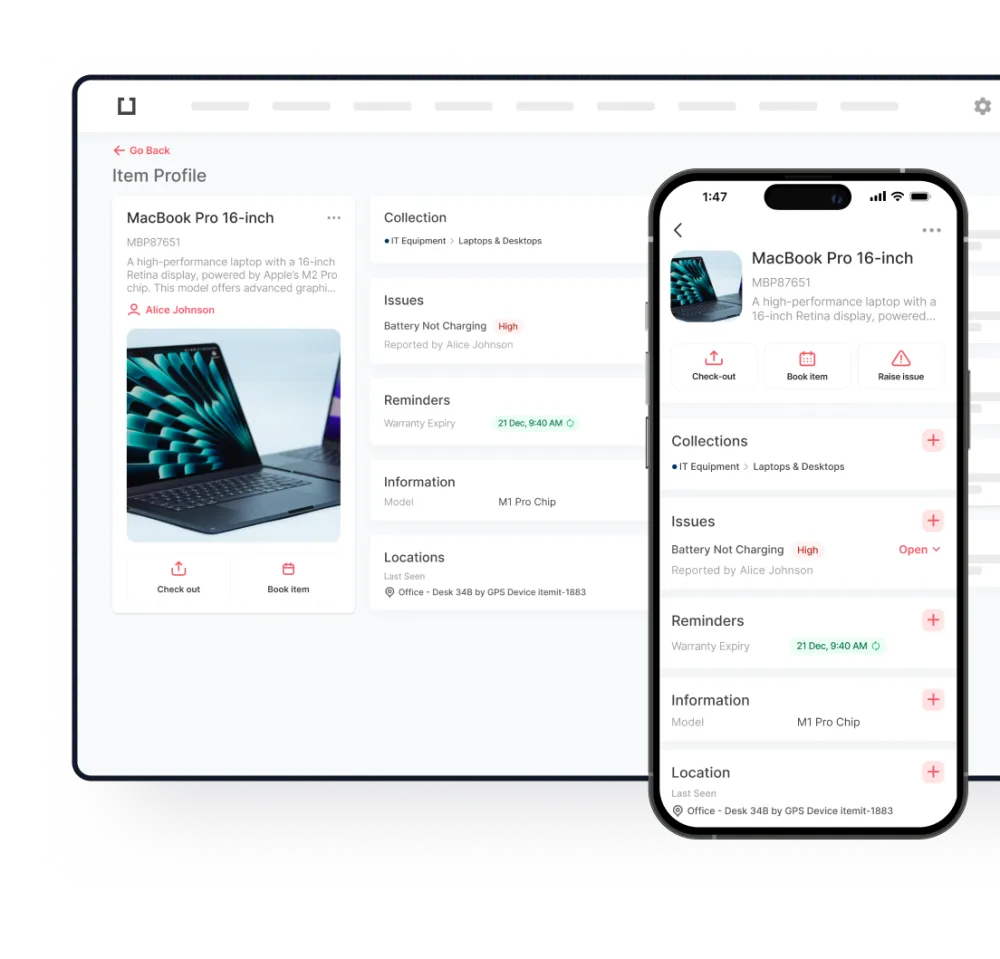
The first step in using IT asset management software is to compile a thorough inventory of all IT assets. This phase is important because it gives you a full picture of the resources in your organisation. Whether it's a desktop computer, server, software licence, or peripheral device, cataloguing every asset makes sure nothing is missed. Assigning accountability is made simpler by the software's capacity to track asset ownership in addition to recording crucial information like purchase date, warranty duration, and serial numbers.
2. Tracking
To keep an eye on IT assets at all times, use an IT asset management system. Financial data (asset costs), contractual data (warranties, licences, and service-level agreements), and inventory data (location and condition of physical assets) are all gathered in order to track each asset. By preventing any bottlenecks or disruptions, this degree of monitoring guarantees that you always have up-to-date information on asset status.
Furthermore, tracking features go beyond tangible objects. You may also keep an eye on virtual assets, such as cloud subscriptions and virtual machines, which provide you a comprehensive picture of your IT environment. This enables organisations to make the best use of both on-premises and cloud-based resources while adjusting to the increasing popularity of hybrid work environments.
3. Maintenance
By using an IT asset management system, you can keep track of when licences expire and when updates, repairs, and upgrades are needed, preventing asset downtime. The software lowers human error and guarantees consistency in maintenance schedules by automating these procedures. Moreover, thorough maintenance logs enable you to investigate performance patterns and spot persistent problems. This proactive strategy assists with successful budgeting and future need forecasting in addition to prolonging the lives of assets.
4. Centralised Visibility
The capacity of IT asset management software to offer centralised visibility into your IT ecosystem is one of its best features. The same current information is available to all stakeholders, including finance teams and IT staff. Decisions are made using correct, shared data thanks to this transparency, which also promotes teamwork and breaks down silos.
5. Compliance and Risk Mitigation
Concern over regulatory compliance is rising among businesses of all kinds. Serious fines and harm to one's reputation may result from noncompliance. IT asset management software tracks important data, including licence agreements, warranties, and data consumption. So your company stays compliant. You may reduce the chance of oversight by staying ahead of compliance deadlines with the help of automated notifications and reports.
6. Cost Optimisation
Managing IT assets effectively involves more than simply organisation; it also involves optimisation. The programme assists organisations in reducing wasteful expenses by offering insights into assets that are underutilised or redundant. For example, you can cut back to save money if particular software licences are hardly used. In a similar vein, recognising overworked hardware might help you plan upgrades or reallocate resources to avoid expensive failures.
IT asset management software turns asset tracking from a reactive task into a proactive one by combining these features into a single platform. An organisation that is more flexible, effective, and progressive is the end outcome.