Fixed asset register software is an essential tool for your business. This is because fixed asset tracking is critical in helping you save time and money by avoiding risks.
Asset tracking and fixed asset register software give you the transparency and control you need over your assets and the ability to foresee, avoid, and rectify many asset-related problems.
So, how do you use fixed asset register software to track your fixed assets? The process is simple and the return on investment you get is massive, so, we'll walk you through how to get started and how to see the benefits.

Audit & Add Your Fixed Assets
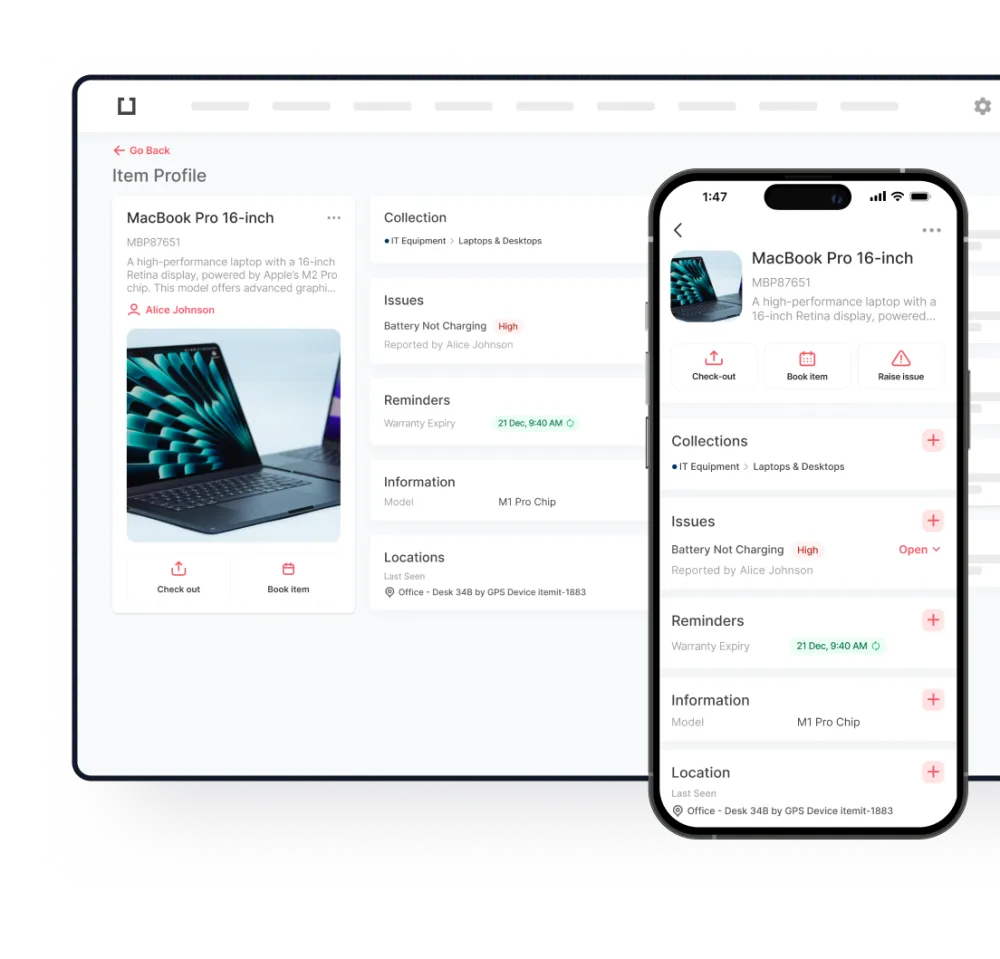
The first step is auditing and adding your fixed assets to your fixed asset register software. You may have an existing fixed asset register in the form of a spreadsheet or some form of existing tracking in place or you may not.
Whether or not you have any visibility over your fixed assets when you're opting for fixed asset register software, it's still a good idea to audit your assets while you're adding them.
So, while adding ten laptops as asset profiles in your asset tracking software can be a simple "add x10 laptops", physically checking these laptops exist at the same time create the most accuracy from the start.
The reason you will be using fixed asset register software is because of the gaps and inefficiencies spreadsheet tracking or limited tracking will cause, so for that reason, creating more accurate and complete data from the offset will have massive benefits.
It will be possible to audit after the fact and fine down your asset numbers, too.