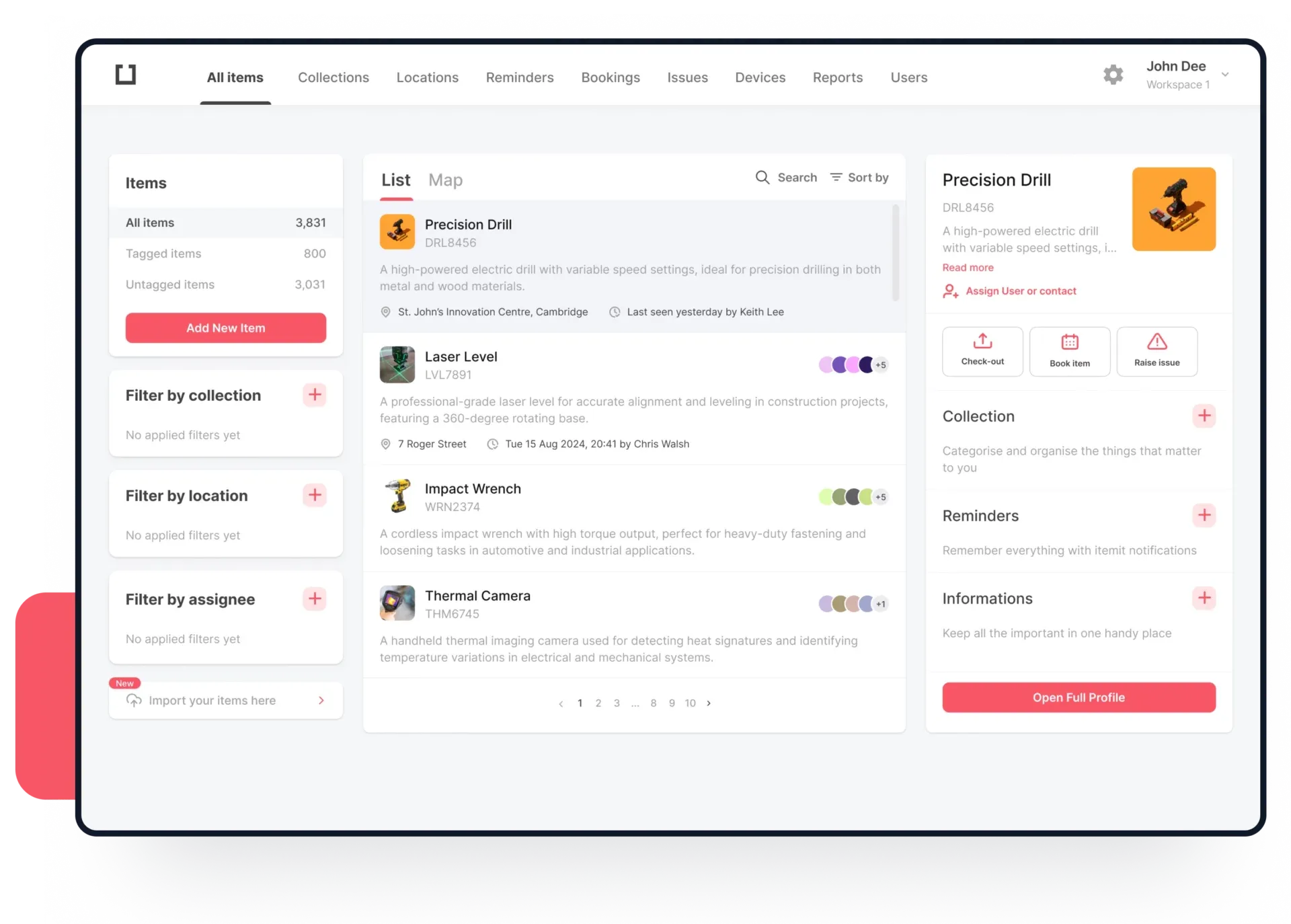
Imagine your team arriving at a critical job site, only to discover that the vital tools they need are missing, broken, or left behind at the depot. This scenario plays out daily for businesses lacking proper control over their physical assets, leading to costly delays, frustrated employees, and completely avoidable replacement expenses. Equipment is the lifeblood of many organizations, from construction firms and healthcare providers to IT departments and media production companies. Without a clear system to monitor where these items are and what condition they are in, operations simply grind to a halt.
At its core, a robust tracking strategy does more than just prevent loss. It transforms a chaotic, reactive environment into a streamlined, predictable operation. When you know precisely what you own, who is holding it, and when it requires preventative maintenance, you empower your workforce to perform at their absolute best. You also protect your bottom line from the slow bleed of "ghost assets" and redundant purchases.
In this comprehensive guide, we will explore everything you need to know to take control of your business assets. We will define the concepts, explore the tangible benefits, outline a practical plan to get started, and show you exactly how modern software can eliminate headaches. Whether you are managing heavy machinery, delicate IT devices, or a vast fleet of vehicles, implementing the right procedures will yield a tremendous return on your investment.
What Is Equipment management?
Equipment management is the systematic process of overseeing, tracking, and maintaining physical assets over their entire lifecycle. This process begins the moment an item is purchased and continues through its active deployment, maintenance phases, and eventual retirement or disposal. The ultimate goal is to maximize the utility and lifespan of every single piece of gear your organization owns, ensuring that your teams always have reliable tools ready when they need them.
Defining the Scope of the Practice
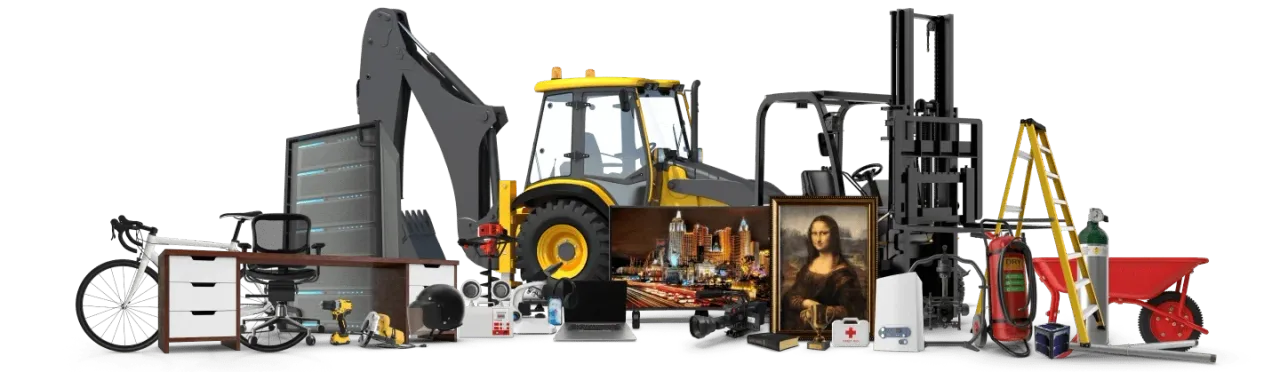
The scope of this discipline is vast and varies drastically depending on your industry. For a construction firm, it might mean tracking the location of excavators, monitoring engine hours, and scheduling hydraulic servicing. For a hospital, it might involve ensuring that portable ultrasound machines are calibrated, sanitized, and immediately locatable during a crisis. For an IT department, it means knowing exactly which employee has which laptop, verifying software licenses, and tracking warranty expirations.
Regardless of the industry, effective management revolves around answering fundamental questions: Where is this item? Who is responsible for it? Is it fully functional? When is the next safety inspection due? How much value has it depreciated? Answering these questions manually is nearly impossible at scale, which is why businesses are abandoning cumbersome spreadsheets in favor of dedicated asset tracking software.
The Difference Between Equipment and Inventory
A common point of confusion is the distinction between equipment and inventory. While they sound similar, they require entirely different handling procedures. Inventory refers to consumable goods or materials that your business intends to sell, use up, or incorporate into a final product. Examples include raw materials, office supplies, or retail stock. Inventory is transient; it is consumed or sold.
Equipment, on the other hand, consists of fixed assets that your business uses to operate and generate revenue on an ongoing basis. These items are meant to be retained and utilized over a long period. A forklift is equipment; the pallets of goods it moves are inventory. Because equipment is retained, it requires tracking for maintenance, depreciation, and custody, making the management process significantly more complex than simple inventory stocktaking.
The Core Components of the Process
To fully grasp the concept, it helps to break it down into its core functional areas. The first is acquisition and cataloging. When a new item arrives, it must be officially recorded in a central registry, typically by assigning it a unique barcode or RFID tag. This initial step establishes the baseline record.
Following registration, the focus shifts to deployment and custody tracking. This involves recording who checks out an item, where they take it, and when they return it. Accountability is established during this phase. Simultaneously, maintenance scheduling becomes crucial. Preventative maintenance keeps items operational and safe, preventing catastrophic breakdowns while prolonging usability.
Finally, there is financial oversight. This includes calculating depreciation for tax purposes, assessing the total cost of ownership, and making data-driven decisions about when an asset has become too expensive to repair and must finally be decommissioned.
Benefits of Equipment management
Implementing a formal system yields a dramatic transformation in how a business operates. The advantages extend far beyond simply knowing where things are; they impact everything from granular daily workflows to high-level financial planning.
Ready to take control of your assets?
Discover how itemit can streamline your operations, save you money, and eliminate the headache of lost gear.
Book Your Free Demo TodayFinancial Savings and Phenomenal ROI
The most immediate and compelling benefit is the sheer amount of money saved. Without a central tracking system, "ghost assets" plague organizations. These are items recorded on the accounting ledger that are either lost, stolen, or entirely unusable. Companies end up paying taxes and insurance premiums on gear that does not even exist.
Furthermore, when workers cannot find a tool, the default reaction is often to simply buy a replacement. This leads to massive redundancies and wasted capital. By establishing strict accountability, theft and loss plummet. Employees treat company property with greater care when they know it is assigned directly to them. The savings realized from preventing unnecessary repurchases often cover the cost of a tracking system within the very first month of deployment.
Increased Operational Efficiency and Productivity
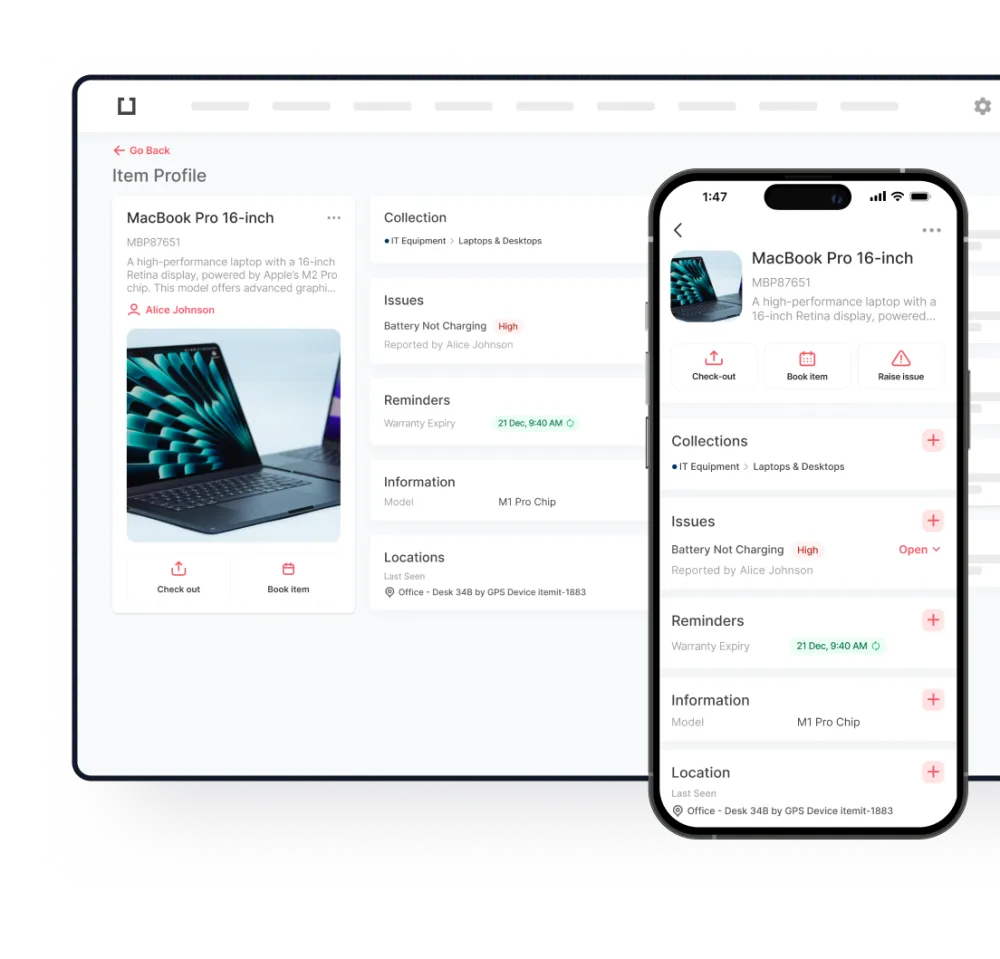
Consider the cumulative hours your workforce spends wandering around job sites or offices looking for specific items. Ten minutes here, twenty minutes there; across dozens of employees, this wasted time equates to thousands of dollars in lost productivity annually. A robust system provides absolute visibility. A worker can open an app, search for a specific tool, see its exact location, and confirm that it is available.
This efficiency also extends to project planning. Project managers can confidently allocate resources because they have real-time data on exactly what is available in the depot. There is no more guessing, and there are no more costly project delays caused by sudden equipment shortages.
Regulatory Compliance and Enhanced Safety
In highly regulated industries like healthcare, construction, and aviation, safety inspections are not optional; they are mandated by law. Failing to maintain machinery properly can result in catastrophic accidents, devastating lawsuits, and crippling fines. Managing equipment properly means setting up automated alerts for routine safety checks, calibration requirements, and preventative maintenance.
When an auditor visits, you have an immutable, digital log proving that every safety protocol has been followed. This digital paper trail is invaluable for passing inspections seamlessly and protecting your organization from liability.
Improved Accountability
When workers know that a specific, highly desirable tool is frequently missing, they will often hide it away for their own exclusive use. This artificially starves the rest of the company of vital resources.
Implementing a formal checkout system shatters this dynamic. Everything is out in the open. You can run reports to see who is holding onto gear for extended periods without usage. By establishing clear chains of custody, you foster a culture of shared responsibility and ensure resources are distributed fairly and effectively across all departments.