Any effective building project's foundation is the effective storage of building materials. From big-scale infrastructure projects to little house builds, how materials are kept, handled, and tracked directly affects waste management, prices, and production. In a field where budgets are even tighter, and timeframes are limited, improper material handling in construction can cause unneeded losses, delays, and safety risks.
Storage facilities for contractors, builders, and builder merchants continuously struggle to maintain building raw materials safe, orderly, and easily available. From bulk aggregates to precision-engineered components, the sheer number and diversity of storage materials call for creative ideas to reduce waste and simplify processes. Projects running without a suitable building materials storage system run the danger of misplacing important resources, overordering supplies, or experiencing weather-related degradation.
Beyond just logistics, proper financial efficiency depends much on the processing of building materials. Inappropriate handling of building site materials could raise carbon footprints, distort processes, and drive expenses. Reducing losses and guaranteeing seamless operations depend on finding efficient methods to store building supplies and include advanced asset-tracking solutions.
The Challenges of Storing Construction Materials
Control of building materials presents various difficulties that affect project schedules, cost, and efficiency. In construction, improper material handling results in loss, damage, and misplacement that all disturb operations and raise costs.
Common Issues in Storage Management
- Material Loss & Misplacement – Poor organisation and tracking result in misplaced construction site materials, leading to unnecessary reorders and delays.
- Damage & Deterioration – Weather exposure, rough handling, and improper storage of material cause degradation, especially for moisture-sensitive supplies like drywall and insulation.
- Limited Space & Inefficiency – Cluttered warehouse construction materials facilities or job sites slow down operations and create safety risks.
- Theft & Security Risks – High-value building materials storage locations often suffer from theft without proper surveillance or inventory tracking.
- Inventory Tracking Issues – Manual logs and outdated systems make it difficult to monitor stock levels, leading to over-ordering or supply shortages.
Best Practices for Efficient Construction Material Storage
Categorising Materials for Better Organisation
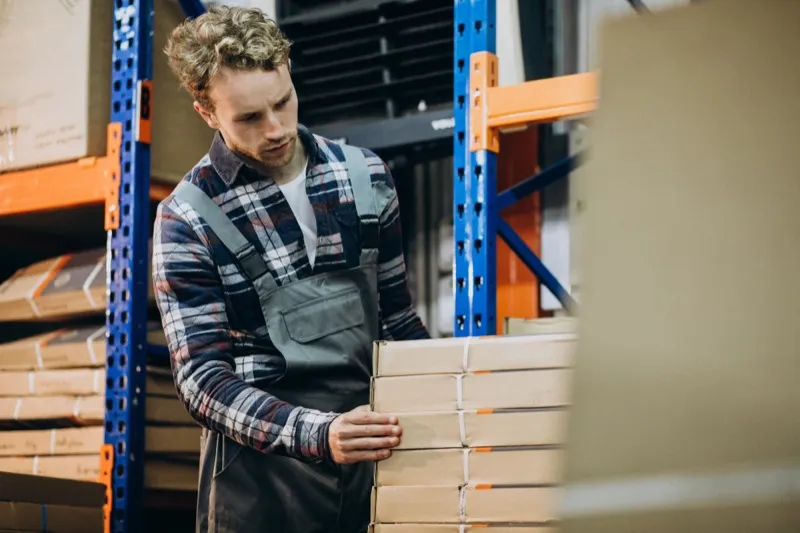
Grouping construction site materials by type, size, or frequency of use helps streamline operations. Common categorisation methods include:
-
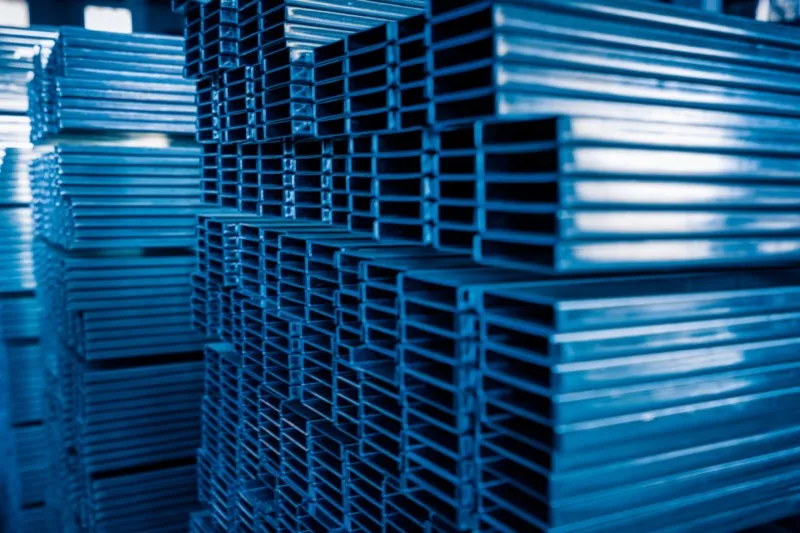
- By Material Type – Segregating construction raw materials like wood, steel, concrete, and plumbing fixtures prevents cross-contamination and damage.
- By Usage Frequency – Keeping frequently used materials near loading/unloading zones saves time and reduces unnecessary movement.
- By Project Phase – Storing storage materials based on when they’ll be used helps avoid clutter and confusion at job sites.
Space Optimisation for Maximum Efficiency
Limited storage space is a common challenge, especially on active construction sites. Optimising the storage of material requires a mix of vertical and horizontal storage solutions:
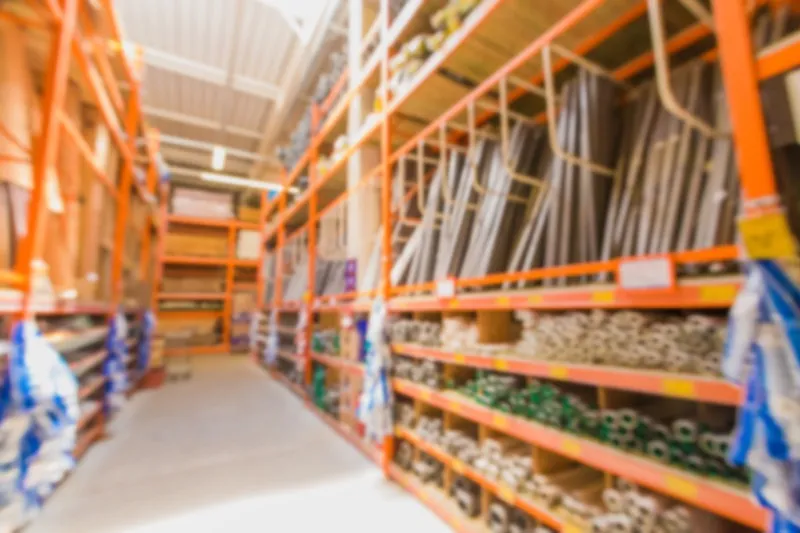
- Vertical Racking Systems – Utilising height in the storage of materials within the warehouse prevents overcrowding and maximises existing space.
- Stackable Storage Bins – These bins are ideal for holding smaller material, reducing spillage, and allowing for easier retrieval.
- Designated Zones – High-traffic zones are kept separate from long-term storage to avoid bottlenecks and enhance efficiency and safety.
Climate-Controlled and Weather-Protected Storage
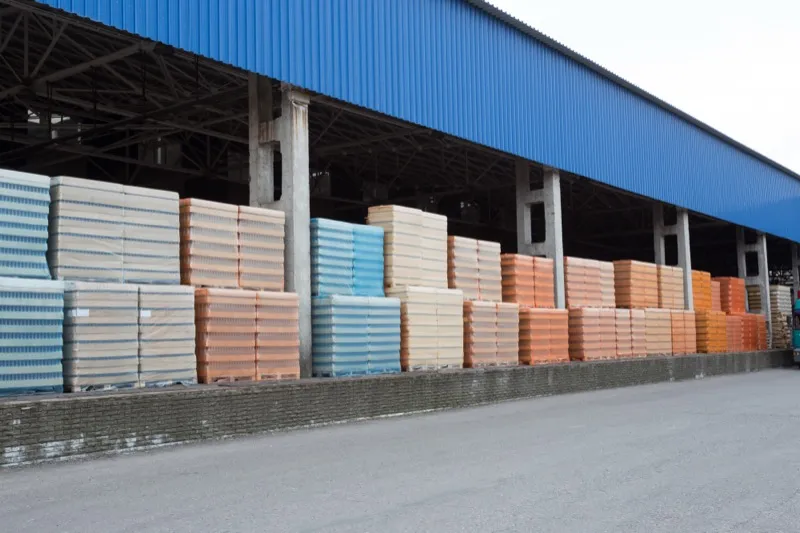
Certain building materials storage needs protection from environmental factors. When needed, drywall, insulation, and wood—moisture-sensitive materials—should be kept in enclosed locations or under climate control. Raised pallets, covered sheds, and weatherproof tarps assist in stopping material breakdown from temperature swings, humidity, or rain.
Safe and Efficient Material Handling
Proper handling of construction materials reduces the possibility of breakage injuries and ensures that material is moved smoothly. Some good points include:
- Utilising forklifts, cranes, or hoists for heavy loads helps reduce worker strain fatigue.
- Keep hazardous materials stored separately to prevent contamination risks.
- Establishing distinct routes to enhance accessibility and reduce accidents.
Indeed, the integration of automated conveyors or pallet jacks within warehouses is yet another avenue through which material handling in construction can be optimised. This minimises manual effort and has a faster turnaround for logistics.
Implementing a Smart Tracking System
Sometimes, conventional methods of inventory management cause storage items to be lost or misplaced. Digital tracking systems improve real-time view over stock levels and movement by means of barcode scanning, RFID tagging, or cloud-based inventory software. These tools guarantee that every item is tracked for both project sites and warehouses of building materials, therefore lowering the possibility of over-ordering and downtime resulting from missing supplies.
Reducing Waste Through Better Material Handling
Minimising Deterioration and Damage
Materials that are either improperly stored or improperly handled tend to degrade. In order to minimise waste, storage managers of contractors and builders' merchants need to develop strategies that protect supplies for the duration of the project:
- Proper Storage Environment – Materials such as cement, timber, and insulation can be moisture-absorbing and subsequently weaken and/or become contaminated. Keeping these materials in dry and well-ventilated areas puts a stop to the proliferation of mold and subsequent structural damage.
- Palletised and Elevated Storage – Keeping construction raw materials off the ground on pallets minimises dirt, water, and pest exposure.
- Rotation System – By adopting the FIFO (first in, first out) system, older materials on-site are preferred to be used before being stocked with new purchases, thereby avoiding spoilage.
- Protective Covers – Weatherproof tarpaulins and shrink wraps keep materials dry while shielding them from corrosive dust and UV rays that will degrade their integrity.
Sustainable Construction Material Handling Methods
The majority of contemporary construction works prioritise sustainability, while improved methods of material handling will help reduce environmental costs. Some of the most important sustainable practices are:
- Modular and Prefabricated Storage Solutions – Prefabricated components reduce on-site waste by ensuring precise material requirements. Proper storage of these materials prevents warping or damage before installation.
- Recycling and Reuse of Building Materials – Salvaging and repurposing materials like steel, concrete, and timber from demolition sites minimises landfill waste. Designated areas in building materials storage facilities can help separate reusable materials from debris.
- On-Demand Delivery Models – Instead of overstocking, some contractors adopt just-in-time (JIT) delivery strategies to reduce excess inventory, lowering the risk of material degradation.
- Smart Inventory Management – Digital tracking solutions ensure materials are ordered only when needed, reducing surplus and preventing materials from sitting unused for too long.
- Energy-Efficient Storage and Transport – Optimising transport routes for warehouse construction materials reduces fuel consumption while using electric forklifts and automated handling systems lowers carbon footprints.