Asset management software gives you a clear view of what you own, how assets behave and allows you to extend your asset usage. As you get all the data you need to make effective and clear business decisions, you can extend the lifetime of your assets and get more use out of them day to day.
This is as logging and tracking your assets on asset management software allows you to track critical asset information, such as maintenance dates, deprecation data and location information.
Not only do you get an effective, automated fixed asset register out of it, but you also get a suite of helpful features that take your asset tracking to the next level.

How Does Asset Tracking Software Work?
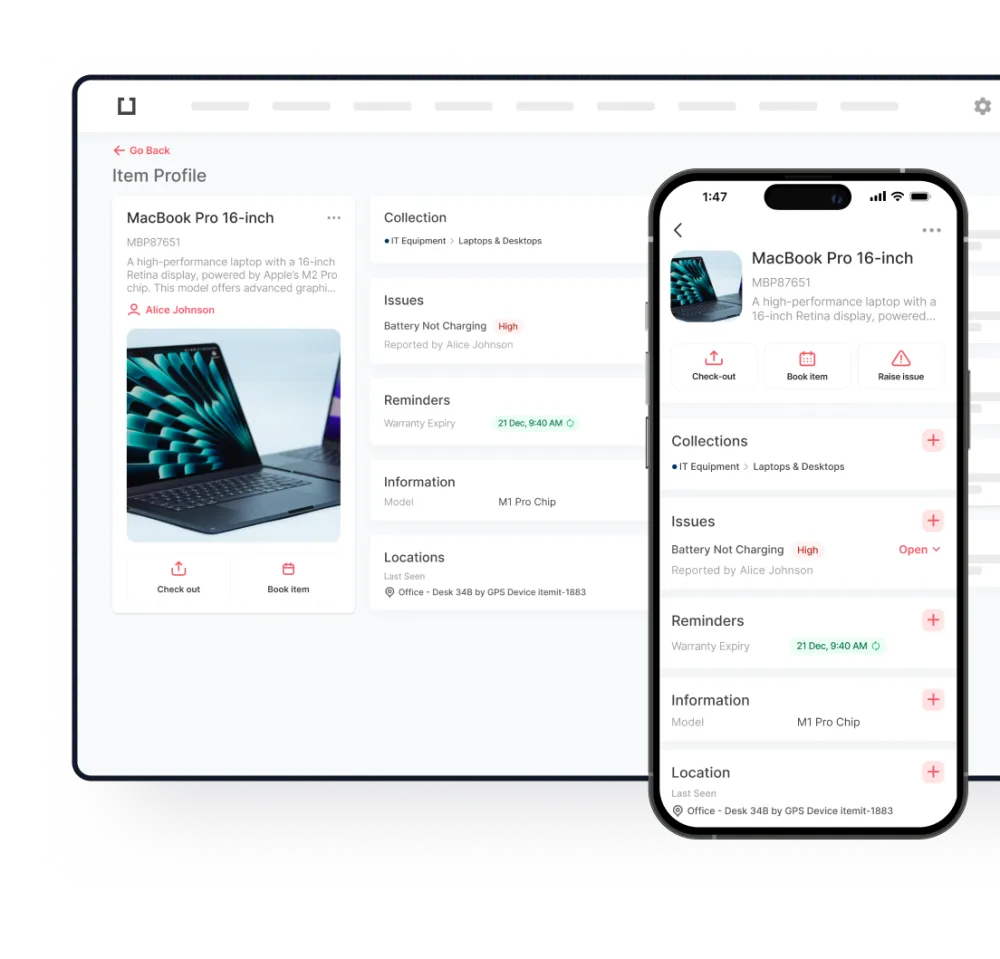
The core of asset tracking software is the ability to log your assets as unique, digital profiles. This way, you can add unique information against specific assets, rather than adding them as fields in a spreadsheet.
This gives you a cleaner view of your asset information, as it makes updating and using data much more simple and much, much faster.
All of the data you add is duplicated into a customisable report so that you can pinpoint critical specifics, such as which assets are due for a PAT test.
You can also use asset tags to speed things along further. Asset tags create a neat audit trail of your assets' last seen locations, as this updates on every scan. You can also scan an asset's tag to retrieve its asset profile, ready for you to add issues or update maintenance data, for example.
 Watch video