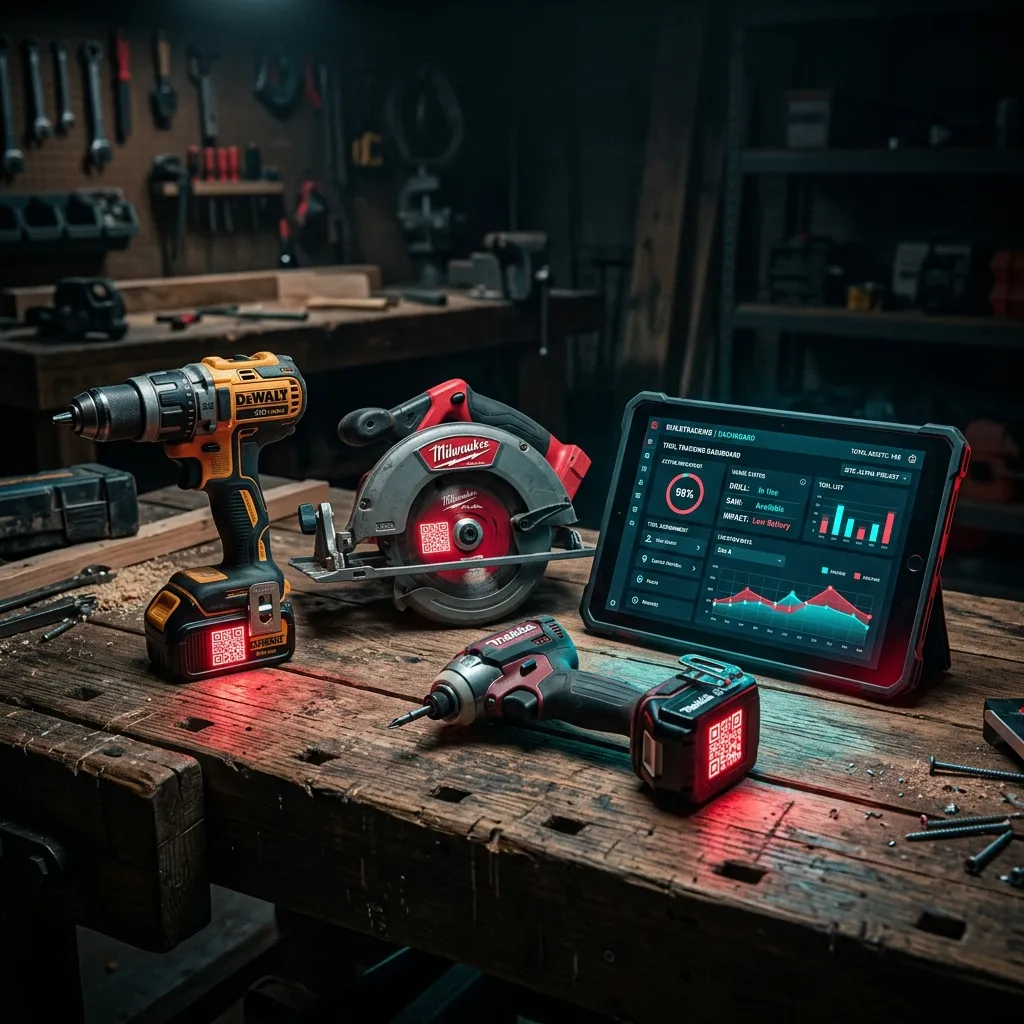
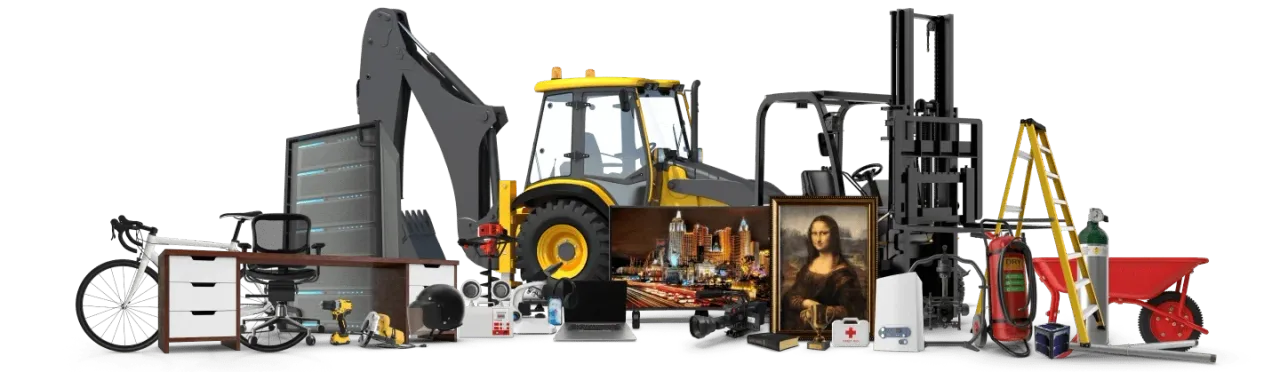
First things first, pretty much every organisation is tracking their assets. It’s not optional. Whether you are using paper records, excel or have some other manual method of keeping on top of things. There are reasons for this beyond the simple fact that you need to know what you own for accounting purposes. Your assets are essential investments. They represent business decisions that are meant to facilitate you delivering your products and services.
Like any investment, your assets need to yield a return to be worthwhile. Asset tracking is always an attempt to increase profit. So, you need to know to what extent (if any) this is being achieved.
That’s what asset tracking software is designed to do, make sure that you are getting the most out of your investment.
Before we go into how this is done, let’s look at a couple of the alternatives to asset tracking software.
Manual Asset Tracking
If you aren’t using an asset tracking software, then there is some sort of manual tracking going on!
Spreadsheets
This is the go to for small businesses starting out. And it works ok for a business starting out. A simple list of all assets with columns for entering whatever data you find useful: date of purchase, value, maintenance dates, insurance information or anything else.
That’s one of the appealing things about using spreadsheets in general, you get a blank canvas on which you can create your own system of doing things. That, and you do not need to invest in additional software. All you need is a Google account or Office 365 subscription. Also, most professionals have at least a basic understanding of how spreadsheets work, so it should be straightforward (in theory) for multiple people to work out of a sheet without a complicated handover.
If you have access to a VBA coder, then you can go beyond rows and columns and achieve some basic automation. You could, for example, set up some relatively crude notifications to let you know when an item is due for maintenance. Or if you're using an online tool, you may be able to use add-ons to get some additional functionality.
Of course, this pretty much cancels out the cost benefit of avoiding a software investment. Creating custom code takes time and advanced add-ons aren’t free. Then there is the time it takes to manage and develop sheets when they have a load of additional functionality.

Spreadsheets can do a lot, but they can’t do all those things well. They are not specialised, so it takes a lot of work and maintenance to get to a solution and you are always going to hit a ceiling. Particularly when you get into the world of IoT.
Even if you have an advanced excel user managing the sheet or sheets you are using to track assets, there is no getting away from the fact that a lot of manual data entry is needed for the spreadsheet to remain current and useful. If you have warehouses, or equipment out on the road, then a spreadsheet is never going to be able to tell you where your assets are or who has them.
That’s not to dismiss anyone using spreadsheets for asset tracking. It makes sense to limit expenditure when you are starting out and when you only have a few assets, investing in a software solution can feel like overkill. However, in the modern workplace, spreadsheets are not an optimal solution for anything other than the most simplistic of set ups.
Paper Files
An honourable mention for paper record keeping! It’s much easier to start a digitally smart business than digitally transform a business. For organisations that have been around a long time, the task of uploading all of the data to a new set of software solutions can feel daunting. To the point where it just doesn’t feel worth it.
Suffice to say, using paper files to track your assets is not the most efficient method. It would be really unusual to start a business that relies on paper records. There are so many tried and tested, out-the-box, affordable software solutions out there. But if you have a load of legacy data on paper, you will likely have a higher barrier of entry to get a digital solution in place. Having said that, you might be surprised by how quickly asset tracking software can yield a measurable ROI.
Asset Tracking Software: Explained
If you have been tracking assets a certain way for a long time, it can be hard to visualise just what a software solution can do for you. You like the idea of reducing admin, of increasing the value of your business and of delivering your product more efficiently. However, it’s hard to see just how asset tracking software can get you there.
When trying to picture this, it’s helpful to get a better understanding of the technology that supports asset tracking software.

Asset Tracking Methods
There are several powerful tracking methods that are essential to fully realising the potential of asset tracking software. This is where we start to see how a modern approach to asset tracking outstrips manual methods. Every organisation is different, but each one of them is using a mix of the below tracking methods.
QR Tracking
QR code asset management has become a part of our daily lives and the technology forms a major element of many organisation’s asset tracking systems. QR codes are made up of dots and black squares. These are unique patterns that represent sets of information.
You just add a simple tag to your asset and you can see where your assets are and gain insight into their state of repair and effectiveness.
After they are scanned, the information is transferred into a human readable state. In the case of asset tracking, the data is sent back to a central database that is accessible via asset tracking software.
RFID Tracking
RFID works by applying a tag to an asset that sends out a radio signal. This signal can be used to update information about the asset and to track the whereabouts of the asset. RFID is a tried and tested technology that gives you access to a fully automated asset tracking system that gives you real-time insight and control.
GPS Tracking
GPS stands for ‘Global Positioning System.’ GPS trackers are linked to satellites which send a signal that tell us the location of the object.
The business applications are endless. When it comes to asset tracking, GPS trackers are often installed in vehicles. So you can ensure that your fleet is operating at optimal efficiency.