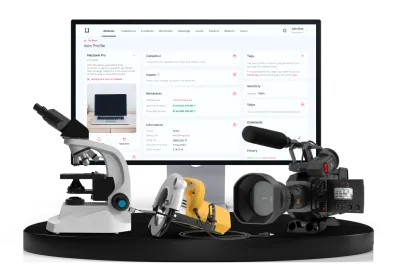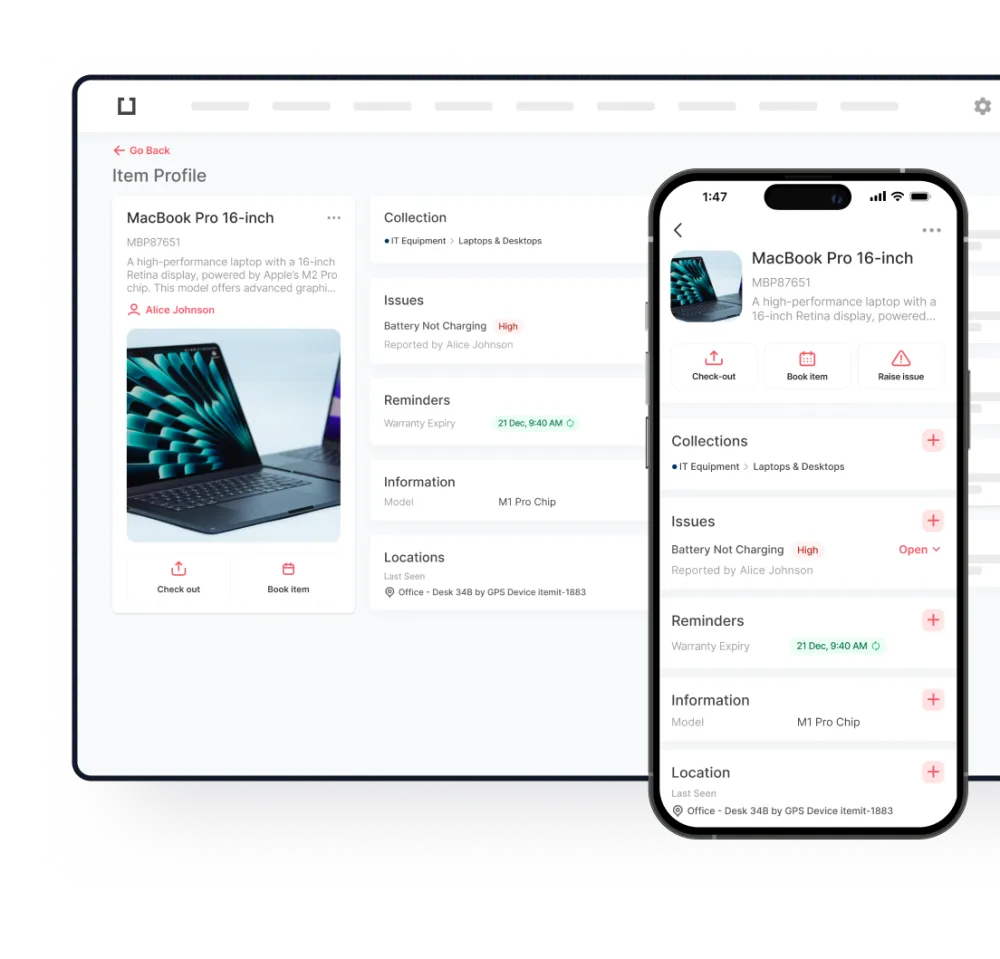
With fixed asset tagging, you'll be able to monitor your tools and equipment with a lot more clarity. How it works is by attaching physical fixed asset tags to your fixed assets so that you can link them to a digital profile.
In essence, you'll be able to scan these tags to retrieve an asset's profile, ready for any updates, changes, or edits you need to log on your fixed asset register.
So, why do you need fixed asset tagging?
Access to Fixed Asset Tracking Functionality
When you log and tag your assets, you'll be able to use a suite of fixed asset tracking features with ease.
As all it takes is the scan of an asset tag, either a QR code or barcode, you'll be able to change and monitor any number of things related to your assets.
To name a few things, asset tagging allows you to:
- Check equipment in and out
- View and update asset location
- Log, monitor, and control asset maintenance
- View who is using what
- Track assets individually or in bulk
Overall, you get an immense level of control and visibility over your fixed assets, allowing you to save time and cut costs.
Asset Location Tracking
Location tracking is simple when you've implemented asset tagging. As every scan of an asset's tag updates asset location and the user who scanned it, you're instantly one step closer to a full account of where assets have been and who has interacted with them.
This has wide-ranging possibilities and implementations. For example, if you're using fixed asset tagging for IT asset management, you'll be able to track the locations and status of any IT assets that are being used remotely.
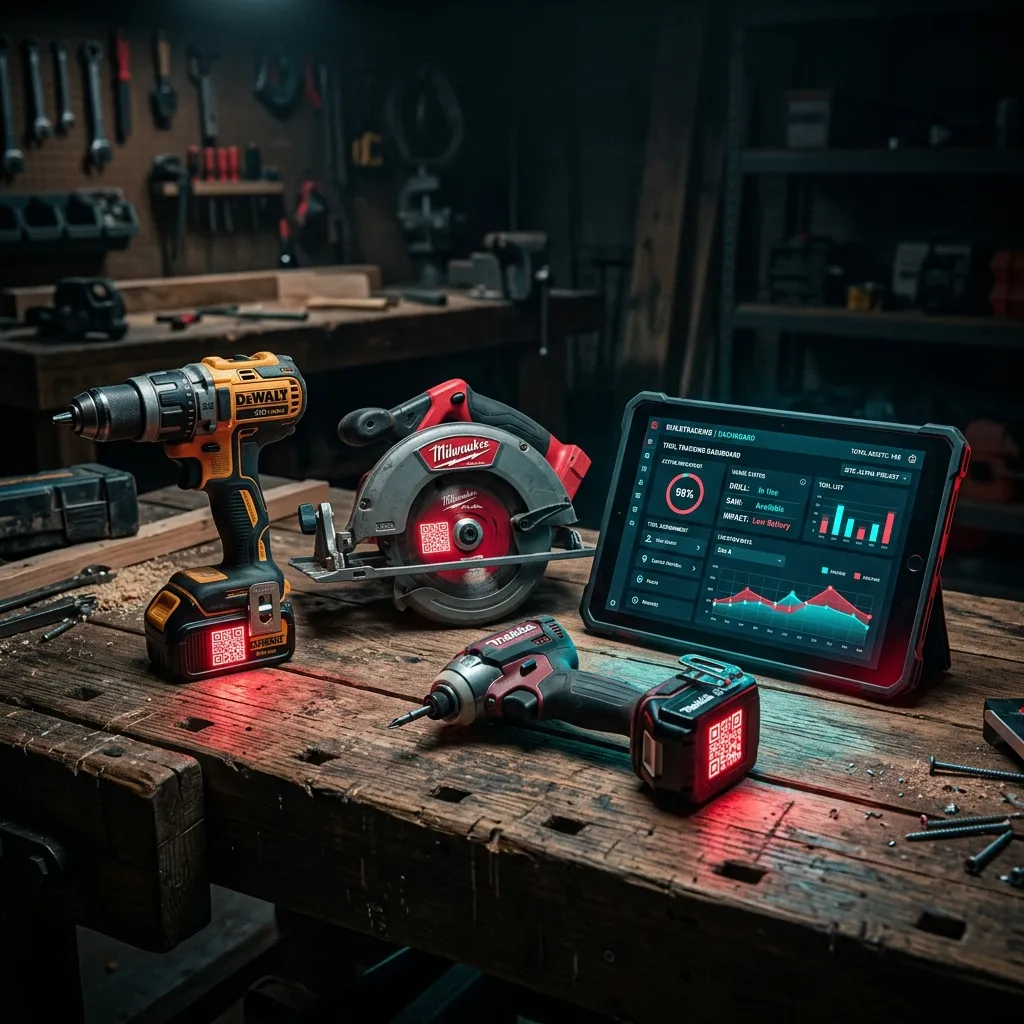
Alternatively, if you're using asset tracking for construction, you'll be able to track where all of your tools and equipment are. Thanks to this and a streamlined reporting feature, it only takes a moment to verify that assets have made it on-site and that they're being used.