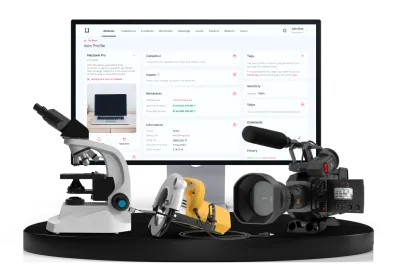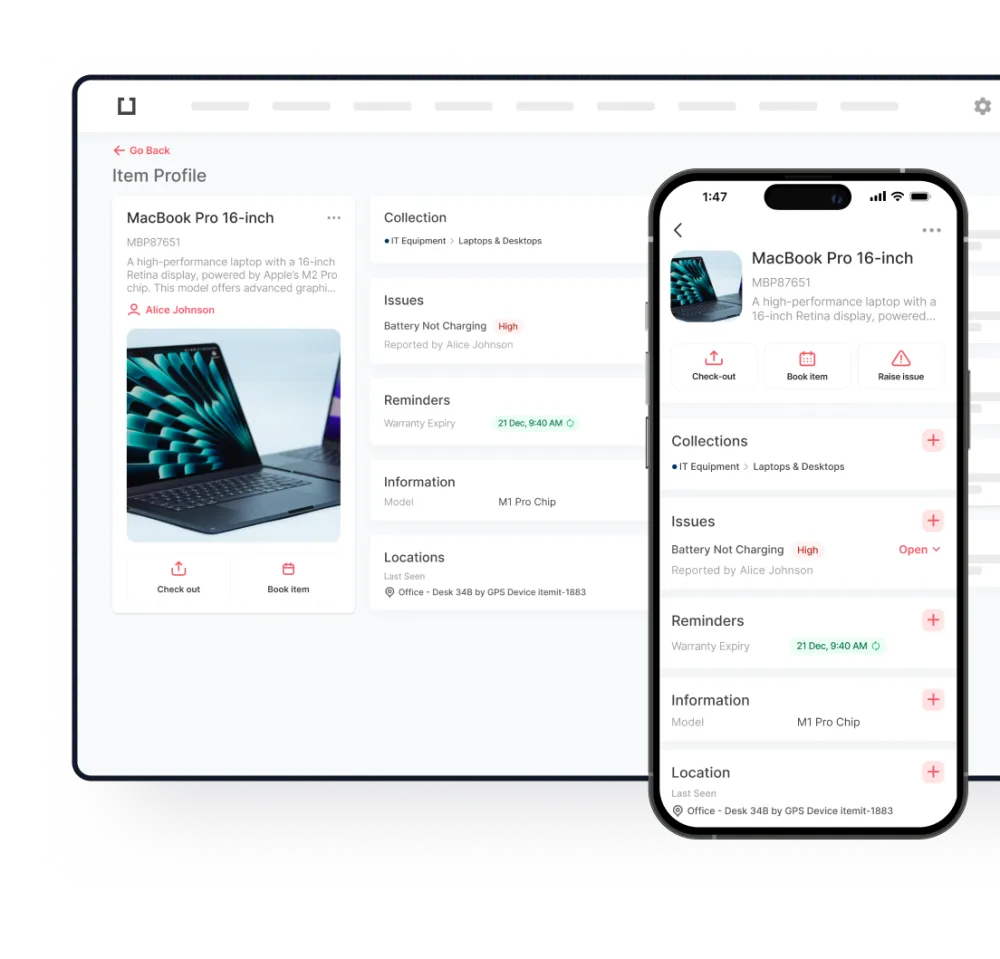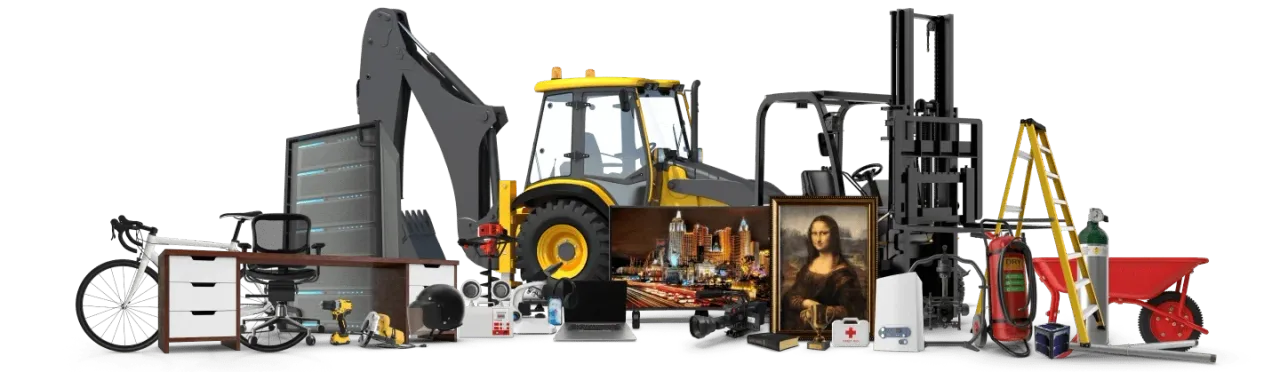
In recent years, asset management software has gained traction amongst large players within the business landscape. The ability to store data, and to present it in a form that is both simple and easy to understand makes it the ideal choice for many companies aiming to boost their productivity, reduce the presence of ghost assets and improve their decision making.
Whether you’re well-versed with asset management software, or if you’re just trying it out, the biggest – and arguably the most important – question that you'll face is: “Which asset management software is the best?”

Why Should You Track Your Assets?
Fixed assets play an important role in the business structure. Along with being used for the production of goods and services, fixed assets are often used to discern the position of a business in the market landscape. Scrutinising the trends depicted by the changing values of these assets makes it easier to take better business decisions while not losing sight of the business objectives.
What’s more, keeping a track of your fixed assets can help you identify the inconsistencies in the data. This is accomplished by highlighting abnormal values in the data present within the database.
Lastly, tracking your assets can come in handy in identifying the appreciation and depreciation of the assets themselves. Having all this data ready at your disposal will help you make the best possible decision for the sake of your company.
 Watch video
What is Asset Management Software?
Asset management software is a specialised software solution that consists of a database storing a list of all the fixed assets owned by a company. Popularly known as a fixed asset register, it holds all the important specific details regarding your fixed assets in one place, which helps improve efficiency and boost productivity.
Asset management software generally holds data such as the asset location, current valuation, depreciation details, and so forth.
Advantages of Asset Management Software
To understand what sets apart asset management software from more conventional means of asset management (pen and paper, spreadsheets), we must first understand the benefits of increasing automation in the business via fixed asset registers.
From lowering administrative costs and improving customer service to tracking asset maintenance, compared to conventional means of asset management, fixed asset registers come with a wide range of advantages over their predecessors.