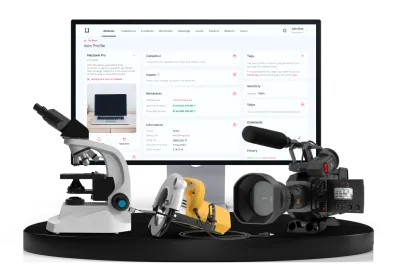
Every organisation relies on its assets for the smooth running of its operations. Asset management is the process of maximising assets to provide the best return on investment. With the use of asset management tools organisations can gain greater clarity and understanding about what their assets are delivering, their life cycles and how to position them across the business.
Why Is Asset Management Important?
Asset management allows organisations to keep track of all their assets. With it users can know where the assets are located, how they are used, and when changes were made to them. It is important for organisations to manage their assets effectively because without them, things can’t get done. The data from asset management solutions minimises asset downtime and supports decision making. Asset management allows an organisation to understand the capabilities of its assets, and how they can be utilised most effectively. Good asset management supports planning, resourcing, and can significantly reduce costs.
The Benefits of Asset Management
Manage assets from different locations
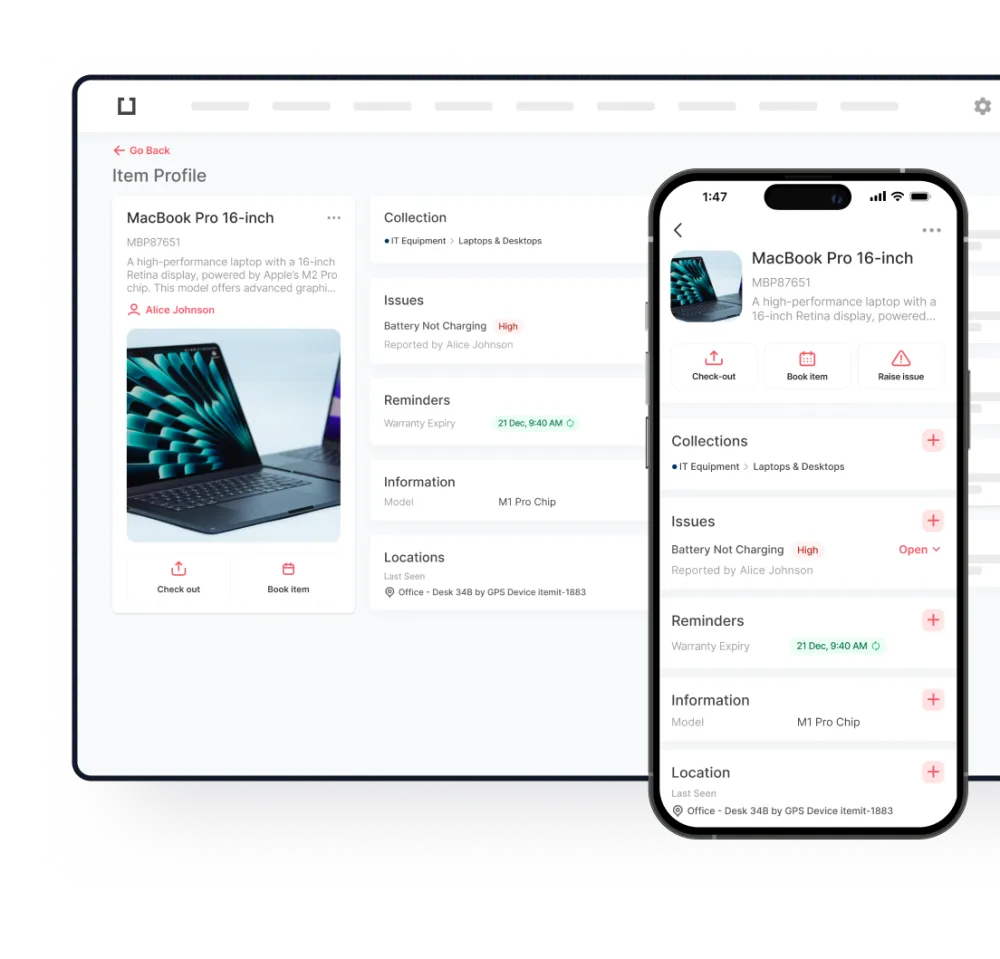
Asset management software provides a single online dashboard to view and manage assets from anywhere. Plus, itemit’s mobile application means you can access your asset data on-the-go. With this capability organisations can unlock new levels of control and visibility for you and your team, allowing for better planning, asset management and scheduling.
Financial clarity
With asset management software, organisations can easily create customisable reports for insurers or lease financiers at the click of a button. Organisations can generate administrative reports and gain an overview of potential issues or asset utilisation via actionable analytics. The automation powers of asset management software means businesses can continuously keep their records up-to-date. The improved data accuracy gives you and your team the confidence you need in your reports and auditing, which can aid in identifying misuse of funds and improve their financial forecasting.
Improved maintenance schedules
Organisations can save money on maintenance with good asset management. During the operational phase of an asset’s life cycle, it is important for organisations to keep up-to-date on asset maintenance. However, often organisations can be reluctant to do so. Maintenance is a business expense that can cut into profits. Overdoing it can bring significant costs. On the other hand, under-maintenance can lead to reduced productivity. Maintaining up-to-date records of assets helps to prevent asset downtime, which ultimately increases productivity and keeps costs down. Plus, users can set up maintenance schedules in advance and be notified when routine repairs are due.