Managing computer inventory is not always as easy as it seems. These days, if you want to manage your inventory correctly you need to use reliable PC inventory software. This software replaces old and often insecure and error-ridden methods such as notebooks and spreadsheets.
Let’s then take a look at the best way for you to manage your computer inventory in 2023.
Add Your Assets To Your PC Inventory Software
Ideally, you have already found some PC inventory software that you think will work well. Software such as this should make it easy for you to add your assets. You can add as many assets as you wish. However, it’s advisable to add all of your PC-related equipment if possible.
Did you know that you can group some or all of your PC assets, should you wish to? This can help with locating where assets are usually stored, for example. As soon as you have added your PC assets to the software, it’s time to add more information.

Include As Much Information About Each Asset As Possible
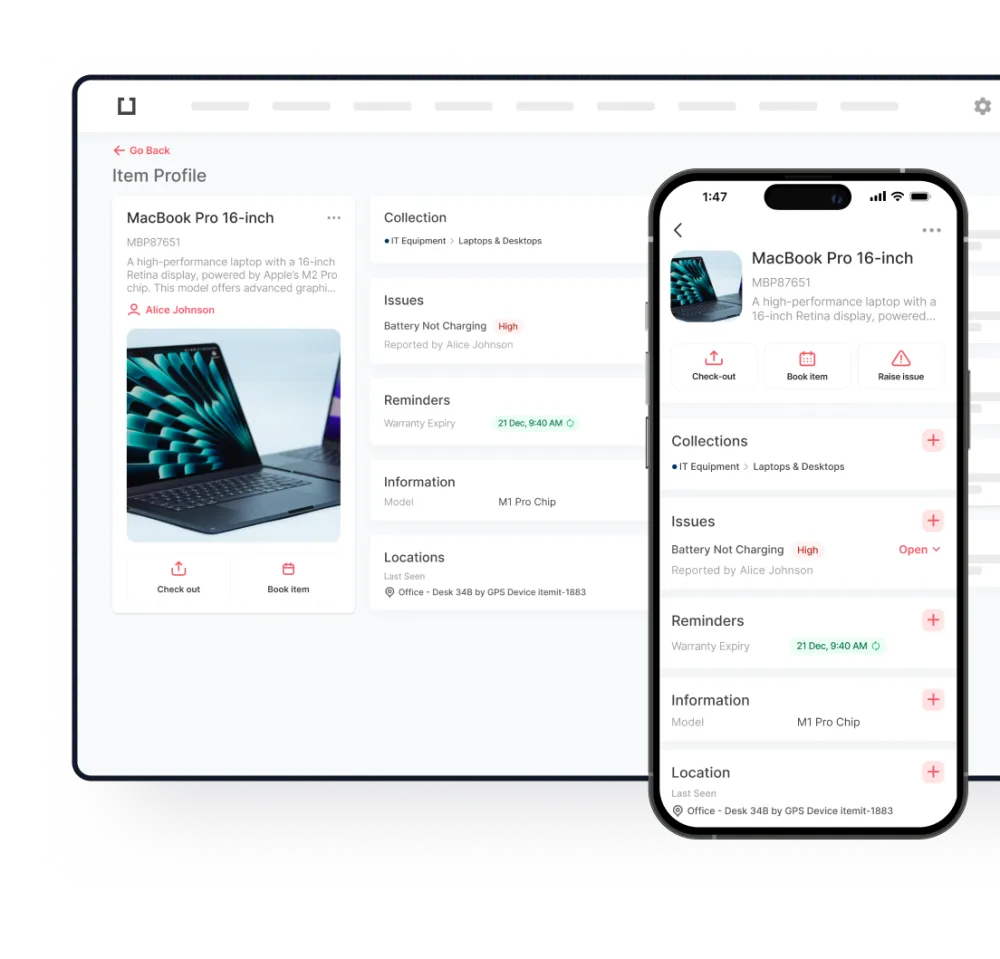
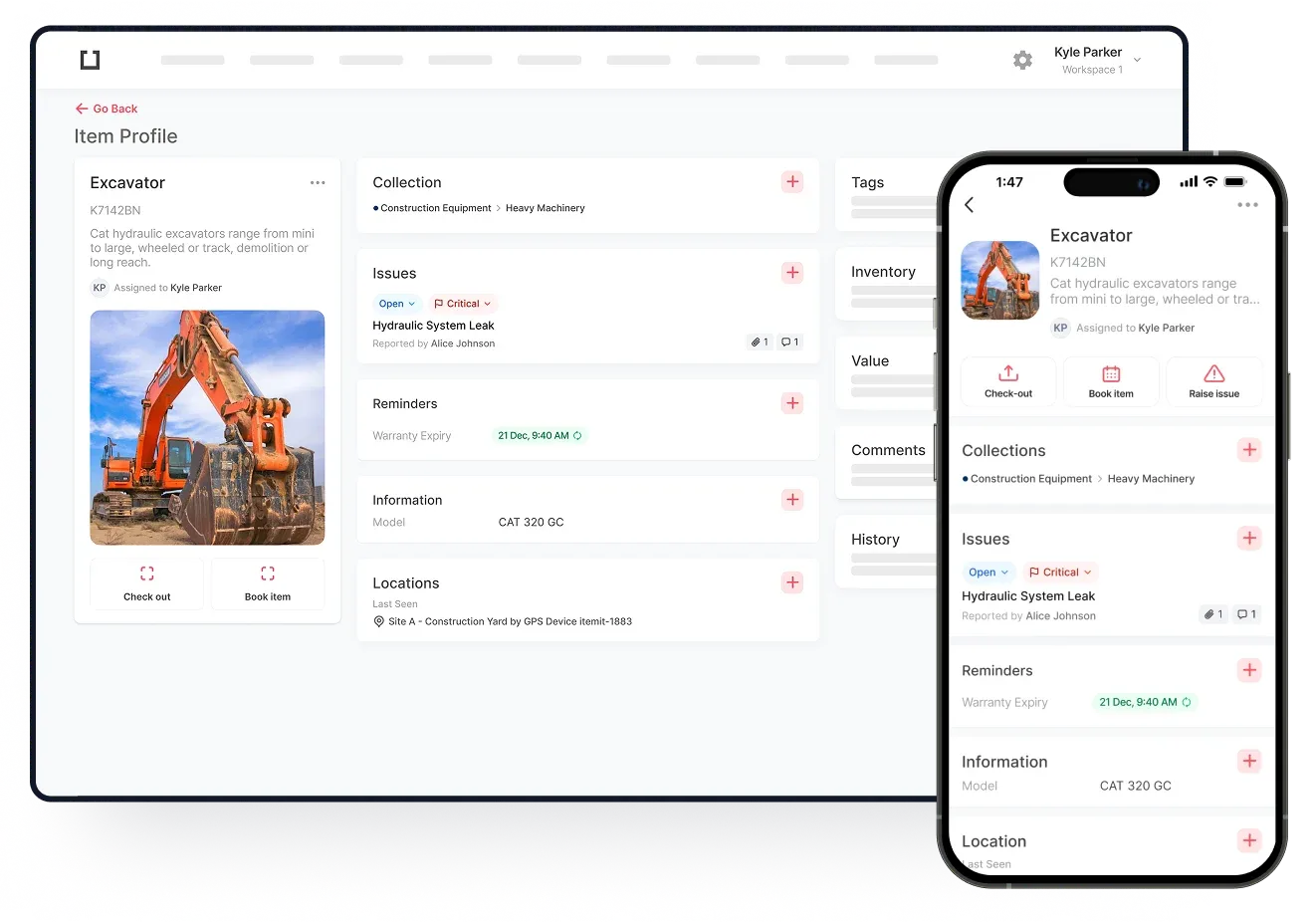
Some people like to add each asset to their inventory before they add information about each one. Others like to add the details as they go. Regardless of which method you choose, you could add some or all of the following information about each asset:
- The name, model, and manufacturer
- Year of purchase
- Insurance and warranty information
- Date of software licence renewal
- A photograph of the asset
- The maintenance schedule
- Notes about the asset
- The estimated value of the asset
- A link to the online instruction manual
- And anything else you wish to add
When you add the above information to each asset’s digital profile you make things easier for your future self. For example, if you wanted to check the insurance information it’s easier to log into the inventory software and locate the details rather than trying to find them elsewhere.