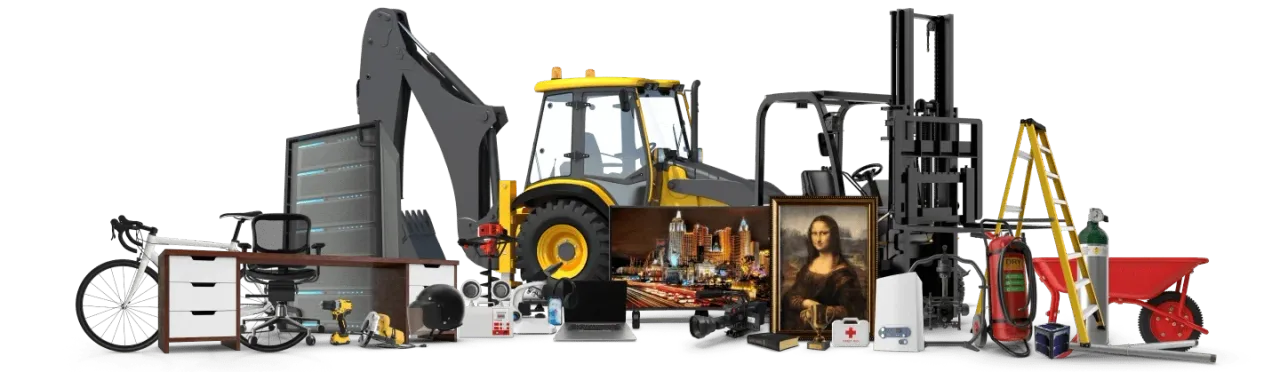
Business owners and managers will undoubtedly be aware of the importance of correct asset management. QR Code Asset Tags can be highly beneficial in terms of asset management, perhaps in more ways than is thought possible.
QR Code Asset Tags that have been attached to the assets in question can provide more than just location detection. Below, you will find some examples of how assets can be managed with itemit’s QR Code Asset Tags.

Fixed Asset Management
There are many aspects that can be tracked/monitored:
- Cost and current value
- The asset’s remaining life
- Warranty details
- Subscription details
- Owner
- Current and previous user
- Maintenance schedule
- Insurance information
- Barcode
- Location in the factory/office etc
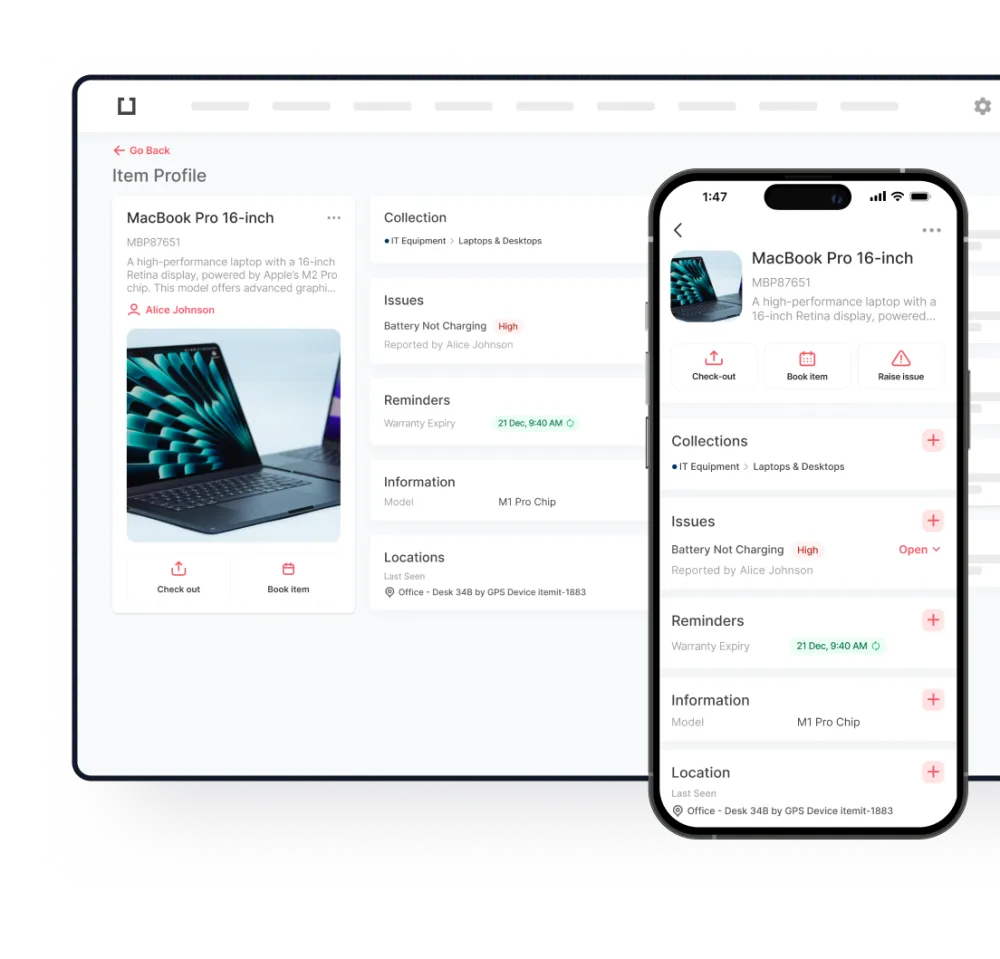
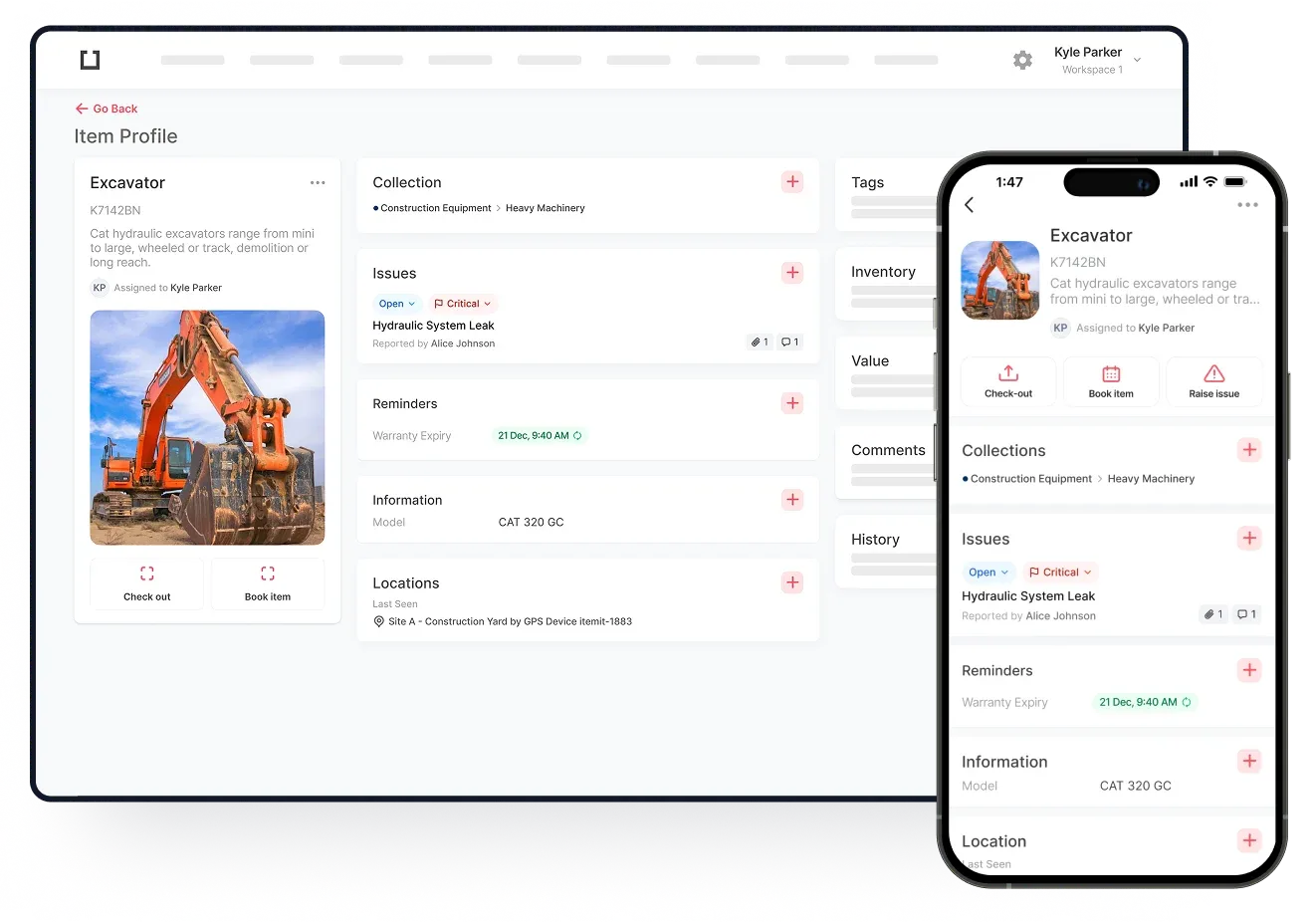
When QR Code Asset Tags are added to fixed assets, users can input all of the above details, should they wish to. All of the above information can eliminate the need for users to keep stacks of paperwork in their offices. Photographs of the warranty document, for example, can be taken and uploaded to itemit’s system. Users can still keep the warranty documents, should they wish to. However, the required information will be easier to find as it will be uploaded to the tracking system.
Checking Tools In And Out
Tools can be checked in and out easily. Using itemit’s QR Code Asset Tags ensures that managers and business owners know exactly who has the tool in question. Details about why the tool is being used can be added in addition to the condition of the tool. Additionally, users can suggest how long they may need the tool for. This allows others to ‘book’ the tool in question should they need it when the current user has finished with it.
The process of checking tools in and out can help to reduce incidences of tools going missing.
Tracking Is Possible Everywhere
QR Code Asset Tags allow data to be sent everywhere. Users can log in from their computer, phone, or tablet wherever they are. What this essentially means is that those who do not have a fixed working location can always have access.
The system is flexible enough to allow users to log in as and when they please. This allows work to be carried out when it is required, rather than when the user is at the office.