If you run a business you will need to use the most efficient software possible. You need to know that with minimal effort, you can get the results you need. The same can be said when using an IT asset register. You need an asset register that you can rely on that also gives you the solutions your business desires.
Below, you will find a few hints and tips that can help you to maintain your IT asset register with minimal effort.
Know What The Asset Is
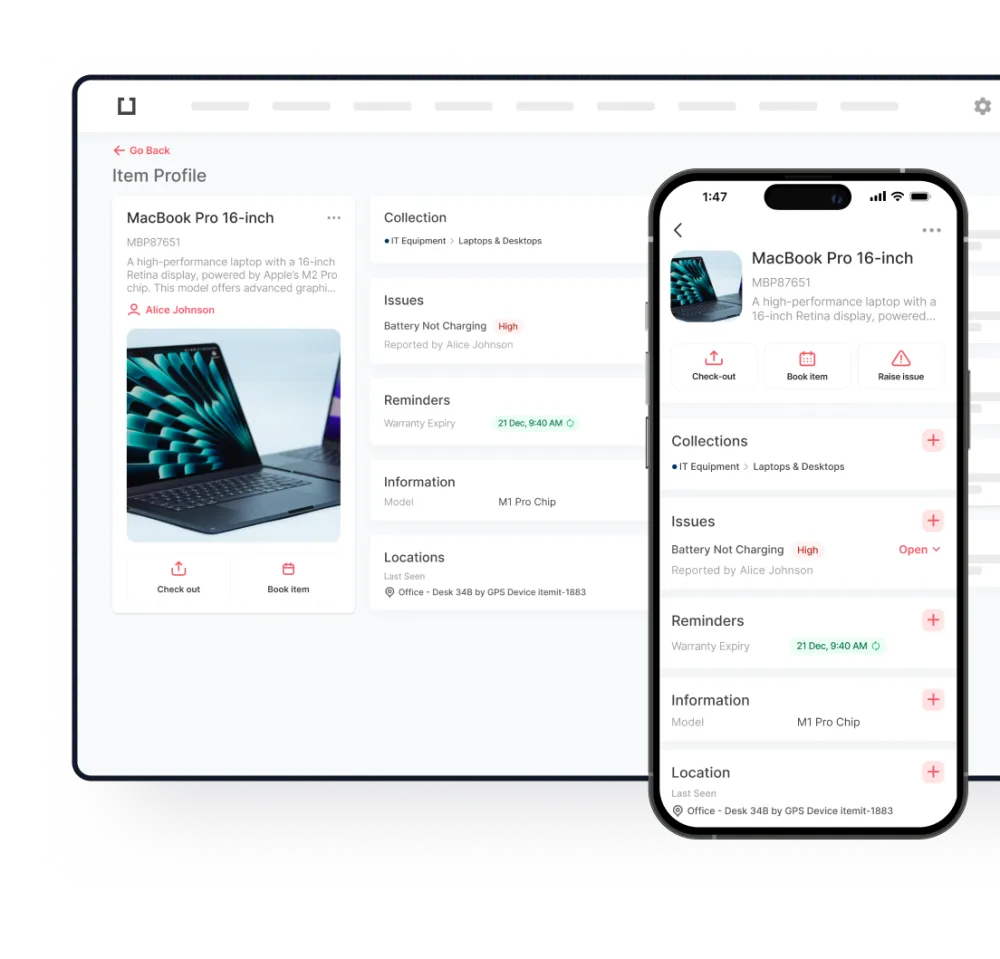
Before you can even think about maintaining your asset register you need to know what each asset is. You can achieve this by uploading the details of your assets to your IT asset register. For example, you can include the following information about each asset:
- Its name
- Its date of purchase
- The asset’s warranty and insurance details
- The asset’s estimated value
- The asset’s estimated life span
- And so much more
When you input as many details about each asset as possible you can easily maintain the asset register. This is because you have access to all of the information that you need about your assets. For example, if you wish to know who the insurance provider is, you can take a look in the asset’s digital profile.
You can also add new information as and when you need to. This ensures that you always have the information to hand when you need it. This feature can save you a lot of time whenever you need to understand a little more about each asset. You can log into your chosen software and click on the information that you need. This is just one of the many benefits of having an asset register.

Understand The Asset’s Location
Maintaining your IT asset register can be very easy if you know where your assets are at all times. If you can track the location of your assets it allows you to see whether they are all in the correct location. Not only can this be very convenient but it can also help to improve the security surrounding each of your assets.
Many businesses harness the power of asset tracking software that uses QR codes and RFID tags. It’s these codes and tags that help users to understand the location of their assets. When attached to the assets, the codes and tags make it possible to see exactly where their IT assets are. This can prove to be very useful if you have many assets in a range of locations.