Asset tracking software has developed greatly in the past couple of years. There are still many exciting avenues that these systems will take, promising more automation, better technologies, and cleaner asset management operations.
Asset tracking software as it is provides a robust way to manage, monitor, and create asset operations, giving you the most accountability possible over your day to day processes. However, the future of asset tracking is bright, creating more scalability, automation, and shareability in your business and worldwide.

The History Of Asset Tracking
Asset tracking has always been a necessary process. The earliest known asset register dates back to ancient Egyptian time and this is because the need has never changed.
Fundamentally, any business needs to know what it owns, how much it cost to purchase, and how much it costs to operate. Using a fixed asset register fills in the gaps, here, and these have been around for centuries.
To create accurate projections and log your net and gross profits, knowing your assets inside and out is a necessity and always has been. This is why in the digital age, spreadsheets were created to house asset data.
These plastered over a few issues but created unnecessary inefficiencies. To log all of your asset data on a spreadsheet, each asset needs a row and each bit of data, whether serial number, booking info, or pricing details needs a row.
Quickly, it became clear that this method was inefficient and unwieldy, hence the birth of asset tracking software.
Asset Tracking Hardware And Technologies
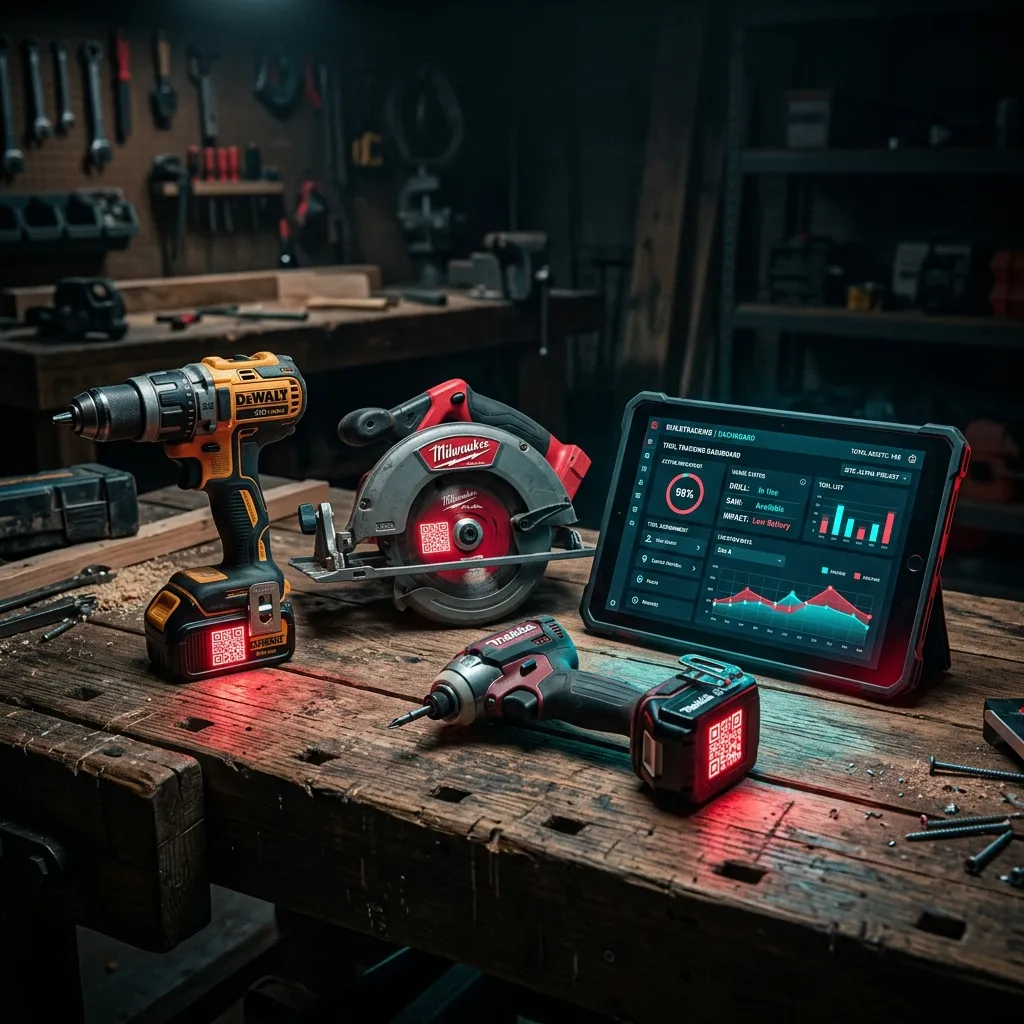
Asset tracking software was initially built to correspond with barcodes and QR code asset tags. This asset tracking hardware contains unique information that allows you to link unique assets to their tags.
In other words, if you scan a laptop's tag, that laptop will appear in your asset tracking software. This also created the possibility of last seen location tracking.
 Watch video
The future, therefore, is adding more, affordable, and more efficient asset tracking hardware capabilities. Currently, GPS asset trackers have a great use for fleet management, but the technology hasn't caught up with the needs for small tool asset management. So, GPS trackers will be smaller in future and still maintain a long, effective battery life.
Fixed RFID readers are also developing greatly. While these create a totally automated way to track your asset's locations, currently this is only traceable in a 2D space. So, you can track if assets enter or leave a room automatically, but in the future you'll be able to track in a 3D space, meaning you'll be able to see where boxes are stacked in a warehouse. The technology for this already exists, but can be a blocker to smaller businesses due to lengthy set-up times and consultation.
This is why itemit is committed to bringing the future of fixed RFID asset tracking closer, giving you an affordable, off-the-shelf package with all the benefits of the technology that's already out there.