Things have moved on since the days of keeping track of your assets with a clipboard and pen or even with Excel spreadsheets. More and more businesses are ditching these time-consuming manual processes for the automation power of asset tracking software. Whether the asset is physical or digital, asset tracking software can track its behaviour, movement and status, providing your business with the information it needs to make better decisions and thrive.

What Is Asset Tracking Software?
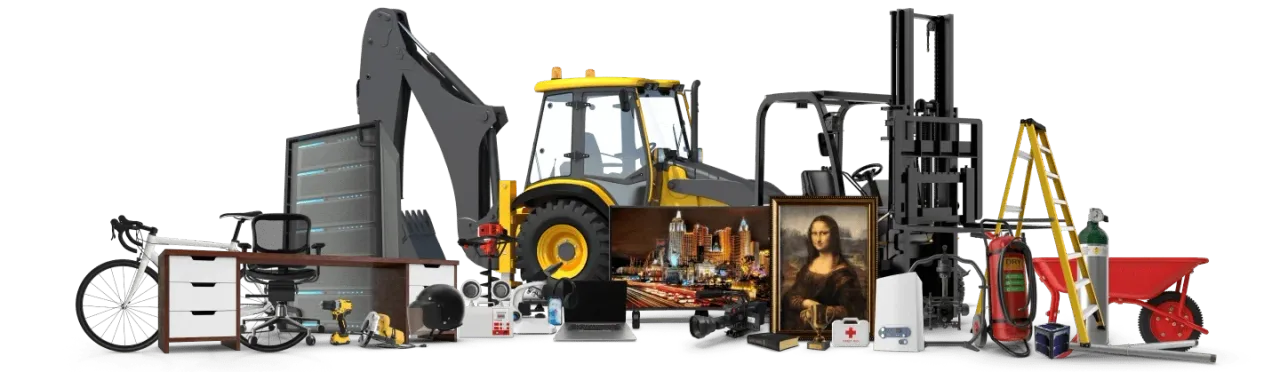
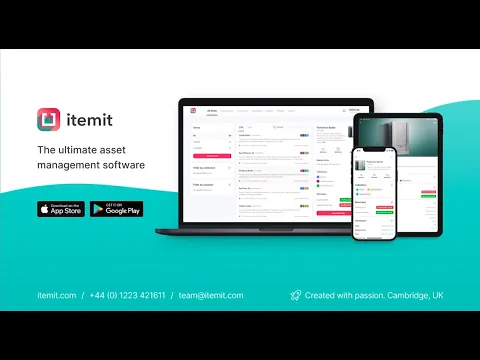
Asset tracking software is an all-encompassing, centralised system that allows users to track important details about their assets in real time. Almost anything, physical or not, can be considered an asset, from software and hardware to tables and chairs. The goal of asset tracking is to manage the inventory, asset life cycles, and total costs.
 Watch video
Why Use Asset Tracking Software?
From reducing errors to impressive reporting capabilities, there are countless ways asset tracking software can improve and transform the way you do business. With the ability to automate many routine and mundane tasks, asset tracking can give you back the time and money you need to invest elsewhere in your business.
Improved Life Cycle Management
Asset tracking tracks the life cycle of assets and can notify users when maintenance is due. This ensures assets are in good working order and can also be used to assess the depreciation of them. Using itemit’s asset tracking software you can set monthly, bi-monthly, quarterly or annual maintenance schedules or use your own schedules to make sure all assets are being looked after. This results in fewer unexpected problems and the foresight to make routine maintenance fit around your schedule. Maintenance reminders can help to improve the longevity of assets by reducing the need for replacements and lowering the risk of depreciation.
 Watch video
A Shared Record of Assets
A major benefit of asset tracking is that users can manage their entire inventory of assets from one place, simplifying what can potentially be a messy archive of information. With asset tracking users can track, manage, and control inventory all from a single dashboard, maintaining consistency between multidisciplinary teams throughout a business or organisation. Plus, not only does asset tracking software tell you where your assets are and how they are behaving but also provides a digitised record of their history.
Automated Asset Management
Asset tracking software offers automated solutions that can greatly speed up mundane and repetitive tasks. As advanced as spreadsheets have become they are still largely a manual process, meaning they are highly error prone and not ideal for long-term data storage. They also don’t guard data integrity and offer little to no protection from data corruption. Less manual work means fewer errors, greater accuracy and speedier operations. With asset tracking, the location of an asset is automatically updated every time the asset is scanned. This improved efficiency means businesses can be confident that their asset records are accurate and up-to-date.
Increased Accountability
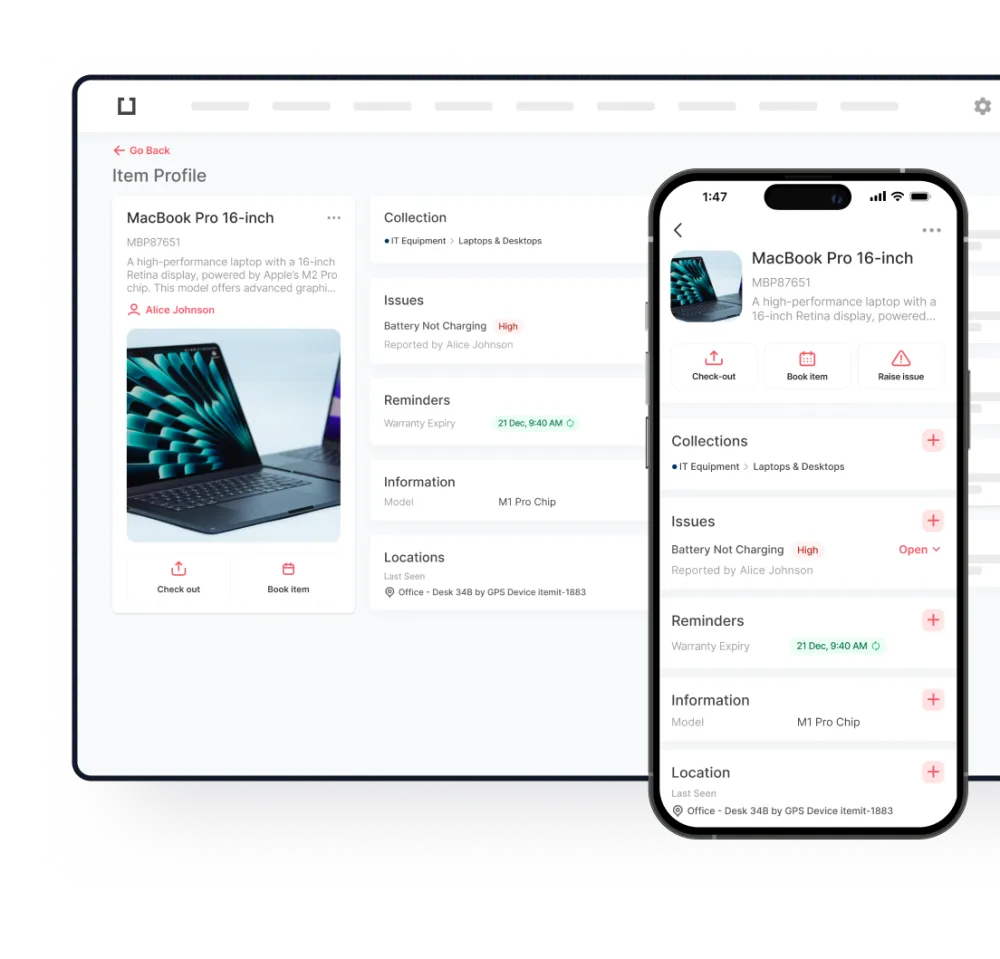
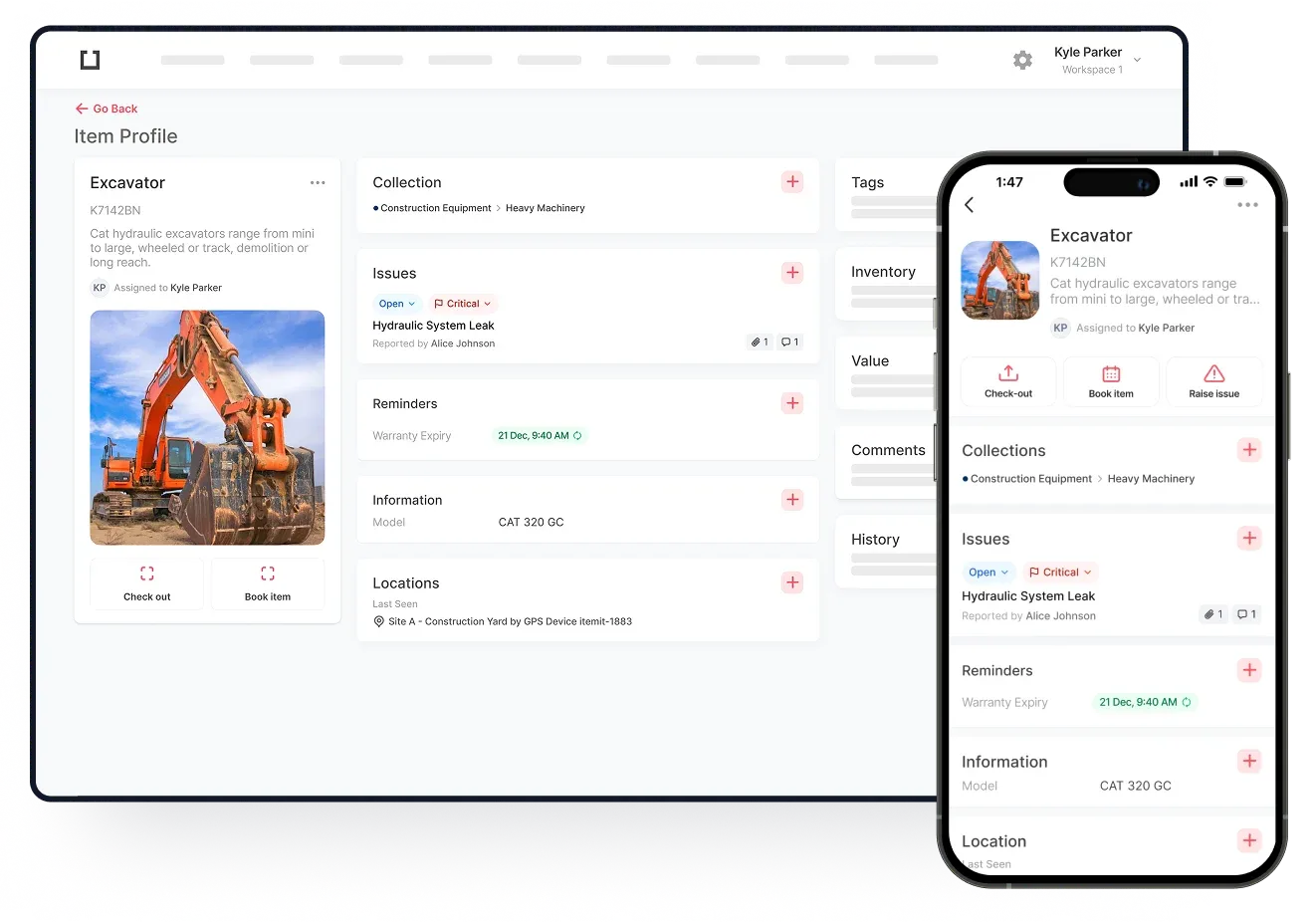
Asset tracking software offers greater visibility over assets resulting in greater control. You can also add all kinds of information to each asset’s digital profile such as relevant documentation, user manuals and assigned personnel that can be immediately retrieved upon scanning its tag.. This establishes accountability and minimises the risk of loss, theft or unauthorised usage. With itemit’s check-in and check-out functionality you can ensure your assets are where they need to be and with the right people. When your team checks a piece of equipment in or out the asset manager is automatically notified.
Speedier Reports and Auditing
There is often a limited budget for purchasing additional equipment, meaning they need to make the most of what they already have. The maintenance of this budget depends on accurate auditing. Asset tracking can alleviate some of the burden of cost management and optimise the utilisation of assets. Using asset tracking, businesses can identify misuse of funds, make more informed decisions, improve their financial forecasting and, at the click of a button, generate a customisable report.