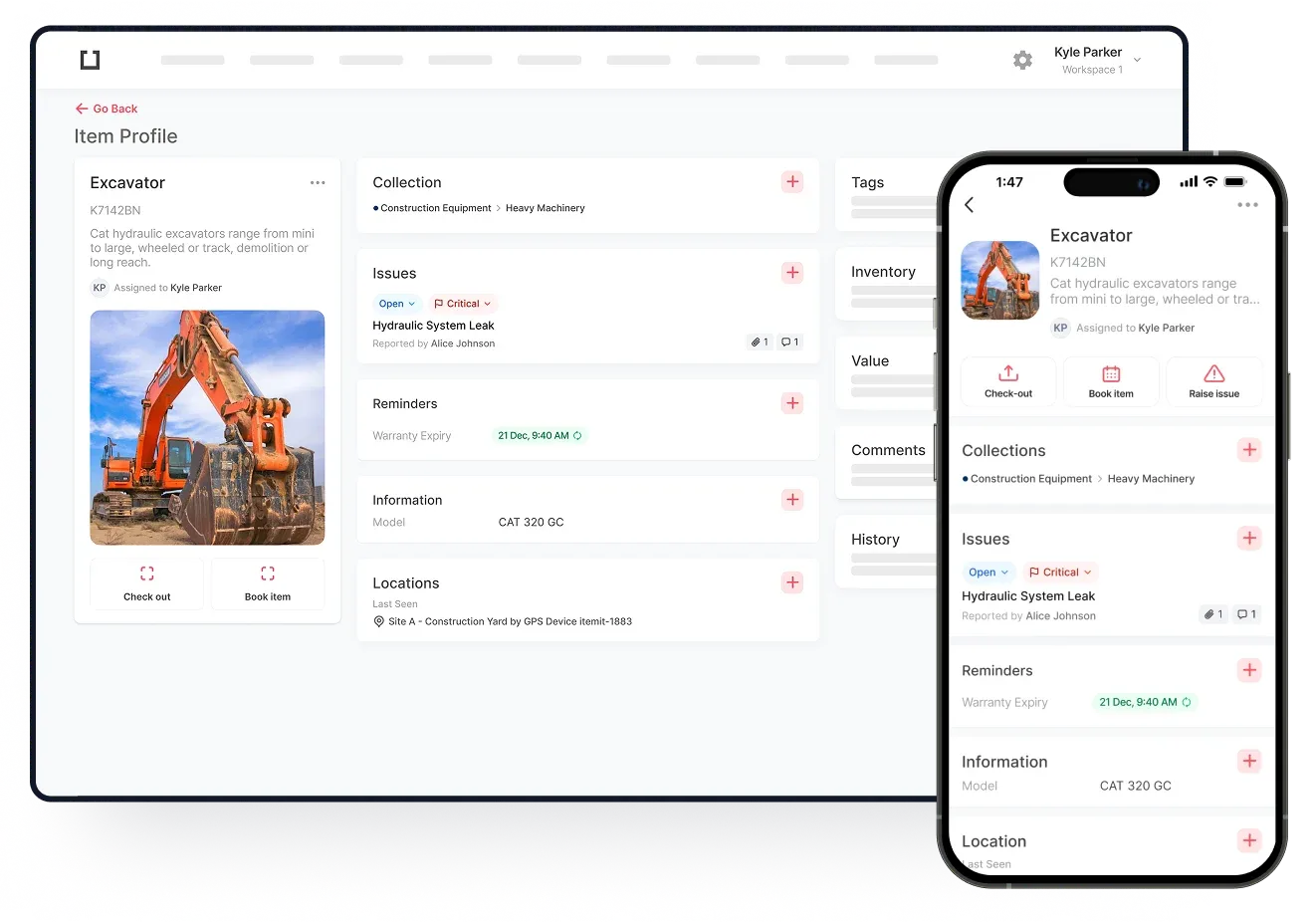
Keeping a business running smoothly often boils down to one thing: knowing how to assign your resources effectively. But what is resource scheduling, exactly? At its core, it’s the practice of allocating your people, tools, and time to get tasks done efficiently. Sounds simple, right?
In reality, it’s anything but. Without the right system, schedules can clash, resources sit idle, and projects miss deadlines. That’s where resource scheduling software becomes indispensable. It’s not just a planner—it’s a smart solution that organises workloads, maximises resource use, and eliminates costly inefficiencies.
Now, let’s dive into five specific challenges that resource scheduling software tackles head-on.

What is Resource Scheduling?
Resource scheduling is the organised process of planning and allocating resources—such as personnel, equipment, or physical spaces—across tasks or projects to ensure smooth and efficient operations. It’s about ensuring that every resource is used effectively, avoiding overuse or underuse, and keeping projects on track.
In a business setting, resources can take many forms:
-
Human resources: Employees with specific skills and availability.
-
Physical assets: Tools, machinery, vehicles, or technology required for tasks.
-
Spaces and facilities: Offices, meeting rooms, or warehouses that need to be booked and utilised effectively.
By systematically assigning these resources to activities, resource scheduling creates a roadmap that minimises downtime and ensures that nothing is left idle.
Key Aspects of Resource Scheduling
To fully understand resource scheduling, it helps to break it down into its essential components:
1. Understanding Resource Availability
Scheduling starts with knowing what you have. This means identifying how many team members are available, the status of your equipment, or the capacity of your workspaces. It’s not just about listing resources; it’s about understanding their limitations, maintenance needs, or potential conflicts in availability.
2. Matching Resources to Needs
Resource scheduling ensures that the right resource is matched to the right task. For example, a highly skilled technician is assigned to a complex task, while general tasks are handled by less specialised team members. Similarly, a particular tool or machine is scheduled only for tasks it’s designed to handle.
3. Balancing Workloads
Effective resource scheduling ensures an even distribution of workloads. For instance, team members with expertise are engaged in tasks that match their skills, avoiding both burnout and underutilisation.
4. Adapting to Changes
Projects rarely go exactly as planned and you must have asset tracking solutions for those situations. Delays, unexpected absences, or equipment breakdowns are common. Effective resource scheduling isn’t static—it adapts to changes, reallocating resources to prevent disruptions and keep work moving forward.
5. Optimising Time and Efficiency
By planning ahead, resource scheduling minimises idle time and ensures each resource is fully utilised when needed. This prevents bottlenecks, allowing projects to stay on track and within deadlines.
The Importance of Resource Scheduling
Resource scheduling plays a vital role in maintaining productivity and meeting deadlines. Businesses that excel at scheduling can:
-
Deliver projects faster and with greater accuracy.
-
Reduce unnecessary costs caused by inefficiencies or missed opportunities.
-
Keep employees and equipment running at their best without burnout or wear and tear.
Without a clear plan for managing resources, businesses face chaos: double bookings, missed deadlines, and wasted opportunities. Proper resource scheduling ensures operations stay on track, no matter how complex the tasks at hand.
Common Challenges in Resource Management
Managing resources isn’t always as straightforward as it seems. Without the right systems in place, businesses often stumble into some common pitfalls that disrupt workflows and waste time. Let’s break them down:
1. Overlapping Bookings
Ever had two teams show up needing the same meeting room or piece of equipment? Overlapping bookings are frustrating and can derail productivity. Without a clear plan, resources get double-booked, leading to delays and wasted time while teams scramble for alternatives.
2. Inefficient Resource Allocation
Imagine assigning a senior specialist to a simple task while leaving a junior employee idle. Effective resource allocation ensures that each team member’s expertise is matched to the task, improving efficiency and reducing costs.
3. Scheduling Conflicts
Manually managing schedules often results in conflicts, such as people booked on overlapping tasks or essential tools unavailable when needed. These conflicts slow down projects and create unnecessary stress.
The Consequences of Poor Resource Management
When resource management issues add up, they can destabilise your business. Here are some common consequences:
-
Underutilised assets and personnel: Valuable resources often sit idle when they could be making progress on tasks.
-
Missed opportunities: Inefficiencies make it harder to take on new projects or meet client deadlines.
-
Increased stress and burnout: Employees juggling conflicting tasks experience unnecessary pressure, reducing morale and productivity.
-
Higher operational costs: Last-minute problem-solving, rescheduling, and idle time increase expenses and reduce profitability.