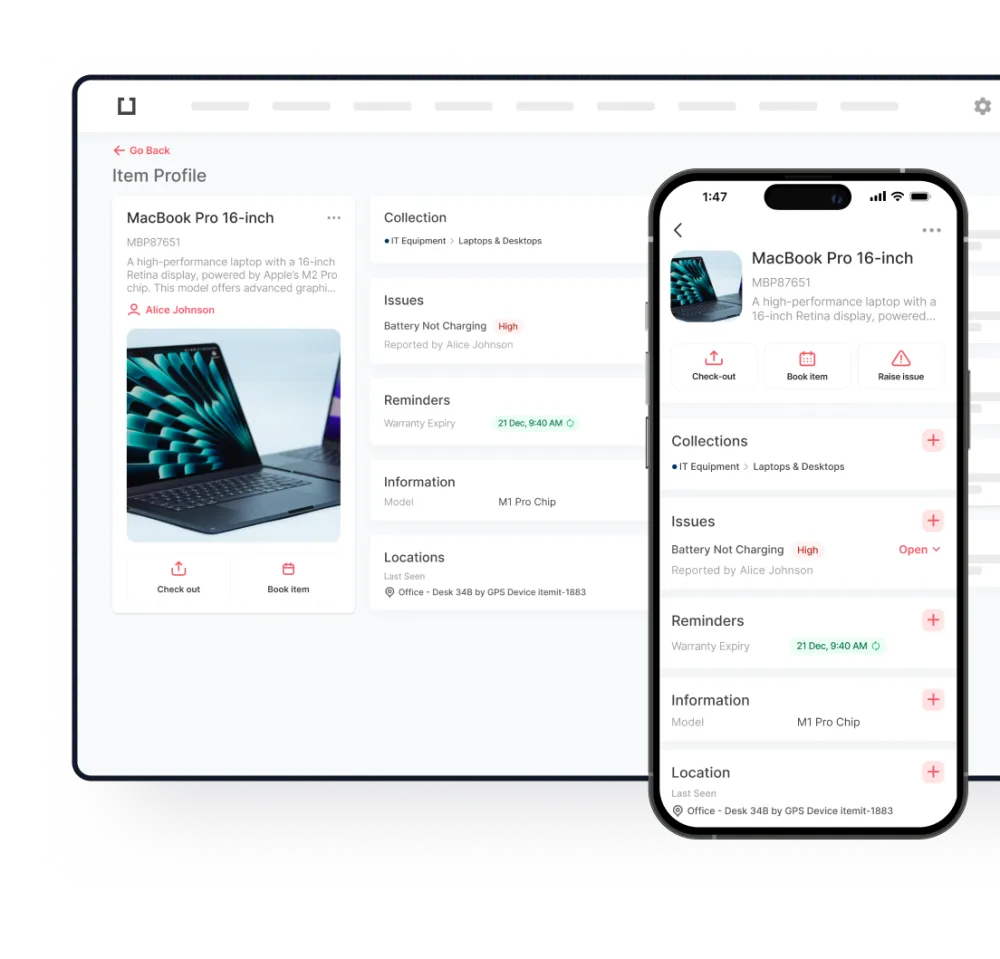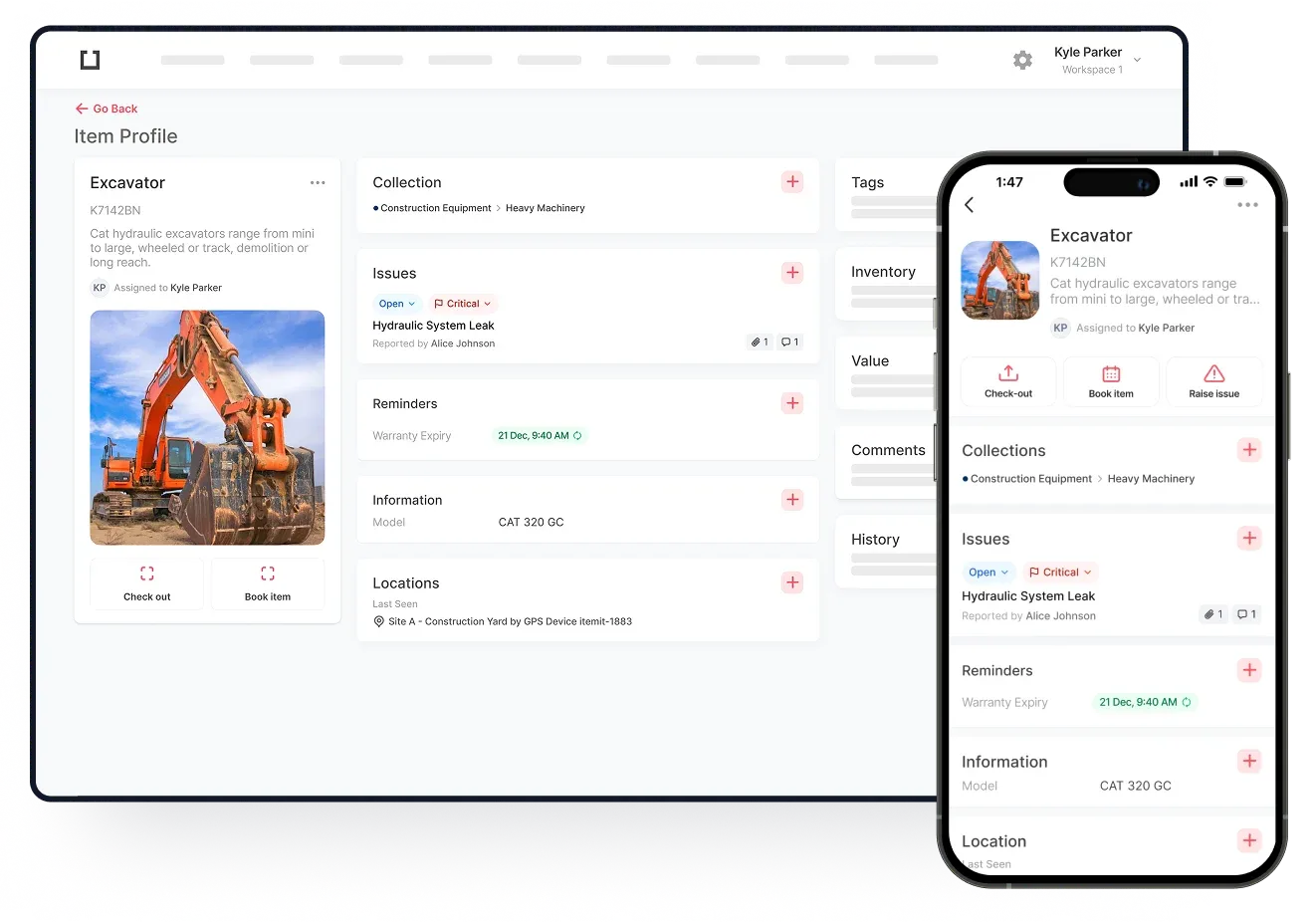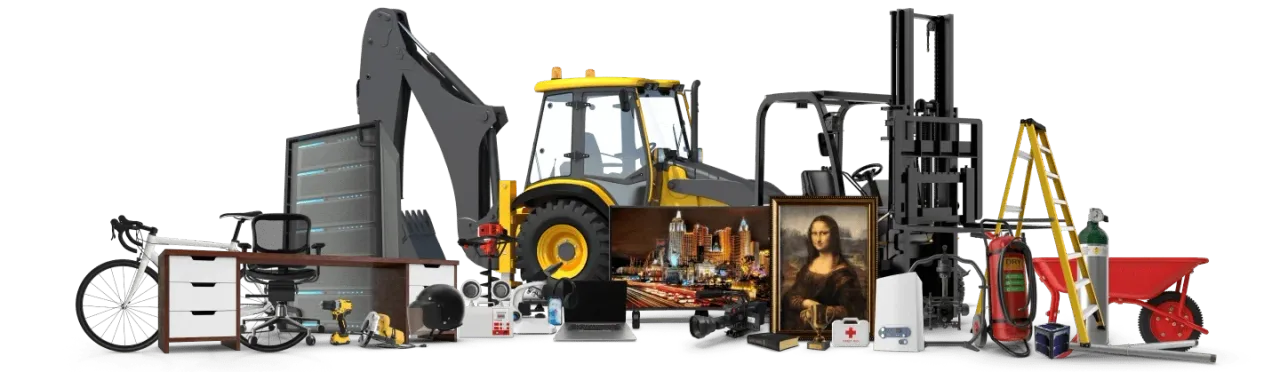
Tracking fixed assets doesn't have to be complicated. Using the right asset tracking and management software can make fixed asset tracking a breeze.
From purchase to decommission, itemit can help you keep a better eye on things.
What is a fixed asset?
A fixed asset refers to something a company owns that creates revenue and generates income.
Fixed assets can, therefore, range from tools and equipment to IT assets.
Usually, when speaking about fixed assets, it'll be about long-term, tangible pieces of property owned by a company. These pieces of properly most commonly generate income for a business, which is why this is usually the case.
When it comes to tracking a tangible asset's life-cycle, however, it doesn't matter if it has a long life, like a vehicle, or a short life, like a laptop: fixed asset management will still help you keep better control over the effectiveness of your business' assets.
Why do I need to track my fixed assets?
Many, many reasons come into why a company will need to track their fixed assets. They can all be summed up succinctly with two words, though.
Time and Money.
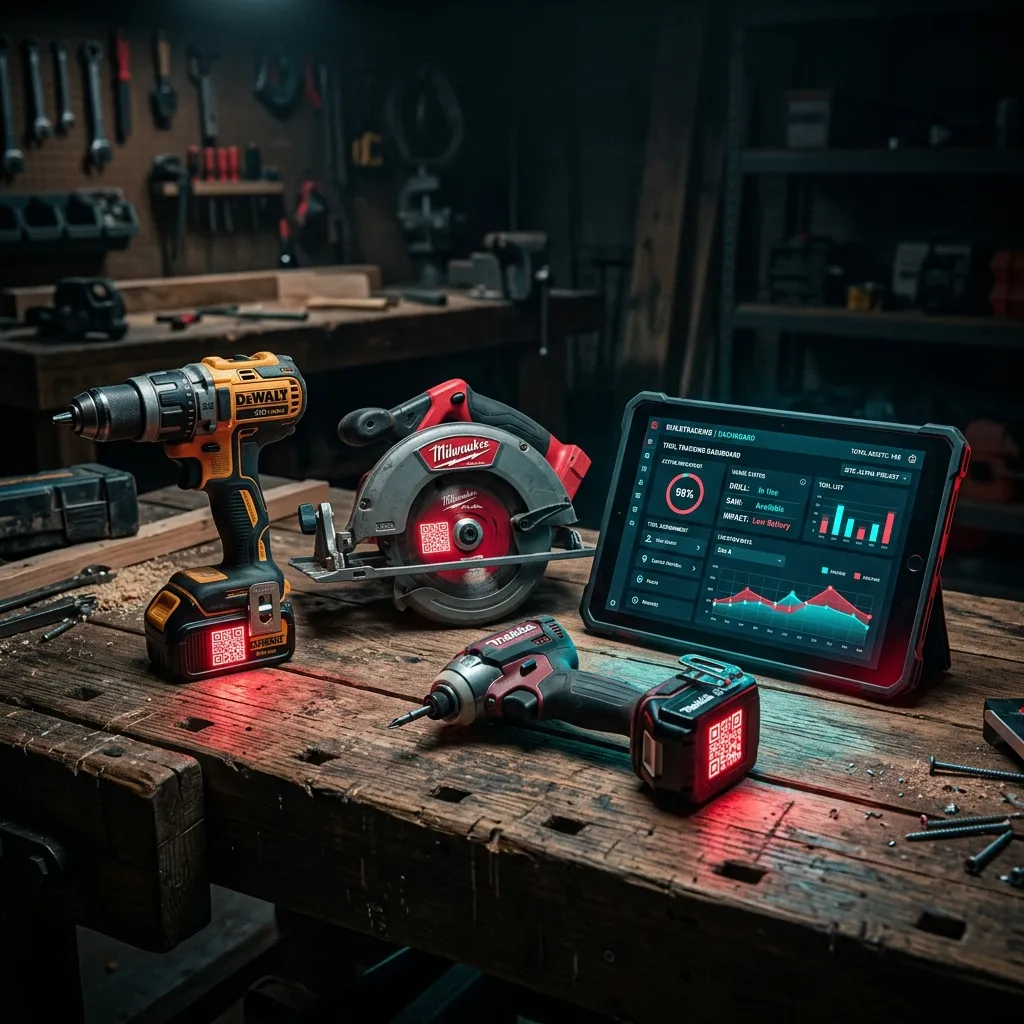
Asset tracking, in general, can save you several hours a month. Using QR codes or RFID tags to track your assets better means that you'll know exactly where they've been and who has had them.
Not only does this create a more significant amount of accountability that will minimise loss, but it also means collection teams know exactly where they need to go. Speed is great when it comes to both customer service and the efficiency your company runs at, but it also means petrol prices remain low.
Tracking your assets also allows you to save a lot of money. Knowing financial information such as warranty dates, minimising risks of ghost assets or zombie assets, and tracking when routine maintenance is needed has thousands of benefits. We'll only name a few:
- More accurate profit projections
- More accountable workforce
- All company tax reliefs attained
- Guaranteed compliance for GDPR and any health and safety regulations
- Less asset downtime
- More efficient fixed assets
- More time saved
- Effective audit trail
- Less likely to lose assets or purchase duplicates
- Guaranteed ROI due to this money saved and the increase in profits