Education has seen an influx of emerging technologies in the last decade. SmartBoards, tablets, e-readers, touch-pads, VR headsets and digital pads are now common features of a modern classroom. There are many educators and school administrators out there who will tell you that, although this technology adds a lot of value to the learning experience, they represent huge investment which puts a strain on budgets.
Add this to the essential assets that any school needs- computers, textbooks, vending machines and art & technology equipment- and you begin to see just how important assets are to the process of education. Maintaining, tracking and protecting assets has never been more essential for schools. When it comes to high-value assets, there is no room for human error. That’s where a digital school asset register can make all the difference.

Asset Tracking in Education
The number of fixed assets that any one school has can run into the 1000s. Keeping on top of even 100 assets is a mammoth task which is prone to human error and puts pressure on the administrative team. However, it is now cost-effective for schools to use bespoke asset management software that can take the risk and headache out of the process.
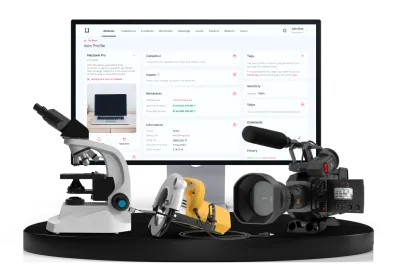
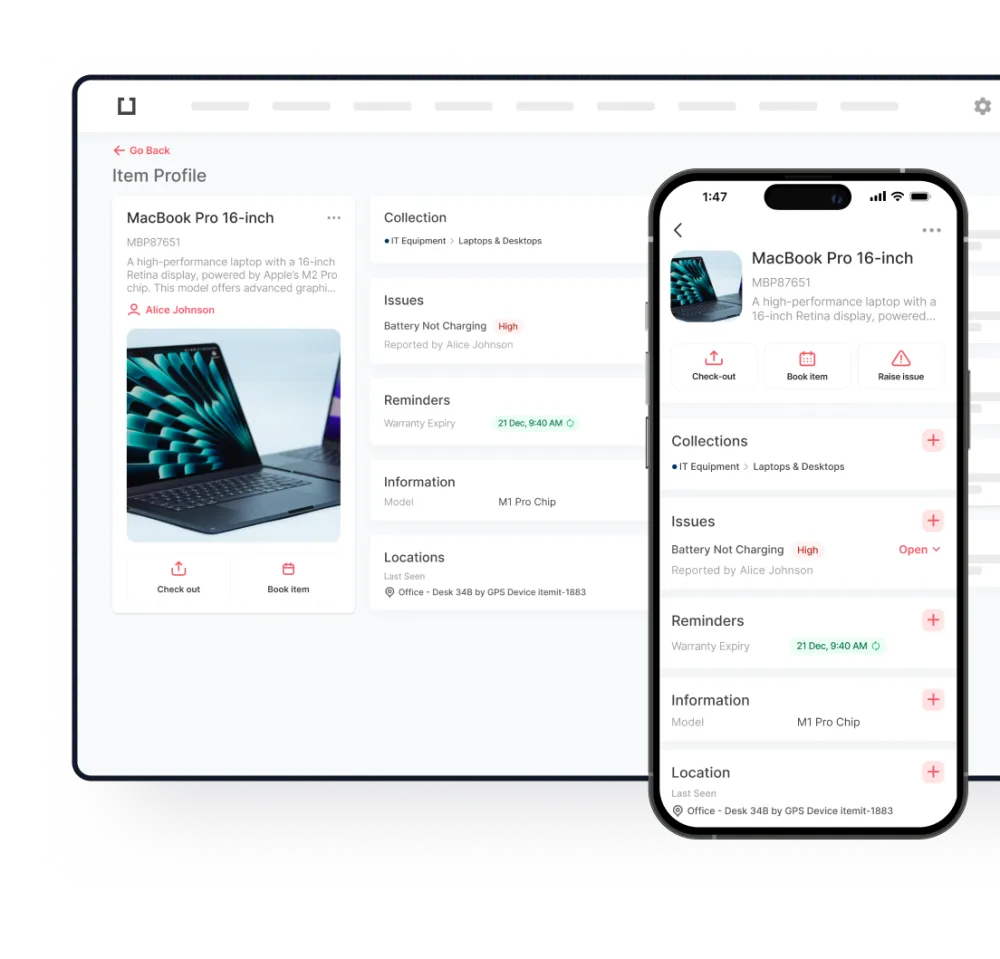
A school asset register is part of a software solution that is accessible via a web or mobile application. Once set up, administrators can see where any asset is, who is using it, its state of repair and the like all in one place.
How Does Asset Tracking Work
The actual process varies depending on the asset and the school’s desired level of functionality. Generally, an asset is added to the register using image recognition. A QR or RFID tag is added to the item so that it can be tracked automatically. In this way, assets can be assigned to users or departments.
What Can You Track With A School Asset Register?
There isn’t really a limit to what you can track. The question is more, what is useful for you to track? QR tags are an affordable way of tracking lower value items like textbooks. It’s often smaller items that go missing, and over time, this has a negative impact on available budgets.
Then, there are high value items. It’s simply common sense to keep a tight watch on these items. RFID tags are ideally suited for this. You can use fixed RFID checkpoints to make sure that administrators are notified when a tablet or similar is taking off the premises! More than this, you can see to whom the item was last assigned.
For the sake of thoroughness, below is a list of the kind of asset that schools generally add to their asset register:
- Textbooks
- SmartBoards
- Bathroom supplies
- Printers
- Standing desks
- Projectors
- Lab equipment
- First aid items
- E-readers
- Student desks
- Tablets
- Laptops
- Office chairs
- Cafeteria equipment