At itemit, we understand that businesses everywhere need to track their assets. This is why we offer an asset tracking solution that uses QR tags. Tags such as these can be hugely beneficial to the asset tracking process.
This article takes a look at some of the main benefits of using QR tags, helping businesses to manage assets with ease.
What Are QR Tags?
A QR or “Quick response” tag is a type of barcode that can easily be read. Most digital devices that store information can scan a tag. However, the device must be able to store the information in a square grid made up of pixels.
Most people have seen a QR tag from time to time. The most common tags seen in recent years are NHS tags found in shops and other locations. Users can scan the tags and inform the NHS of where they have been. The NHS can then track the individual to the location at a given time.
The QR tags that are used to track assets work in a similar way. However, they constantly help users to track their assets.

Quick Asset Identification
A major benefit of attaching a QR tag to an asset is that it speeds up asset identification. This is thanks to itemit’s software allowing users to locate the asset and edit or read the information relating to it.
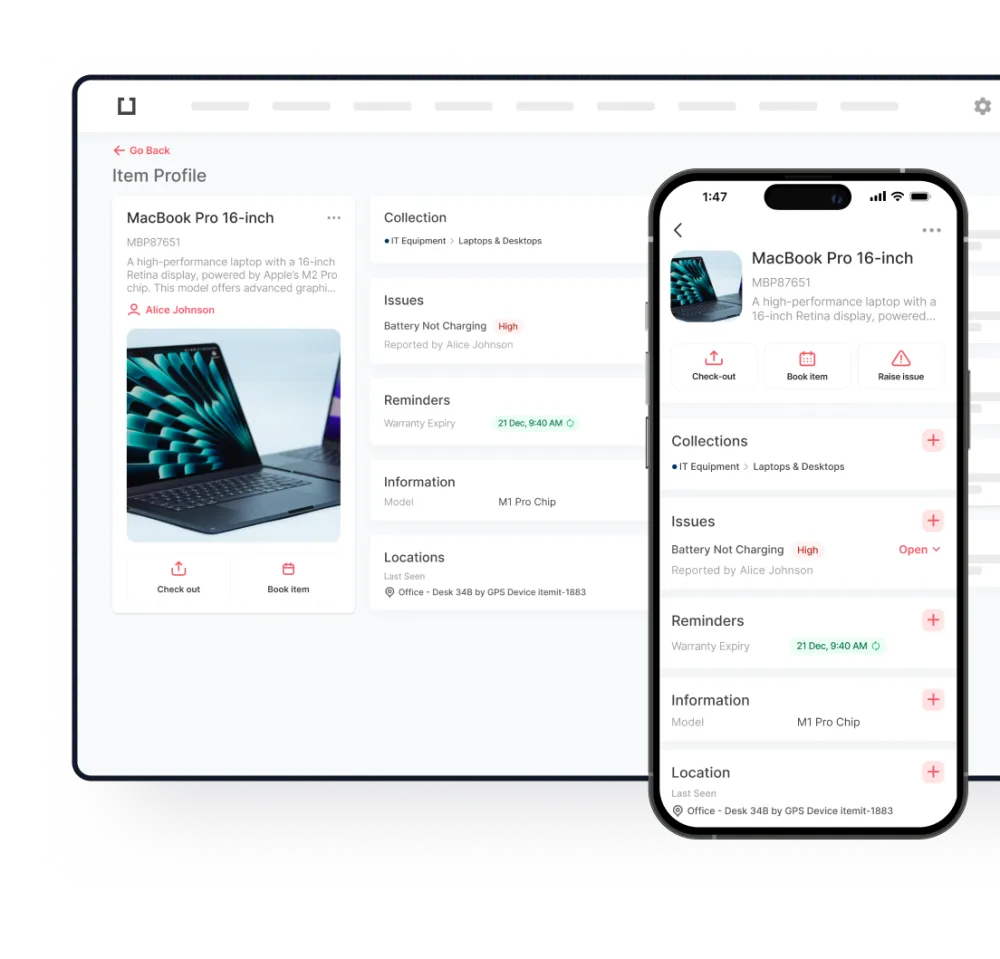
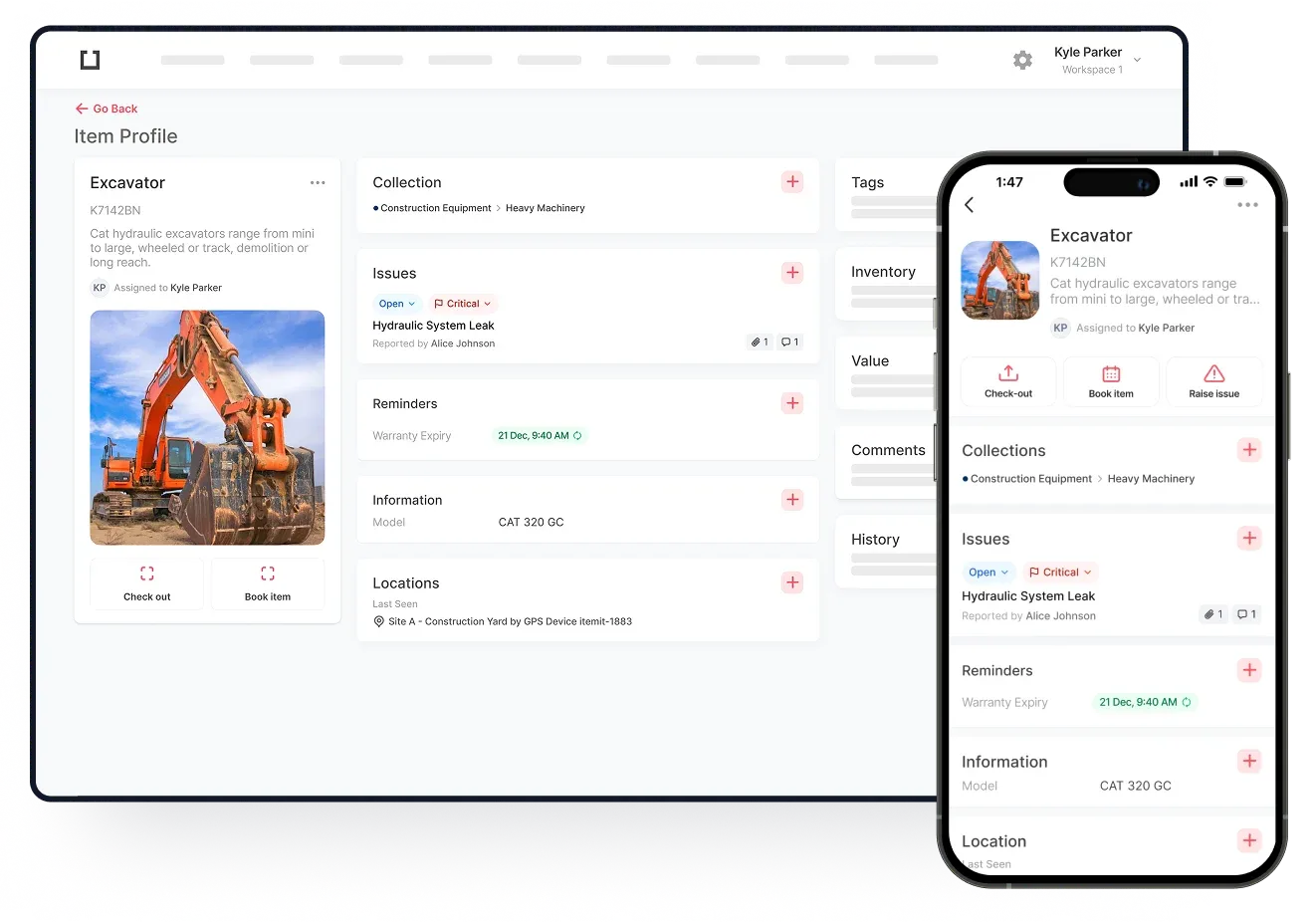
Users can take a look at the asset’s profile, understand its maintenance schedule, learn about its warranty and insurance, and more. Quick identification allows users to access as much information about the asset in question. In addition to this, it also helps users to track the asset whenever they need to.
Users simply need to log in to itemit’s menu and select the asset. They will then be shown the asset’s last-known location. This feature can help to save time and make for better asset retrieval.
Better Accountability
Another major benefit of using itemit’s QR tags is that they make everyone more accountable. Every time an asset is checked out, the individual using it will feel more responsible. The asset will be checked out in the user’s name, ensuring management knows who has which assets.
This feature also allows management to understand which assets are frequently used. Additionally, users will also be held accountable for the use and treatment of each asset. Therefore, they are much more likely to look after assets, ensuring they sustain less damage.
 Watch video