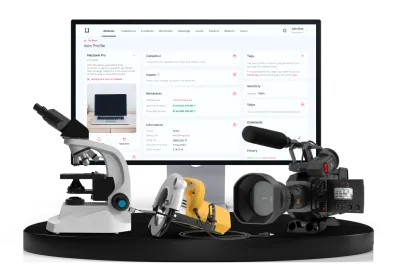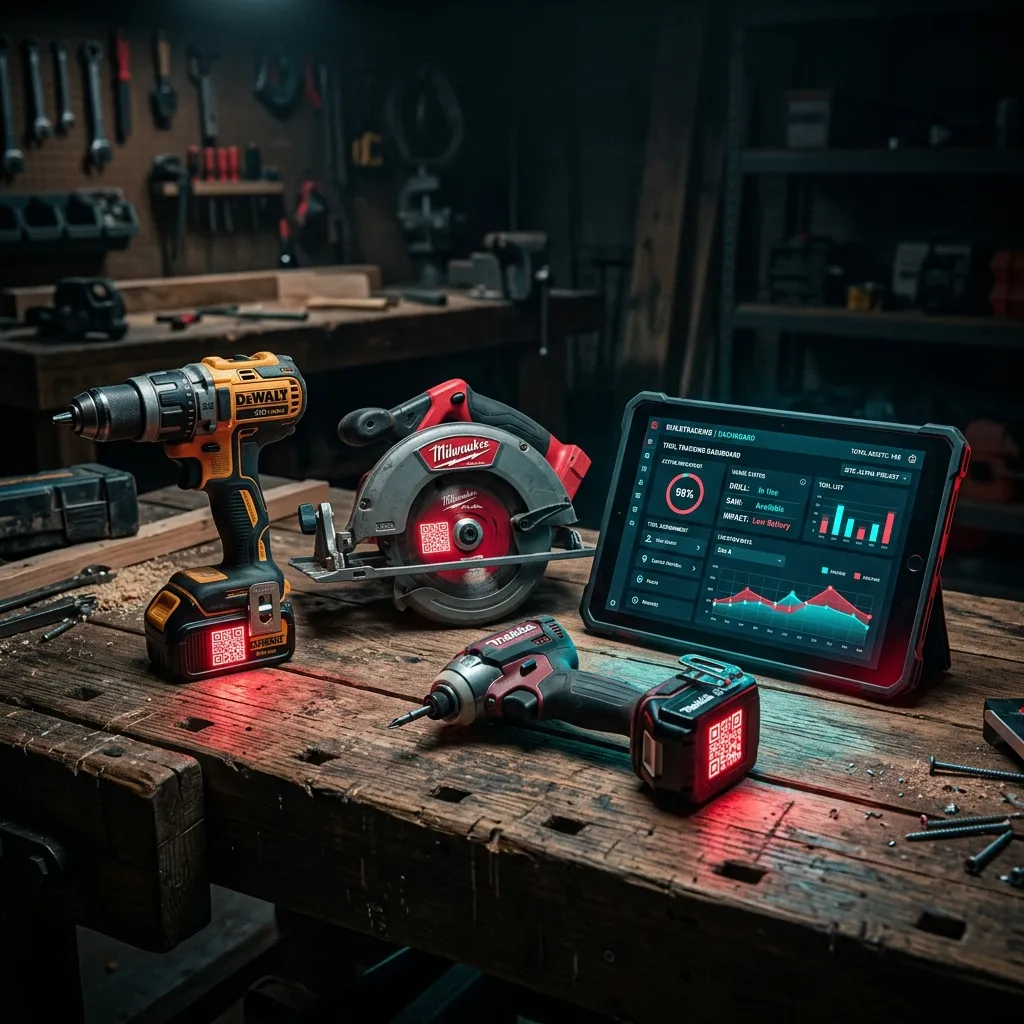
Small tool tracking software helps you keep a better eye on your critical equipment. Without small tool tracking software, you run an increased risk of losing assets, accountability, and speed.
When you use small tool tracking software, you'll benefit from:
- Fewer lost assets
- More time
- Fewer duplicates purchased
- More transparency
- A clear and automated fixed asset register

What Is Small Tool Tracking Software?
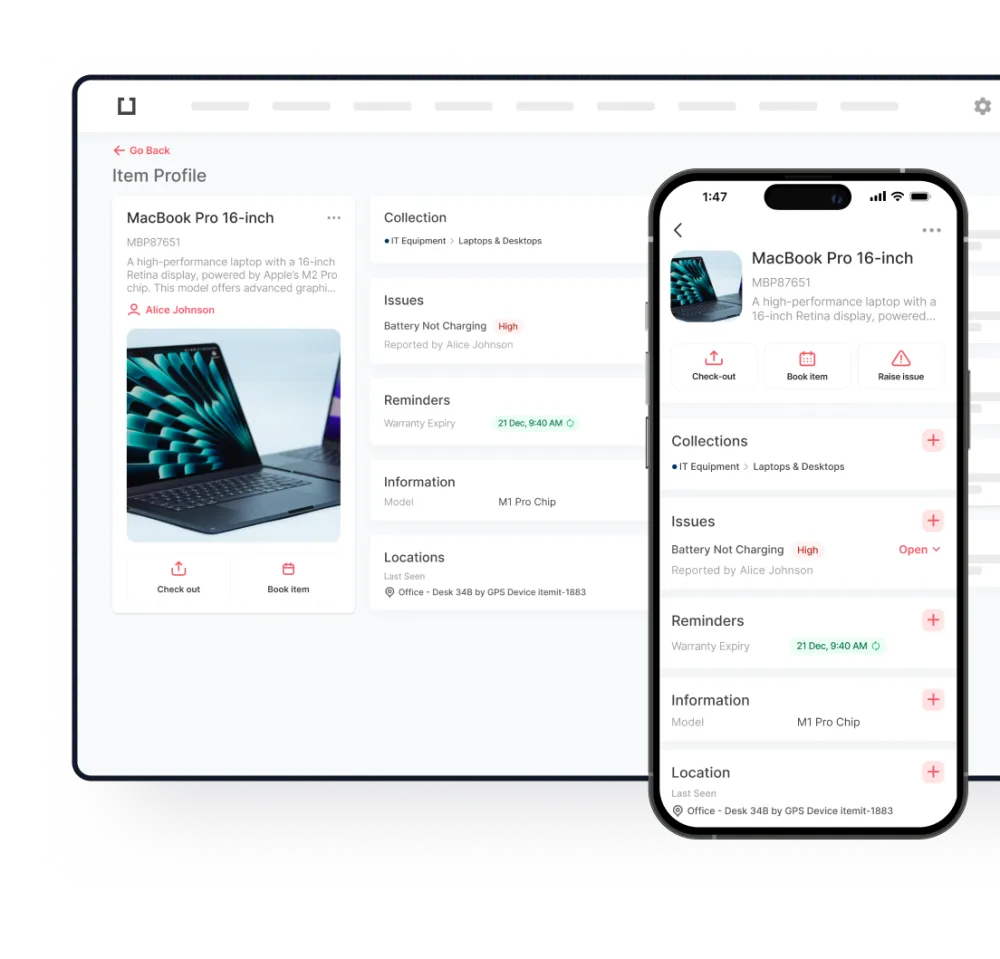
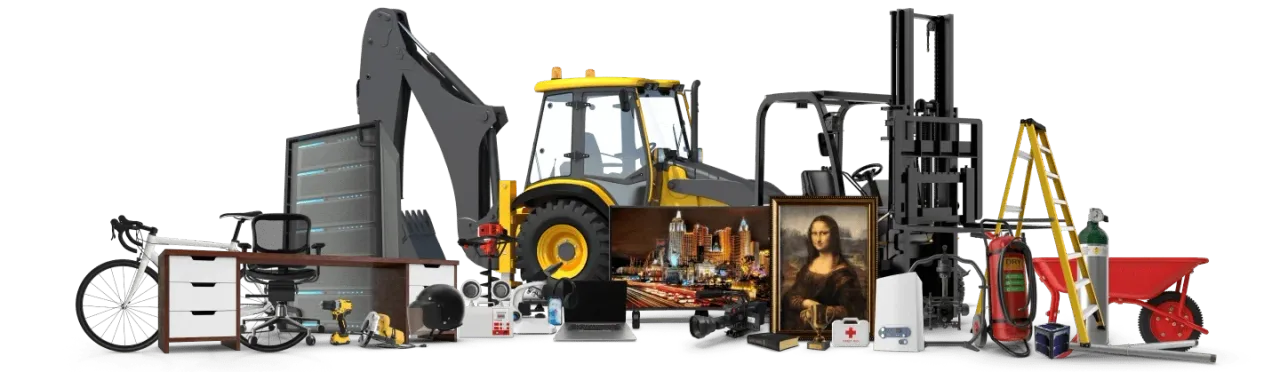
Small tool tracking software is a system that allows you to log, monitor, and track your small tools and equipment. Each piece of equipment gets a unique profile, ready to be populated with data.
In other words, you'll be able to track each spanner, each laptop, and each drill individually, giving you a clear overview of which assets you own and how they're behaving.
Small tool tracking software is a type of asset tracking software. Asset tracking software gives you a wide range of features to help you track your tools and equipment better, and to create a clearer overview of everything you own.
Using Asset Tracking Software To Track Tools
Asset tracking software allows you to track unique assets using asset tags. Then, once you've logged and tagged your assets, you'll be able to speed up a wide range of operations.
For example, you'll be able to use your asset tracking software as equipment checkout software, tracking all of the bookings and check-outs your assets go through.
You'll also be able to implement fixed asset management operations to track depreciation and extend your asset usage. When you track, monitor, and manage your assets, potential gaps become more transparent, allowing you to take steps to fix them.
Overall, when you track your small tools with asset tracking software, you lose fewer assets and get a much clearer view of where your assets are going and how they're behaving.
Fixed Asset Tags
Fixed asset tags are physical tags you stick to your assets. These can then be used to link your physical assets to their digital counterparts on your asset tracking software.
Every time you scan an asset's tag, the corresponding profile will open, the last seen location will update, and the user who scanned the tag will be logged.
 Watch video
This allows you to monitor how all of your assets move and how they're all being interacted with. This allows you to pinpoint where assets are should issues occur, as well as optimise asset movements between locations, saving you money on petrol.