IT asset tracking is a major component of managing an inventory. IT assets are those that a business owns and uses. They are of value to the business and, therefore, need to be tracked. Small businesses such as law firms, construction companies, therapeutic services, etc. still have IT assets. It’s these assets that need to be managed and tracked.
There are still many businesses out there that do not place any or enough importance on IT asset tracking. This is a real mistake as IT assets can be of great value. Security surrounding such assets needs to be improved as they can be costly to replace.
Let’s take a look at a few more reasons why it’s so important for small businesses to start tracking their IT assets.
You Can Account For Your IT Assets
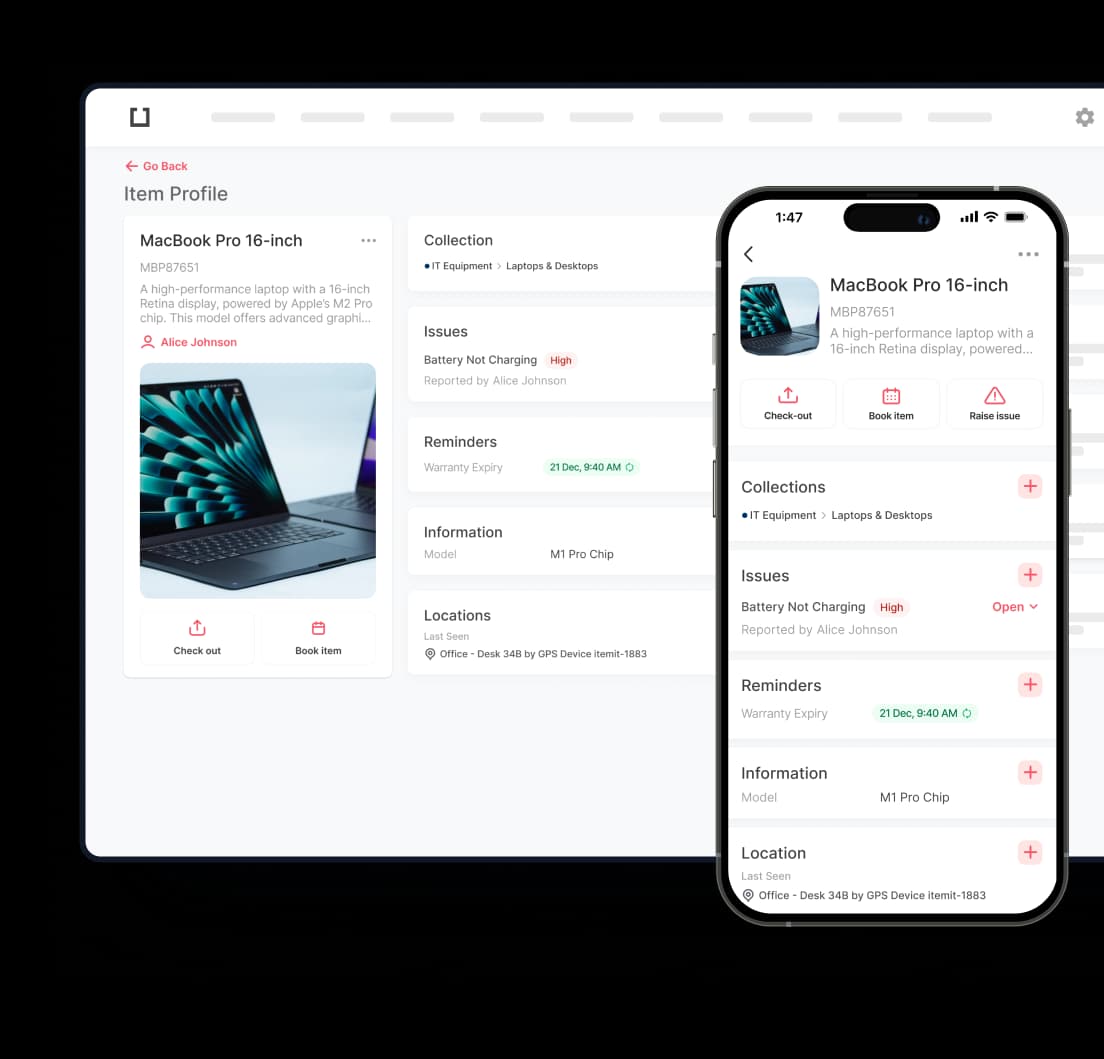
With the use of the right IT asset tracking software, it’s possible to account for your computers, etc. It is possible to see where they are at any time of the day or night. You can even see who is using which laptop.
Being able to track your assets in this way can prove to be very useful if you have assets in many locations. Perhaps your office or warehouse is large. Maybe your IT business is run by many people who work from home using your devices. Perhaps you rent some of your IT equipment out and you need to know which customers have what. As you can see, it makes sense for your small business to use IT asset tracking to its full advantage.

It’s Possible To Spot Inventory Losses
From time to time, assets can go missing or they can break down. As a result, you may no longer have as many assets in your inventory. When inventory shrinkage or loss takes place your inventory is not as accurate as it once was. The good news is that when you harness the power of accurate IT asset tracking, you’ll be able to spot these losses.
For example, it may be possible to see who returned a tablet that was damaged. You could even see who still has the laptop that should have been returned a few weeks ago. With this information available at your fingertips, inventory losses, also known as “Ghost assets” can be a thing of the past.