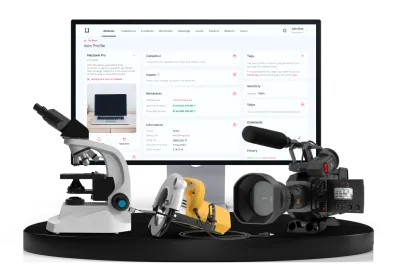
It is essential that you track your IT hardware. Knowing what IT assets you own and can deploy to your colleagues is essential to maintaining the smooth running of your business. This is where IT hardware inventory management comes in.
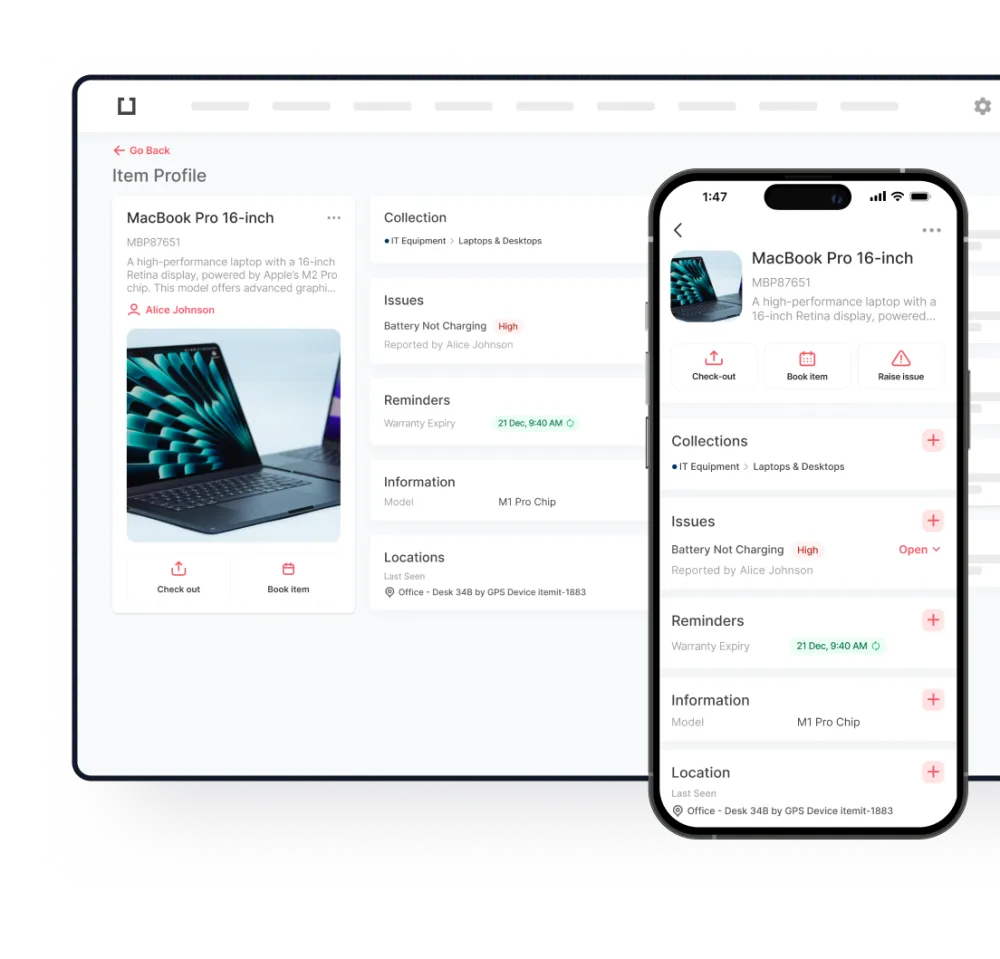
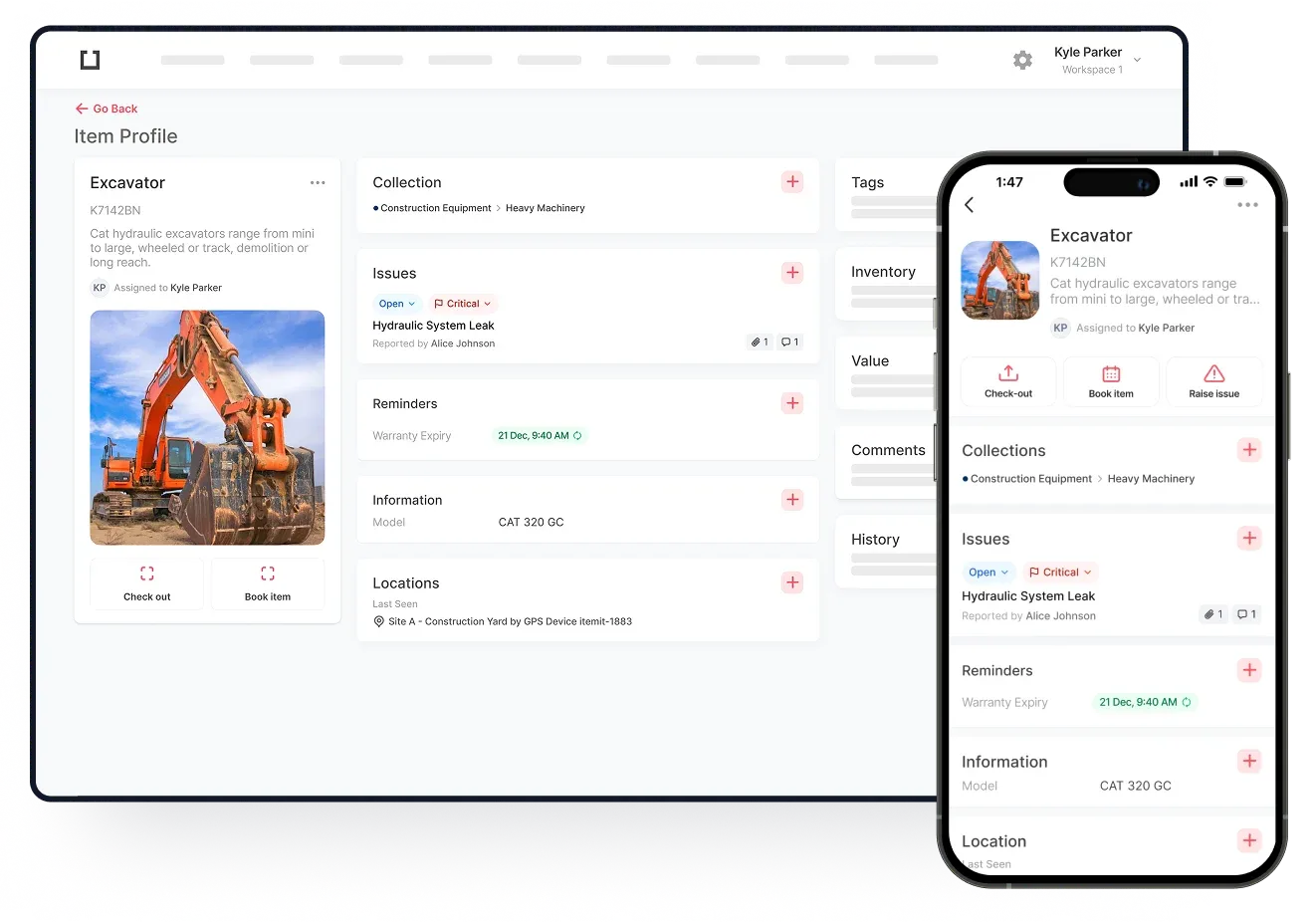
IT hardware inventory management allows you to log, monitor, view and edit asset-level data and information. What this means is that you can track where your IT assets are and who has them with ease.

How Does IT Hardware Inventory Management Work?
IT hardware inventory management is a set of disciplines that run within the spheres of hardware asset management and, more generally, IT asset management.
Essentially, it is the logging and monitoring of hardware equipment. So, all of your laptops, computers, monitors and phones can be logged onto a system. Then, specific serial codes and warranty dates can be added against each.
Therefore, you're tracking non-unique assets, such as laptops, as unique, singular assets. In other words, if your business owns five PCs, these PCs still need to be tracked individually to create the most accurate IT asset register.
Using Asset Tags
Asset tags save you time in your IT inventory management operations. When tracking any assets, one of the most important things is location tracking.
Knowing where your assets are reduces risks such as asset loss and also speeds up retrieval times. Already with these two things you start saving time and money, just through knowing where each asset is.
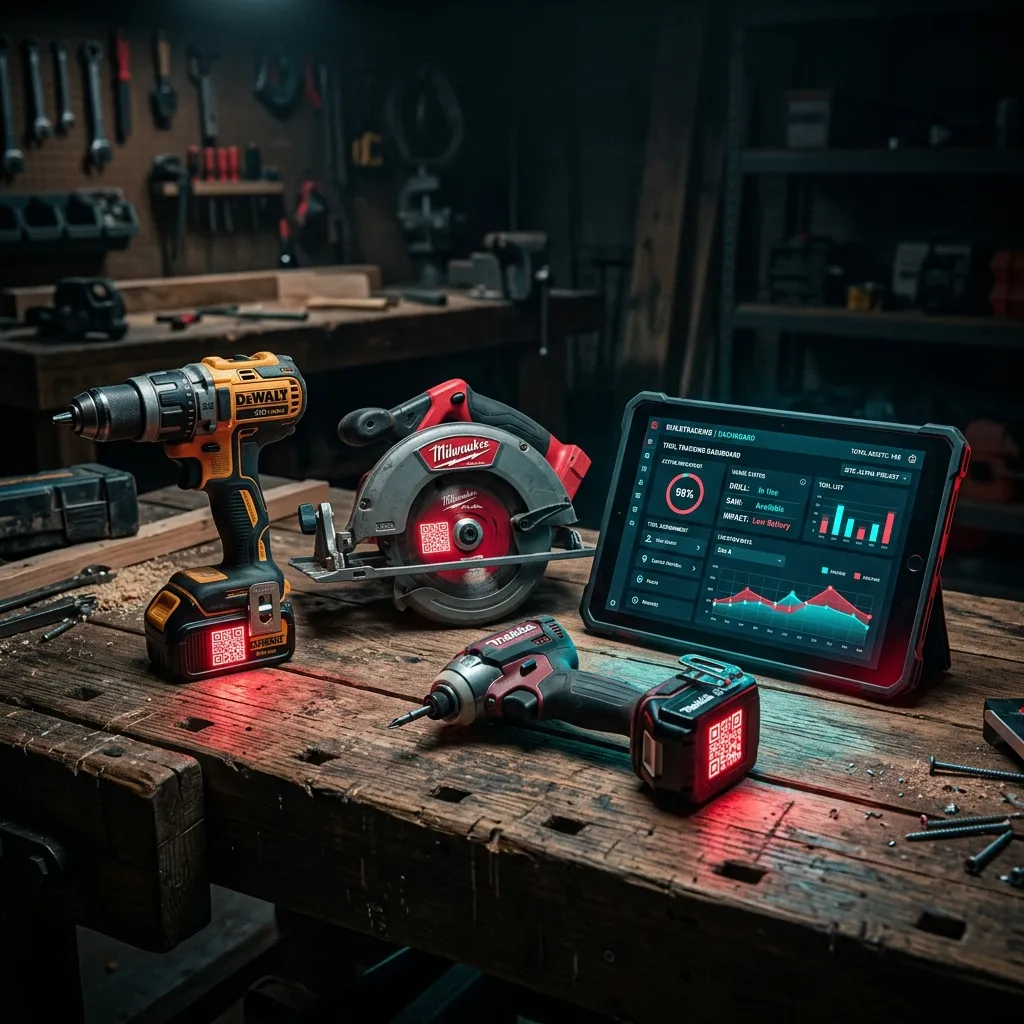
Asset tags speed up these operations and automate them. Asset tags are physical tags that you stick onto your assets. Then, you can scan them into your asset tracking system to link tag to asset to digital asset profile.
Every time you scan an asset's tag the relevant asset's profile and updates that asset's last seen location automatically using your phone's GPS, saving you time and showing you where your assets have been.