IT asset management is a set of operations designed to increase accountability and transparency. You can also use these operations to save time and money.
In a sense, IT asset management was created for accountability purposes for audits and insurance and wasn't initially designed to save you money.
Because of this, most IT asset management operations start off as a spreadsheet. These aren't fit for purpose as spreadsheets quickly become out of date and create the impossible task of maintaining data.
This is where IT asset management software comes in.
Logging Your Assets
The core of any asset management is logging assets. Assets must be logged correctly for auditing purposes. The idea behind this is that you own a record of what your business owns, then you use this record for accurate tax returns and insurance.
Initially, this saves you money as you avoid fines or inaccurate returns. However, using a spreadsheet for this increases risks such as ghost and zombie assets and, therefore, fines.
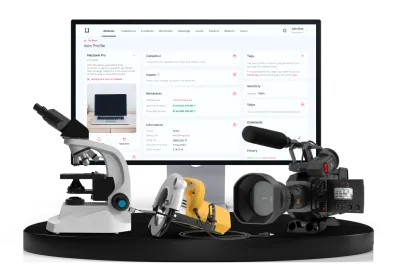
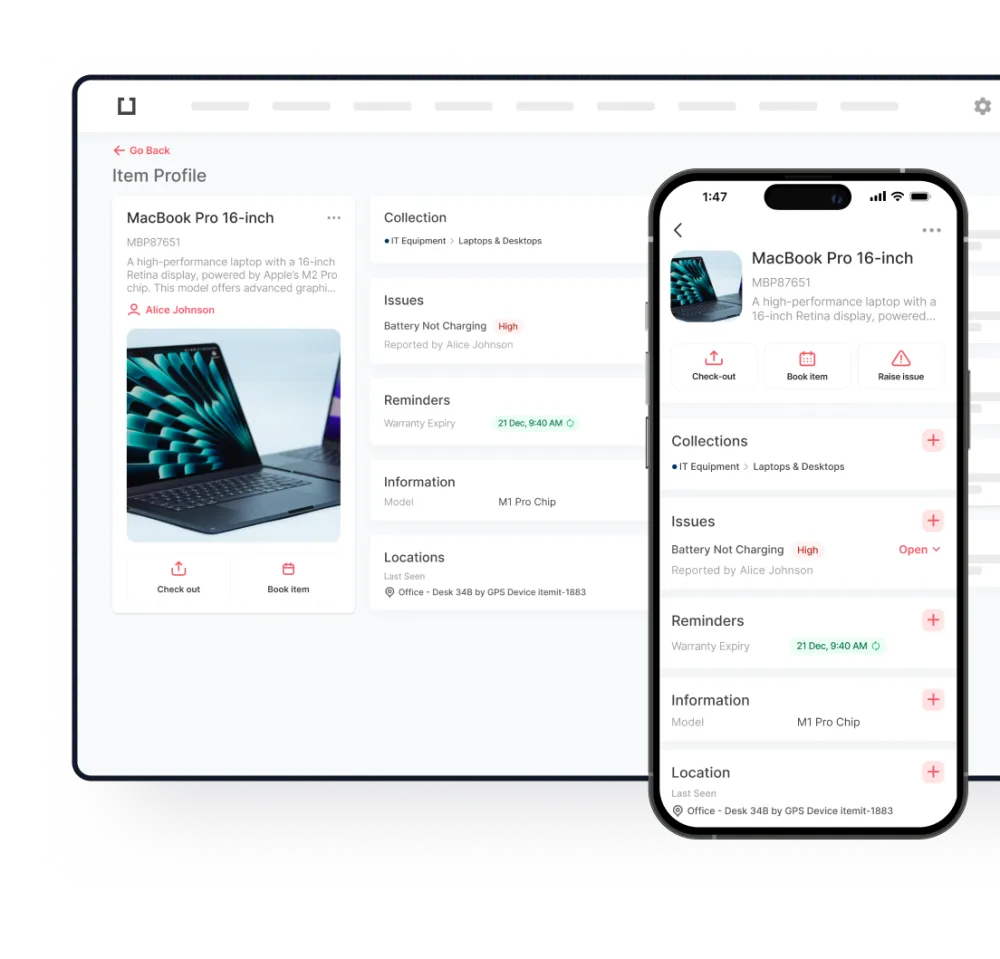
IT asset management software was created as a way to allow you to log assets as profiles and manage and monitor unique asset data in an easy way. Therefore, you can add your assets and populate them with information, reminders and critical attachments. This then populates into an automatic and exportable report.
Using IT Asset Management Software
IT asset management software lets you populate asset data against specific asset profiles. Using this method, you instantly increase your accountability over your assets as tracking becomes easier and more user-friendly.
Instead of searching for an asset in a spreadsheet, asset tracking software gives you an interface to interact with assets in a clearer and more fruitful way.
Software also has the benefit of being fluid in a way that spreadsheets can't achieve. You can add all the formulae in the world, or, you can add purchase date, cost and effective lifetime and let a system calculate the rest for you.
These kinds of benefits save you time and, therefore, money as you can focus on other things and leave your asset management efforts to handle themselves.