Every product sitting on a shelf, tucked into a warehouse bin or bouncing between depots on the back of a lorry represents money someone decided to spend. An accurate inventory count gives you the visibility to make confident purchasing decisions, keep customers happy and run a leaner operation. Get it wrong, and you're looking at overstocking, tied-up capital or stockouts that send buyers straight to a competitor. This guide covers the counting techniques that actually work, explains how to run a clean stock count and shows where software like itemit fits into the picture.
Key Takeaways
- A well-executed inventory count cuts shrinkage, prevents stockouts and sharpens your purchasing decisions
- Cycle counting lets you verify stock without shutting the warehouse down
- Inventory analysis turns raw count data into intelligence you can act on
- Barcode and QR scanning slash human error during a stock count
- Inventory control only works when it's built on numbers you can trust
- itemit automates tagging, scanning and reporting, saving hours of manual labour every count
What Is an Inventory Count?
An inventory count does exactly what you'd expect. You physically verify every item in your warehouse, stockroom or storage facility against whatever your system says you should have. Simple enough in theory. In practice? That's where it gets interesting.
The gap between recorded and real quantities is where money disappears. Theft, damage, supplier short-shipments, items shoved onto the wrong shelf, a warehouse operative keying "52" when they meant "25." These errors build up. A single miscounted pallet might not raise any alarms. But multiply that across dozens of product lines and let it run for six months, and you could be staring at thousands of pounds in unaccounted stock.
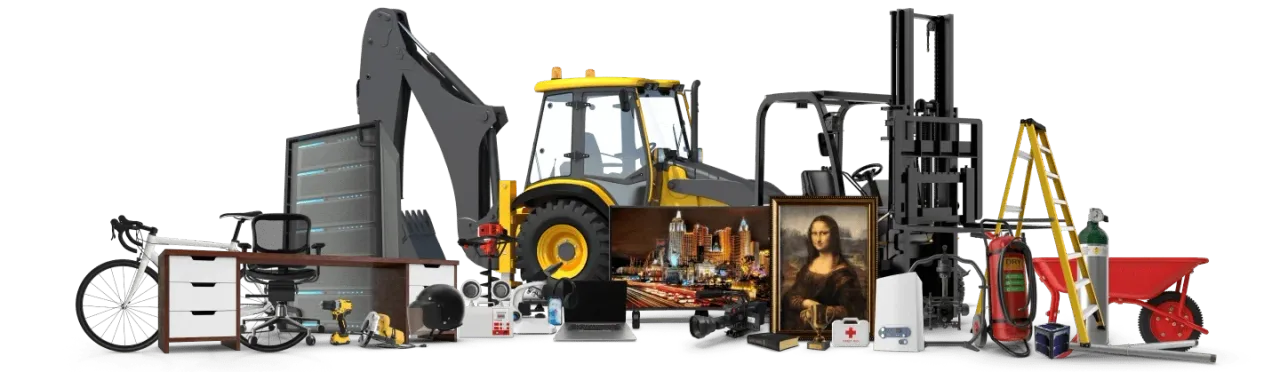
Running a regular inventory count catches those discrepancies early, before they compound into something that actually hurts the bottom line. And it doesn't matter if you're a 200-SKU retailer or a construction outfit managing excavators across five job sites. You need to know what you own, where it sits, and what condition it's in. That goes for consumable stock and fixed assets like machinery, vehicles and IT equipment alike, not just what you sell.
Why Counting Matters More Than You Think
Here's the uncomfortable truth. Businesses that skip regular counts end up making purchasing decisions based on numbers that don't reflect reality. They reorder products already gathering dust in a back corner. They run dry on their best sellers right before peak season. They bleed money from both ends and rarely understand why.
Beyond purchasing, your count data feeds straight into financial reporting. Auditors want verifiable figures. Tax authorities won't accept "we think we have about 3,000 units." For any business carrying physical stock, the inventory count isn't optional. It's governance.
Cash flow tells a similar story. Stock that doesn't sell is capital trapped on a shelf. Counting exposes those slow movers so you can discount, liquidate or stop reordering before the losses pile up.
The inventory manager sits at the centre of all this. When that role is clearly defined and properly resourced, counts run smoothly and the data means something. When it isn't, even the best software can't cover for a lack of ownership.
Common Inventory Count Techniques
Not every business needs to lock the warehouse doors and count every last item in a single weekend. The technique you pick depends on your stock volume, how much disruption you can tolerate and how tightly you need to manage accuracy.
| Technique | How It Works | Best For |
|---|
| Full Physical Count | Every item counted at once, operations paused | Annual reconciliation, audit prep |
| Cycle Counting | Small portions counted on a rotating schedule | Businesses that can't afford to stop |
| ABC Analysis Count | Items grouped by value and counted at different frequencies | Focusing accuracy on high-value lines |
| Spot Checking | Random checks on specific SKUs, triggered by discrepancies | Quick verification between scheduled counts |
Cycle counting deserves a closer look. Your team counts a different section each day or week, and over time, every single item gets verified. No shutdown required. No overtime weekend. And many businesses find it actually delivers better accuracy than an annual blitz because errors get caught weeks after they happen, not months.
Spot checking pairs well with cycle counting too. Say your system flags an unexpected variance on a high-value SKU. A targeted spot check lets you verify right then, without waiting for the next scheduled round.
The counting technique you go with ties directly into your broader types of inventory management setup. A just-in-time operation needs frequent cycle counts. A business holding large buffer stocks can afford a different cadence. Match the rigour to the risk.
Running a Clean Stock Count

A stock count lives and dies on preparation. Skip the prep, and you'll spend twice as long fixing bad data afterwards.
Tidy the warehouse first. Every item needs to be in its designated location, clearly labelled and easy to reach. Mixed bins, unmarked cartons, and shelves that look like someone played Tetris with them will slow your team to a crawl. Sort the mess before count day, not during.
Brief your counting teams. Everyone involved needs to know their assigned sections, their tools (paper count sheets, handheld scanners, mobile apps), and how to flag discrepancies. Pairing counters for a blind count adds a verification layer that catches mistakes a solo counter would walk right past.
Freeze all stock movements. Nothing comes in. Nothing goes out. Nothing moves between bays. Any movement during counting creates errors that take hours to untangle. If you're running a full physical count, give your suppliers and dispatch team proper prior notice so they can plan around your count window.
Reconcile the same day. Compare physical figures against system records and dig into any gaps above your set tolerance. This reconciliation step is where the inventory count actually pays for itself, because it shows you not just what's wrong but where to start looking for the cause.
Turning Count Data Into Intelligence
Numbers on a spreadsheet tell you what you've got. Inventory analysis tells you what to do about it.
Start with turnover. A healthy inventory turnover ratio means you're moving stock at a pace that matches your purchasing. Too low, and dead stock is eating your cash. Too high, and you're dancing on the edge of a stockout. Both extremes cost money, just in different ways.
Inventory analysis also uncovers seasonal swings. Count quarterly, and you'll start to see how demand moves across the year. Businesses that use this data to fine-tune their reorder points and safety stock buffers consistently outperform the ones flying blind.
Pair your count data with ABC classification. Your A-category items, that top 20% of SKUs pulling in roughly 80% of your revenue, need the tightest inventory control and the most frequent counts. C-category items? Count them less and don't lose sleep over it. Direct your energy and counting resources where the revenue actually sits.
What really makes analysis powerful is spotting patterns over multiple counts. If the same product line shows shrinkage quarter after quarter, that's not a random blip. It could point to a packaging defect, a recurring supplier discrepancy or even a security gap at a specific location.
Mistakes That Sabotage Your Count
Even well-intentioned counting routines fall apart when the same errors keep repeating. These are the ones that do the most damage.
Counting without a cut-off. Goods still arriving and leaving during the count? Your numbers will never reconcile. Full stop.
Relying on memory. Teams that skip count sheets and scanners end up recording what they expect to see, not what's actually there. Someone "knows" the shelf holds 50 units, counts 48, and writes down 50 anyway. Structured counting tools kill that temptation dead.
Brushing off small variances. Two units off on a low-value SKU seems trivial. Across 400 product lines, those tiny gaps add up to a material hole on your balance sheet.
Counting once a year. Annual-only counts catch problems roughly 12 months too late. By the time you spot a pattern of shrinkage, every trail has gone cold and you're left guessing at root causes with no evidence to work from.
No follow-up. This one's the worst. If nobody investigates discrepancies, corrects records or adjusts procedures after the count, you've burned the time and budget for zero return.
How itemit Streamlines Your Inventory Count

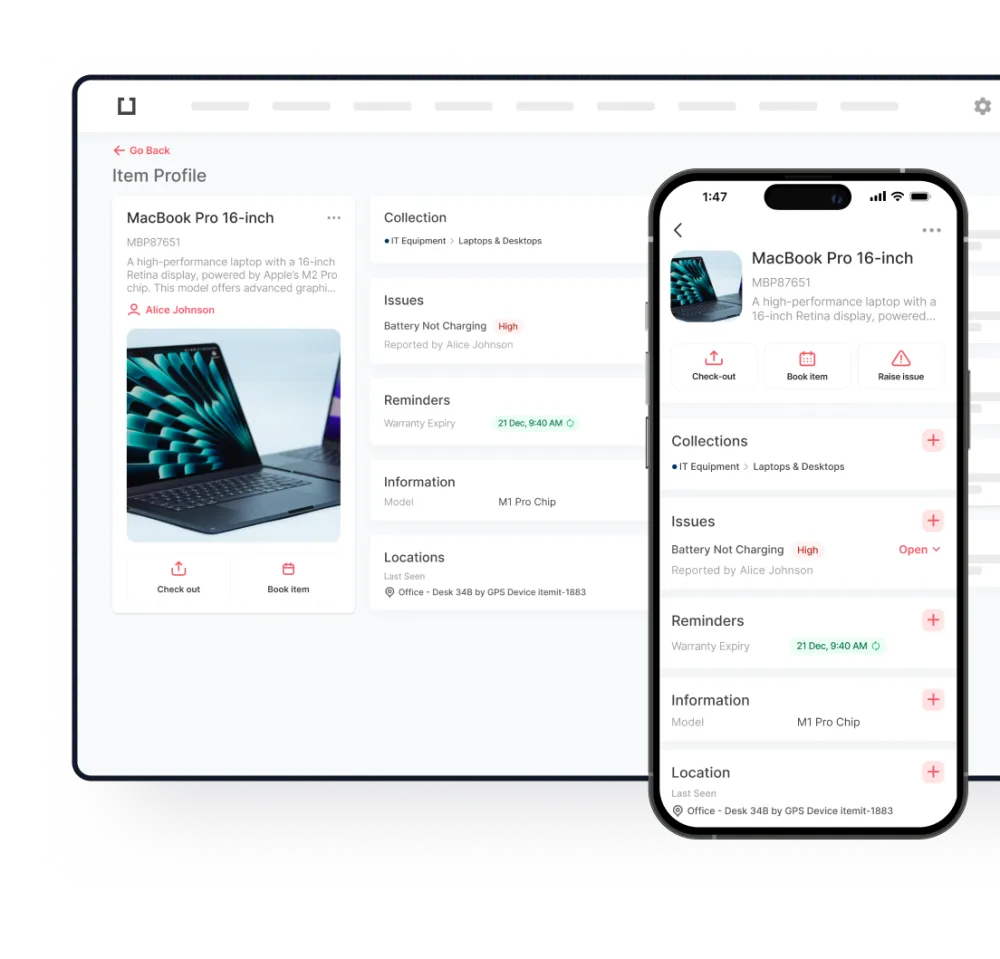
Clipboards and spreadsheets leave too much room for human error. One transposed digit, one illegible tally mark, and your data's compromised. itemit removes that friction entirely by putting barcode and QR code scanning into a mobile app your team already carries in their pockets.
Every scan feeds straight into your asset tracking system with no double-entry, no end-of-day spreadsheet marathon, and no transposition errors. The accuracy improvement alone justifies the switch for most teams.
Reporting gets easier, too. Once your count wraps up, itemit generates reports that highlight discrepancies, track asset depreciation, and feed directly into your financial records. Audit season stops being a scramble because the data is already clean, the discrepancies are already flagged, and decision-makers get figures they can trust without chasing them down.
The mobile app also supports offline scanning for many use cases, keeping field teams productive when Wi-Fi or mobile signal drops out on construction sites or in rural warehouses. Data syncs once connectivity returns, so count records aren't lost in transit.
Fewer losses. Less downtime. Cleaner data. When your team can scan, reconcile and generate reports from one app, counts that used to eat an entire weekend can wrap up in a fraction of the time.
The Bigger Picture
Inventory counting will never be glamorous. Nobody's winning awards for it. But the businesses that treat it as a competitive edge, investing in the right techniques, the right tools and the right rhythm, consistently make sharper decisions with less waste. Every count you run well sharpens your view of what's really happening inside the business.