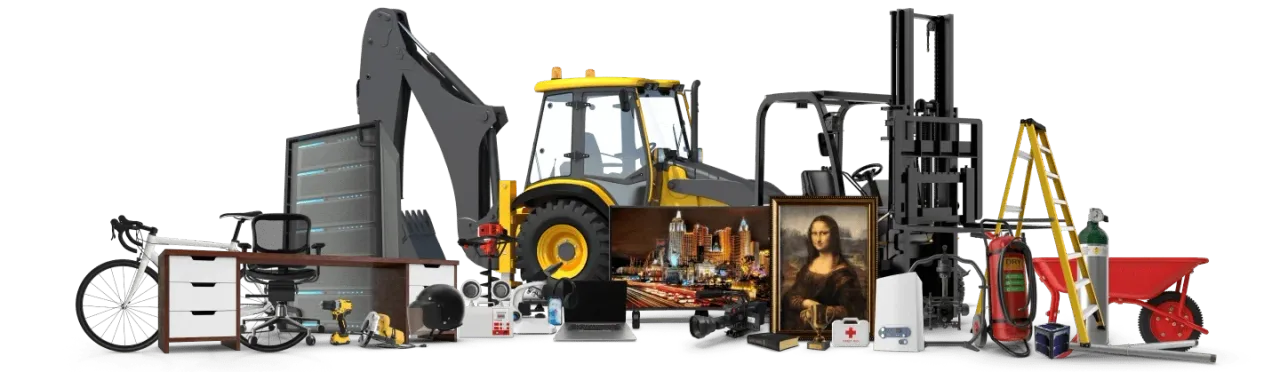
Your fixed asset register is where you can truly harness the power of your asset tracking efforts. Here, you can access the most up-to-date information about the items your business owns, great or small. More than this, you can manage what you have and make intelligent choices based on the information you find there.
However, there is such a thing as a partial implementation of a fixed asset register. Not having the right information, notifications or even enough of your assets included, will vastly limit the value of your register.
Not using asset tracking software to track your fixed assets yet? This is a great place to get a clearer picture of what kind of functionality, control and insight is available to you.
What are Fixed Assets?
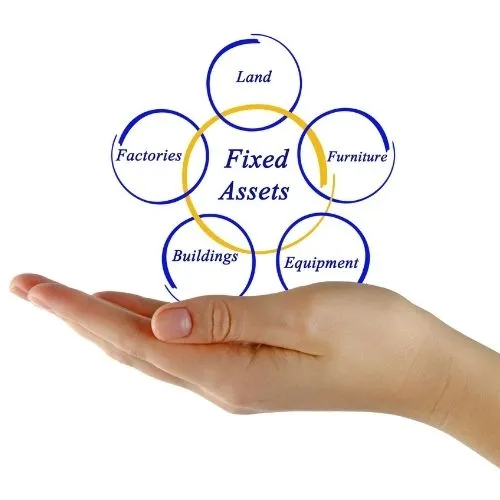
Generally speaking, a fixed asset is an item of company property that is expected to last more than 12 months. It’s as simple as that. Commonly, fixed assets fall under the category of property, plant and equipment (PP&E) on the balance sheet!
Conversely, current assets are items that are going to be consumed or converted to cash within a year. So the only defining characteristic of a fixed asset, is how long you plan to own it!
What is a Fixed Asset Register?
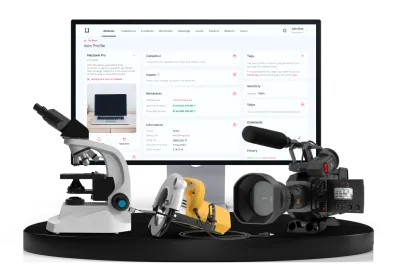
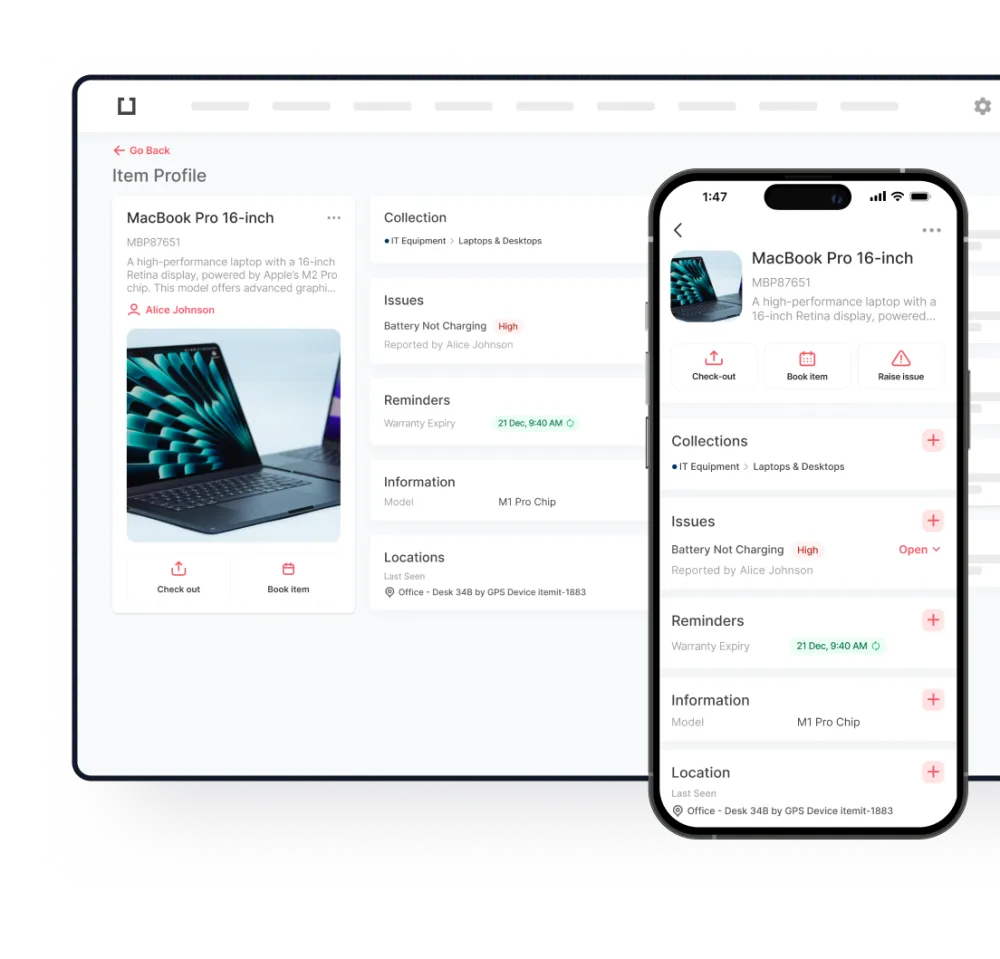
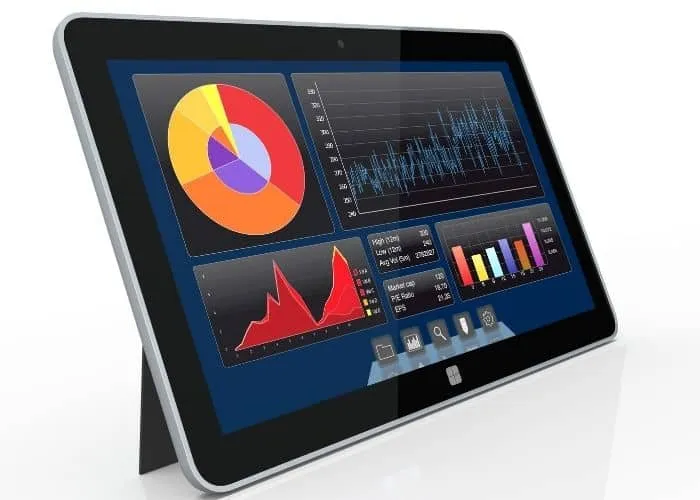
A fully-fledged fixed asset register is a database that holds all information about the fixed assets in your business. This database is generally accessible via a bespoke asset management software using an easy to use user interface.
Of course, in the past, companies often used spreadsheets for this sort of activity. Unless you are going to invest a lot of time and money in developing these sheets, you are not going to achieve anything like the capabilities of a true asset register. In fact, as a fully implemented register will be updated automatically using a network of tracking technologies (GPS, QR, RFID) to stay up-to-date, spreadsheets are now largely seen as not suitable as an asset register solution.
Essentially, your register will tell you what you have, where it is, who has it, where it’s going and the like. But really, that is the bare minimum information.