itemit exists to make your life easier. The asset register software is here to help you to build an asset register and track your assets all day, every day. However, not everyone is aware of how to go about building an asset register. This article contains some tips that can help you to build a register so you can track every asset all of the time.
Create An Asset Profile
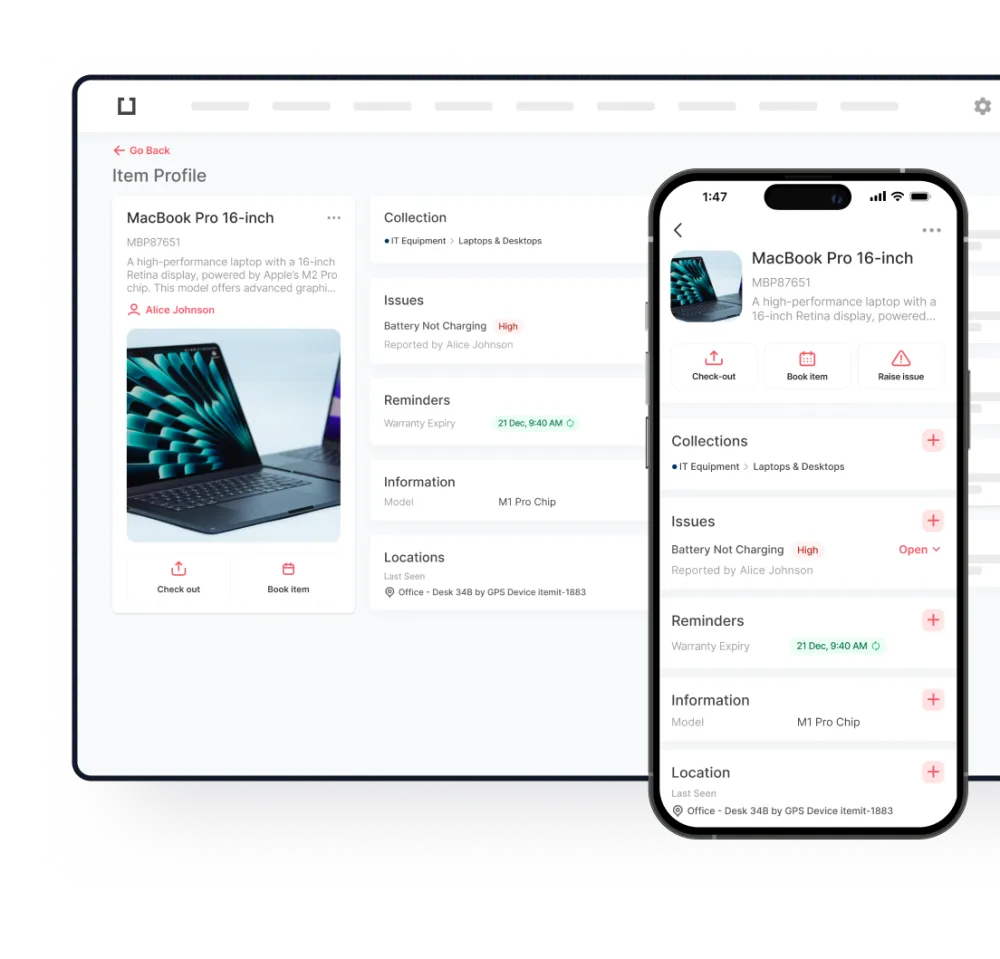
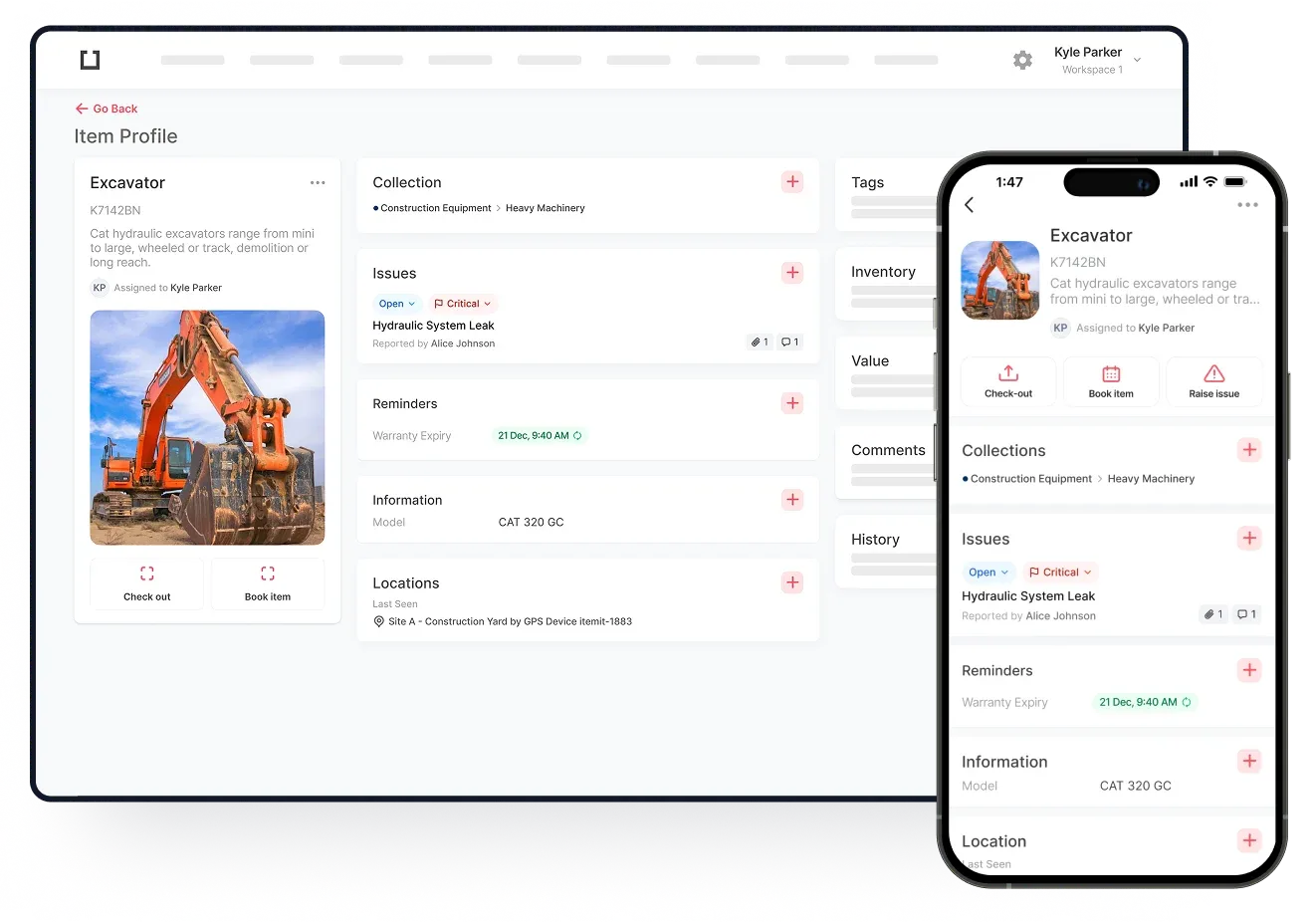
One of the first things you’ll need to do is to create an asset profile. Simply log into itemit’s menu and get started. As soon as you have created a profile you’ll be able to add multiple details about each asset. This will allow you to have a lot of important information to hand when you need it the most.

Add The Relevant Information
The next stage of the asset register creation process involves adding the relevant information. You can include information such as the asset’s name, serial number, brand, weight, colour, price at purchase, date of purchase, insurance and warranty details, and more. Users can even add a photograph of each asset, should they wish to. There’s also an option to add notes for future reference.
Users can add as much or as little information as they please. The more information there is about each asset, the easier they will be to track. In addition to this, knowing you have easy access to an asset’s insurance details just makes sense. It can save a lot of time and effort if you can simply read the information you need and make a claim.
Users can also communicate with those who also use itemit’s software. For example, you can leave notes for the maintenance team, should an issue arise. Alternatively, you can leave a note so that next time you use the asset you know how to make use of its functions. This is very convenient and just one of the reasons why businesses are signing up to use itemit.
Add a QR or Barcode
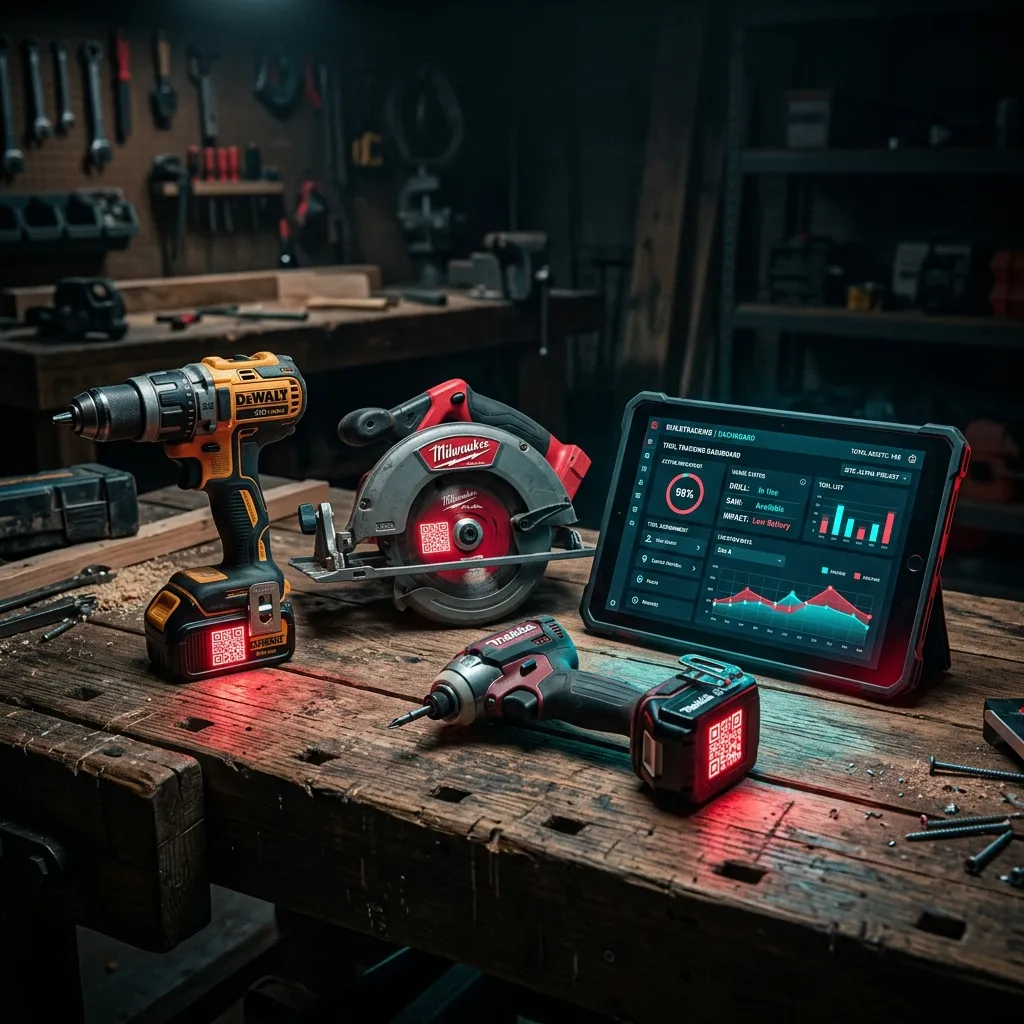
As soon as information about each asset has been added, you can add a QR or barcode. It’s these codes that help you to track your asset’s location.
Simply attach a QR or barcode to the asset in question and scan it. Once you have, you can assign the QR or barcode to a particular asset. It’s this that helps you to track the asset in question. In future, should you wish to see where the asset’s located, you can simply search for it in itemit’s menu. As soon as you’ve found the asset in the menu, simply click on it. When you do, you can see the asset’s last-known location.
Attaching a QR or barcode to an asset can be useful in other ways. For example, should you come across an asset and you’re not sure it’s being used, scanning the code can tell you. Information such as the current user (if entered) or the asset’s maintenance history can be readily available. Having all of this information to hand on the asset register can be very helpful. For example, should something go wrong with an asset, users can see the asset’s history and who may have been using it. With this information, users can find out why the asset might not be working and book it in for repairs.
Export Reports
Should you wish to, you can export a report on some or all of your assets. The reports in question can contain as much or as little information as you please. Reports may come in handy when you wish to send your insurance company details of your assets, for example. Alternatively, it may simply be useful to see which assets you have and which are used the most.
Reports do not have to be exported, however. Creating a report is very easy and it can help you to understand your business as a whole. For example, you could see how well your business is performing just by seeing how many assets you have. Alternatively, you could simply use the information to help you to understand the value of your business.
 Watch video
Let itemit Help You To Build An Asset Register
Thanks to the way that itemit’s software works, you too can build an asset register with ease. Our software is uncomplicated and easy to use. With the ability to help you create a register of your assets, you can use the software to your advantage.
Many different businesses all over the globe as choosing itemit. They know the value of building an asset register and being able to access it as and when required. Let us help you to build a register of your assets with ease. Reach out to us today at team@itemit.com. We can help you to make the most of your assets. Alternatively, you could fill in the form below to make a start.