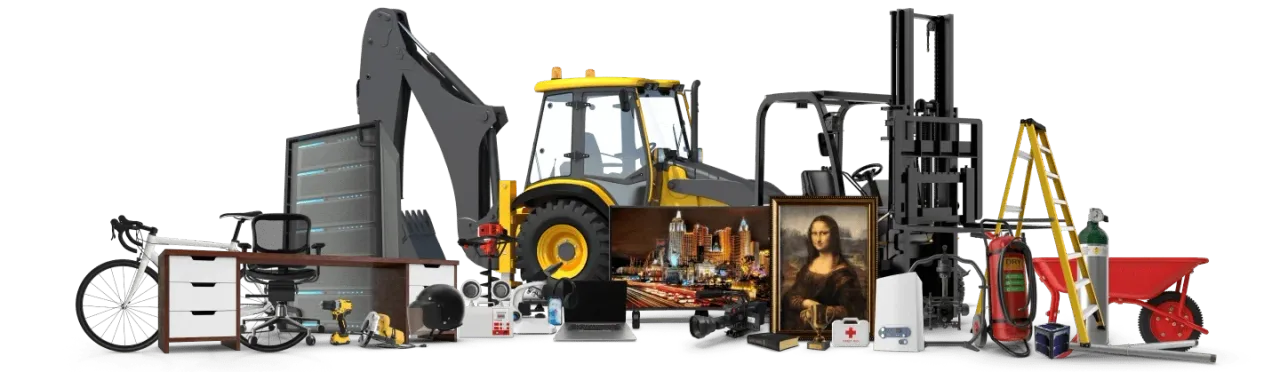
We all know that construction companies track their tools and equipment, or at least that they ought to. We know it makes sense for media businesses to track all of their IT, camera and lighting equipment. One thing you don't hear about as often is how facilities managers keep on top of all the assets they are responsible for in shared buildings and communal areas.
What assets do Facilities Managers need to track?
There are many assets that we may not even recognise as being ‘assets' when we think of shared office buildings, University buildings, communal break out areas, etc. As an example, there are meeting rooms with whiteboards, whiteboard pens (if you're lucky!), bins and projectors. Then you've got toilets and shower rooms with hand driers, baby changing units and soap dispensers. Not to mention all the plumbing assets that may occasionally spring a leak (yuck!) Facilities managers are responsible for ensuring that the asset tracking needs of these assets are covered.
How have facilities assets been monitored previously?
The spreadsheet is every Facilities Manager's go-to and at the same time, the bane of their lives. Most Facilities Managers that we have spoken to rely on a spreadsheet to record asset information, such as where assets are, if they have any known issues and when they are due for inspections.
Unfortunately, each manager we have spoken to also goes on to tell us that the spreadsheet is very out of date (we're talking years out of date in most cases!). As a result, nobody knows what assets the business owns or where they are, or even if they're fully compliant.
What is the modern-day asset tracking solution for Facilities Managers?
Thanks to the rise of the Internet of Things (IoT) and many technology companies turning their hand to producing solutions not just for the Facilities industry, but for anyone tracking assets, there are now many great options for monitoring your assets.
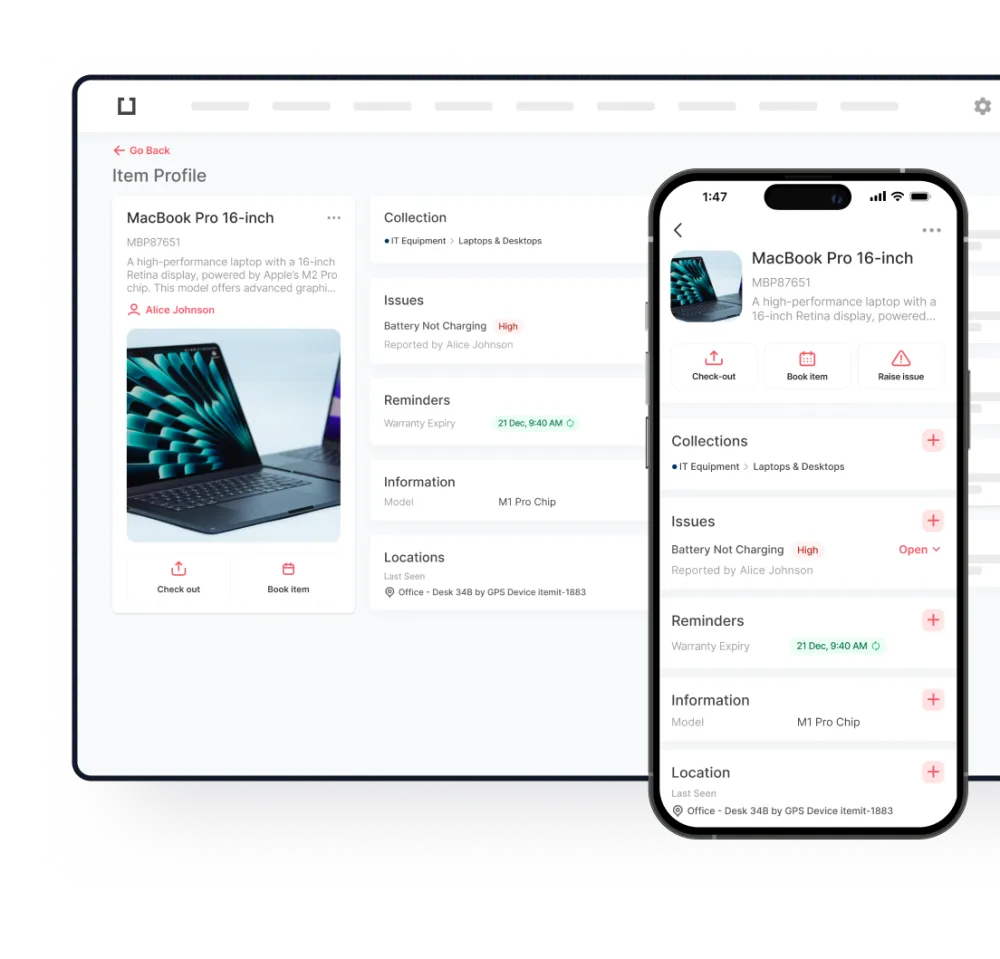
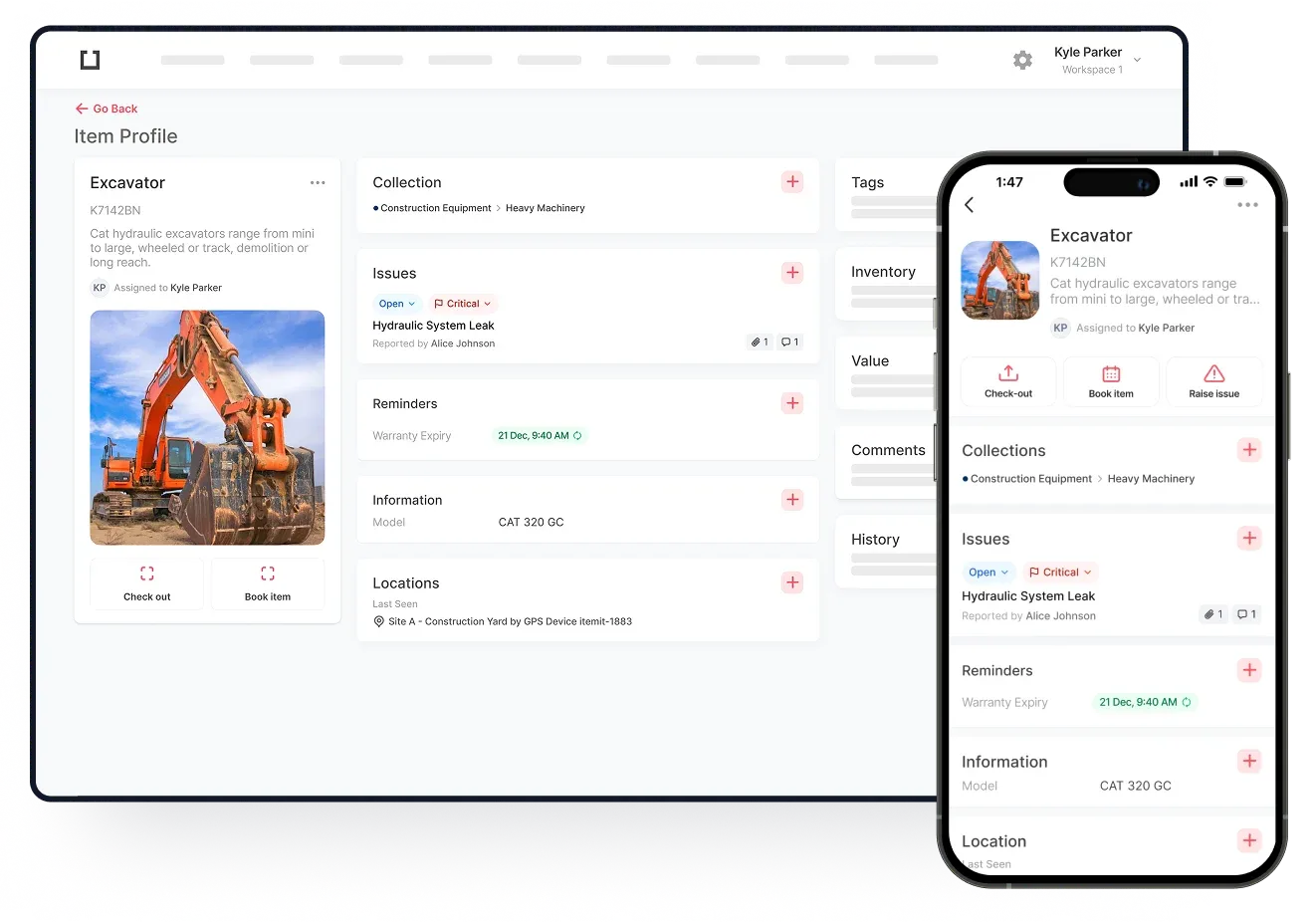
Spreadsheets are notorious for being stashed away on someone's computer and therefore being very challenging to update. Over the past decade or so, cloud-based solutions have become ubiquitous. Cloud-based software means that rather than running software on an individual computer, the software runs on shared computing resources via the internet. In layman's terms, what this means for you is that you can log in to the software from any computer and from anywhere in the world. Pretty useful, right?
Cloud-based asset tracking software is no different; now, all of the asset tracking solutions that are worth having are cloud-based. Not only does this mean that the systems are easier to use and access, but they are also much cheaper!