Asset tracking software is reaching a new age. Only a few years ago, spreadsheets were the main method of logging and tracking assets. This creates a lot of gaps, including the fact that any audits would have to be undertaken on-site, with updates to a fixed asset spreadsheet occurring later.
Then, asset tracking software was created. With the cloud, it became possible to log any changes from onsite. This means that you can edit asset data with the assets physically in front of you and have this update reflected across all of your asset management systems.
Since then, the technologies you can use alongside asset tracking software have also improved, and their integrations into asset tracking have also become quicker and simpler.
GPS tracking tags are in their infancy, meaning it’s a very exciting time to implement them and get ahead of the technology.

How Does GPS Asset Tracking Work?
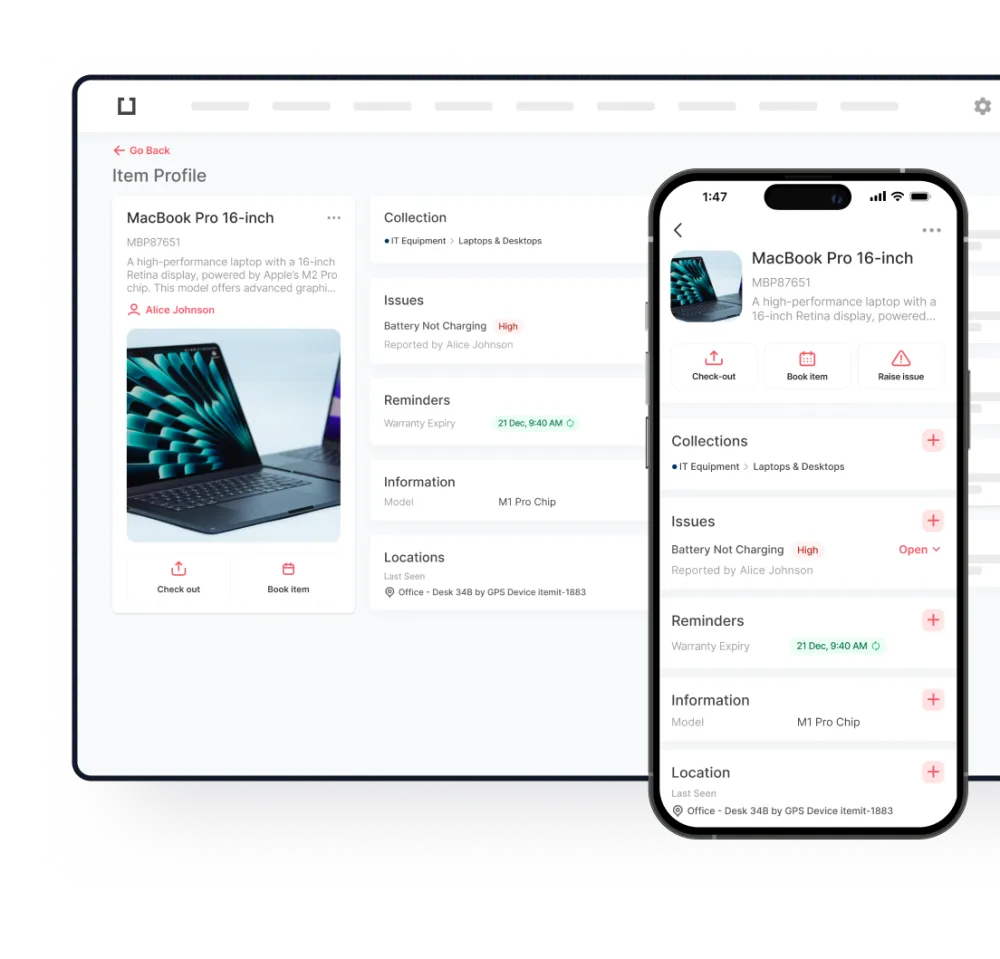
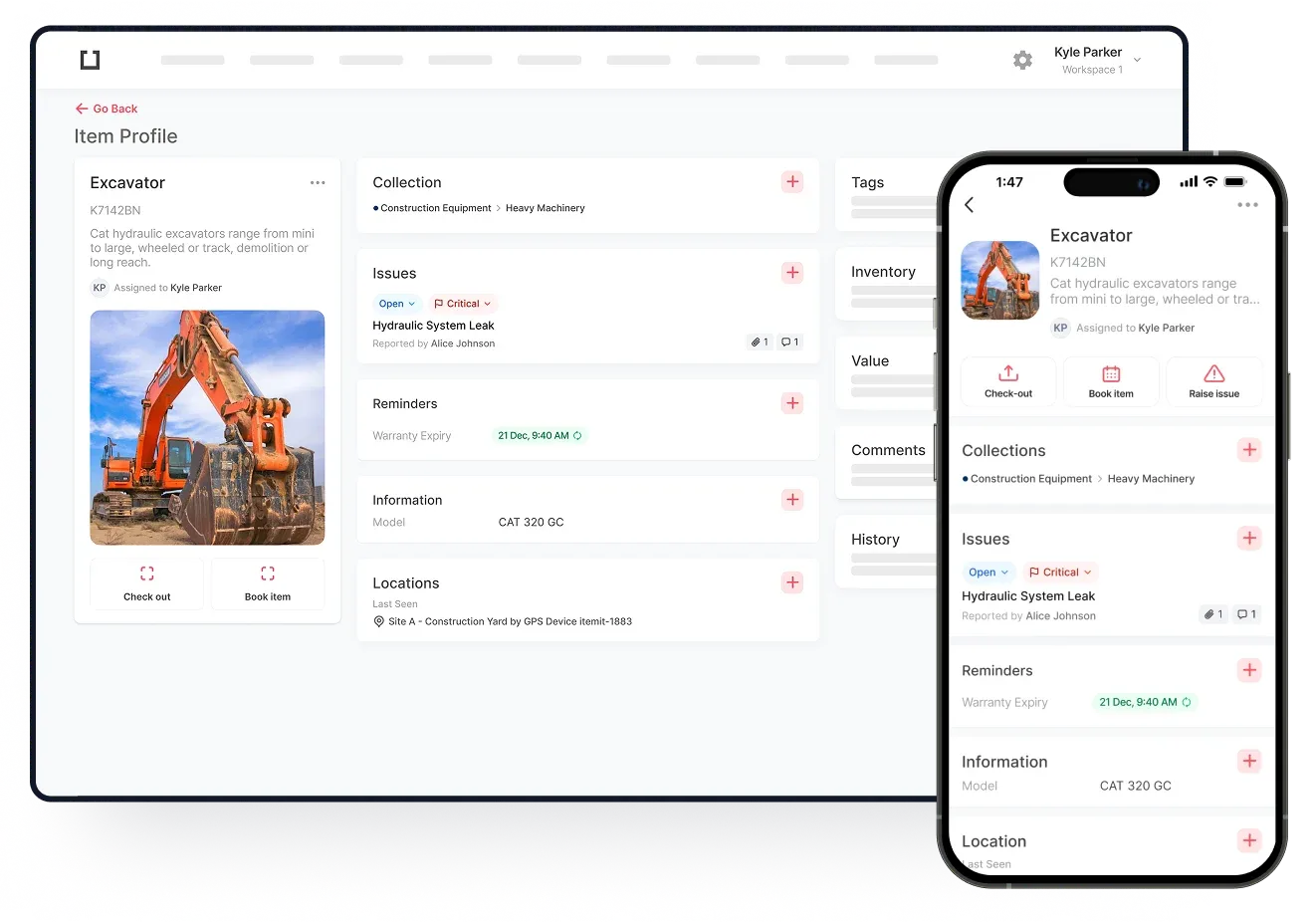
GPS asset tracking works the same way as conventional asset tracking, only with more automation. You will still log unique assets onto a digital register and add data against these assets.
So, for example, if you’re looking for fleet asset management, you’ll be able to log each of your vehicles and add unique information against these profiles. This may be the driver the vehicle is assigned to and the licence plate.
Then, you’ll be able to tag your tools, vehicles and equipment with QR codes or barcode asset tags to speed up your operations. The benefit of QR codes and barcodes is that every time you scan a tag, the asset’s profile will open, ready for instant edits.
The difference is that with QR codes and barcodes, when you scan, the last seen location will update. With GPS tracking tags, however, your assets’ locations will update automatically.
How GPS Tracking Tags Work
So, how exactly do GPS tags work? Let us put it simply. First, you’ll be able to log this as an asset. Then, you’ll be able to stick on a GPS tracking tag and link this to your asset tracking software.
Then, your GPS tracking tags will periodically update. This can be configured, but GPS asset tags need to be charged, so the more frequent the updates, the shorter the battery life.
If you’re tracking your fleet, you’ll be able to plug your GPS tracking tags into your vehicles’ ashtrays, meaning that real-time updates are a possibility. However, with other assets, you can set the updates to be more spread apart, increasing the longevity of the battery life, but still giving you the location data you need.
Additional functionality with GPS tags will include geofencing, meaning that if your assets leave a location, you will be notified of this. Having GPS trackers allows you to make asset retrieval a possibility when assets leave your site, giving you more location accountability over your asset register.
Types of GPS Tracking Tags for Asset Management
The rise of GPS tracking tags has transformed asset management from a manual chore into an automated, real-time process. But the choice of tag isn’t just a matter of slapping on a device and hoping for the best. Each type of GPS tracker serves a unique purpose, and knowing which one to use can save time, money, and headaches. Let's break down the specific types of GPS tracking tags available and how they fit into different business scenarios.
1. Plug-In GPS Trackers: The Workhorses of Fleet Management
Plug-in GPS trackers are a go-to solution for businesses managing vehicle fleets. These devices connect directly to a vehicle’s power supply, often through an OBD-II port or a lighter socket, which means there’s no need to worry about battery life.
Key Features:
- Real-time location tracking with high accuracy.
- Continuous power supply ensures uninterrupted data transmission.
- Ideal for vehicles that are constantly on the move.
2. Portable GPS Tags: Flexible and Multi-Purpose
Portable GPS tags offer flexibility for tracking assets that aren’t confined to a single location. These compact devices are battery-powered and can be attached to various items such as tools, machinery, and even high-value equipment in transit.
Key Features:
- Battery-powered, making them versatile for multiple asset types.
- Configurable update intervals to balance battery life and tracking needs.
- Suitable for both indoor and outdoor use.
3. Long-Life GPS Tags: Designed for Remote Tracking
For assets that are used in remote locations or require infrequent updates, long-life GPS tags are the perfect fit. These tags are built with extended battery capacity, allowing them to send location data periodically over months or even years.
Key Features:
- Long-lasting battery life, often exceeding one year on a single charge.
- Periodic updates to conserve battery while maintaining accountability.
- Rugged and weather-resistant, suitable for harsh environments.
4. Real-Time GPS Trackers: For Critical, Time-Sensitive Assets
Real-time GPS trackers provide continuous, live updates on an asset’s location. These tags are indispensable when time-sensitive tracking is essential, such as for high-value shipments or assets prone to theft.
Key Features:
- Instant location updates, with minimal delay.
- Often equipped with geofencing capabilities to trigger alerts when an asset leaves a predefined area.
- Typically requires a reliable power source or frequent recharging.
5. Hybrid GPS Tags: Combining Technologies for Greater Accuracy
Hybrid GPS tags incorporate multiple location-tracking technologies, such as GPS, Wi-Fi, and Bluetooth, to enhance tracking accuracy and reliability. These tags are particularly useful in urban environments where GPS signals may be obstructed.
Key Features:
- Utilises multiple location technologies for precise tracking.
- Can switch between different tracking modes depending on the environment.
- Minimises blind spots, ensuring consistent tracking in challenging areas.
6. Asset-Specific GPS Tags: Customised for Unique Needs
Some GPS tracking tags are purpose-built for specific types of assets. These might include tags designed for temperature-sensitive goods, marine equipment, or personal tracking devices.
Key Features:
- Tailored to suit particular asset requirements, such as waterproofing or temperature monitoring.
- Often include specialised sensors for additional data collection.
- Provide more than just location data, such as environmental conditions.