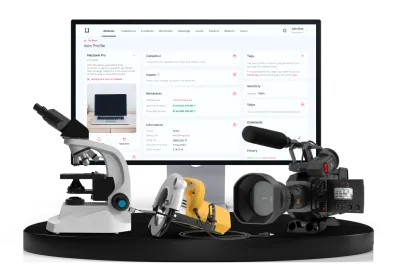
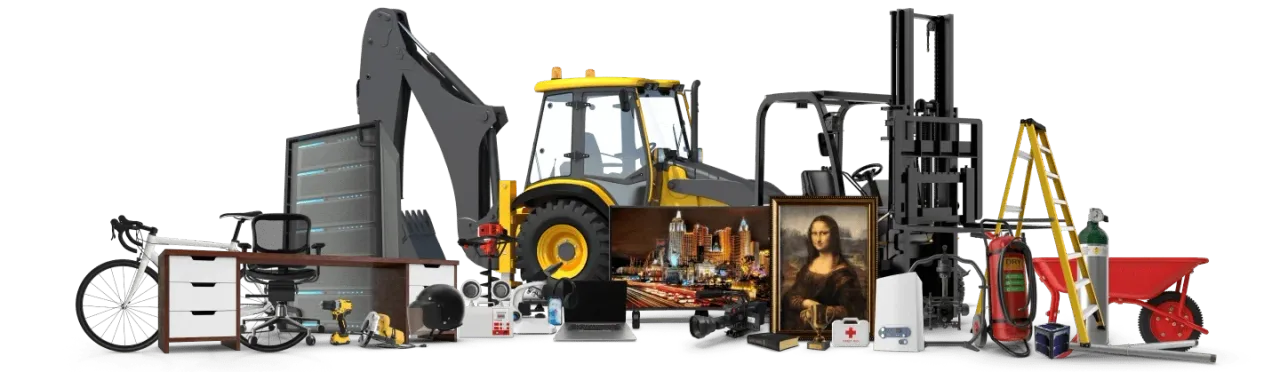
As a business owner, it’s always important for you to maintain and monitor your assets. What if all your asset management was automated, and you could keep track of your assets without putting in much effort? Well, you can achieve that easily. You can track and manage your assets with the help of our fixed asset register.
An asset register organises all the assets owned by your business or company in a neat and easy-to-use online platform. You can enlist your assets and information and track them with a QR code, RFID, or barcode tag.
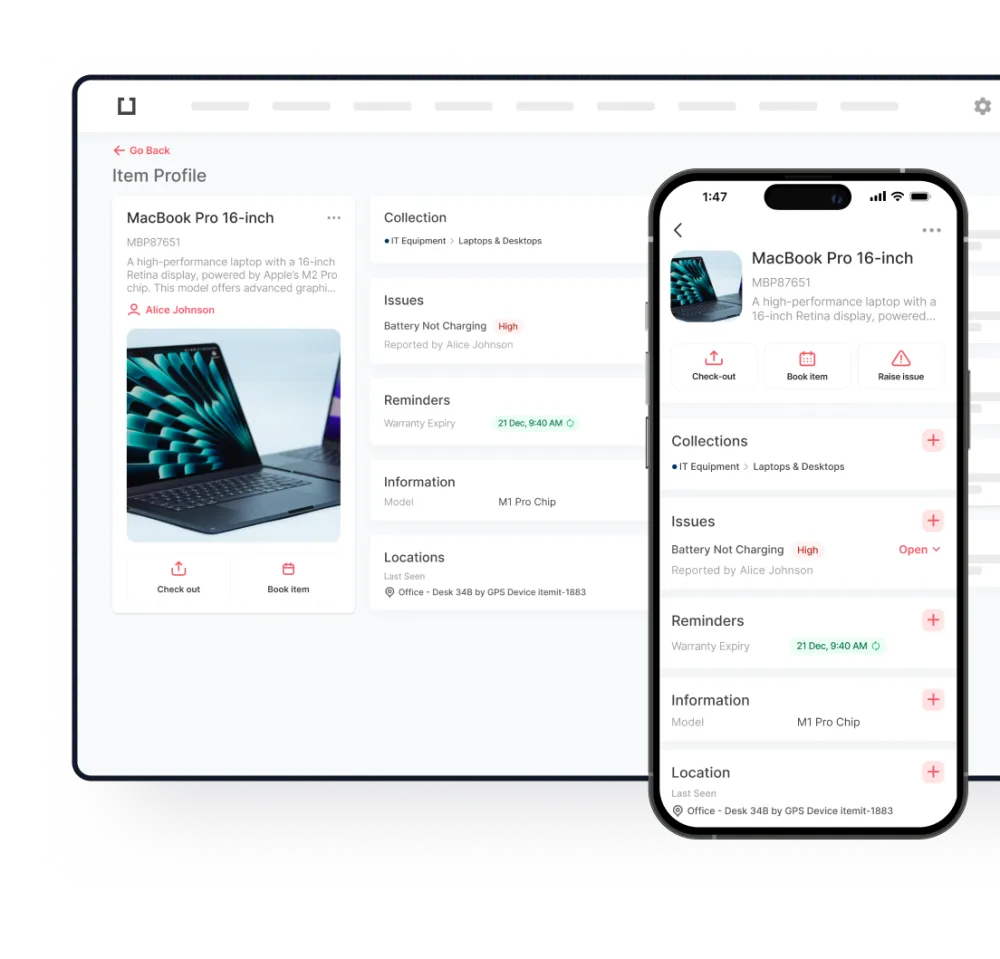
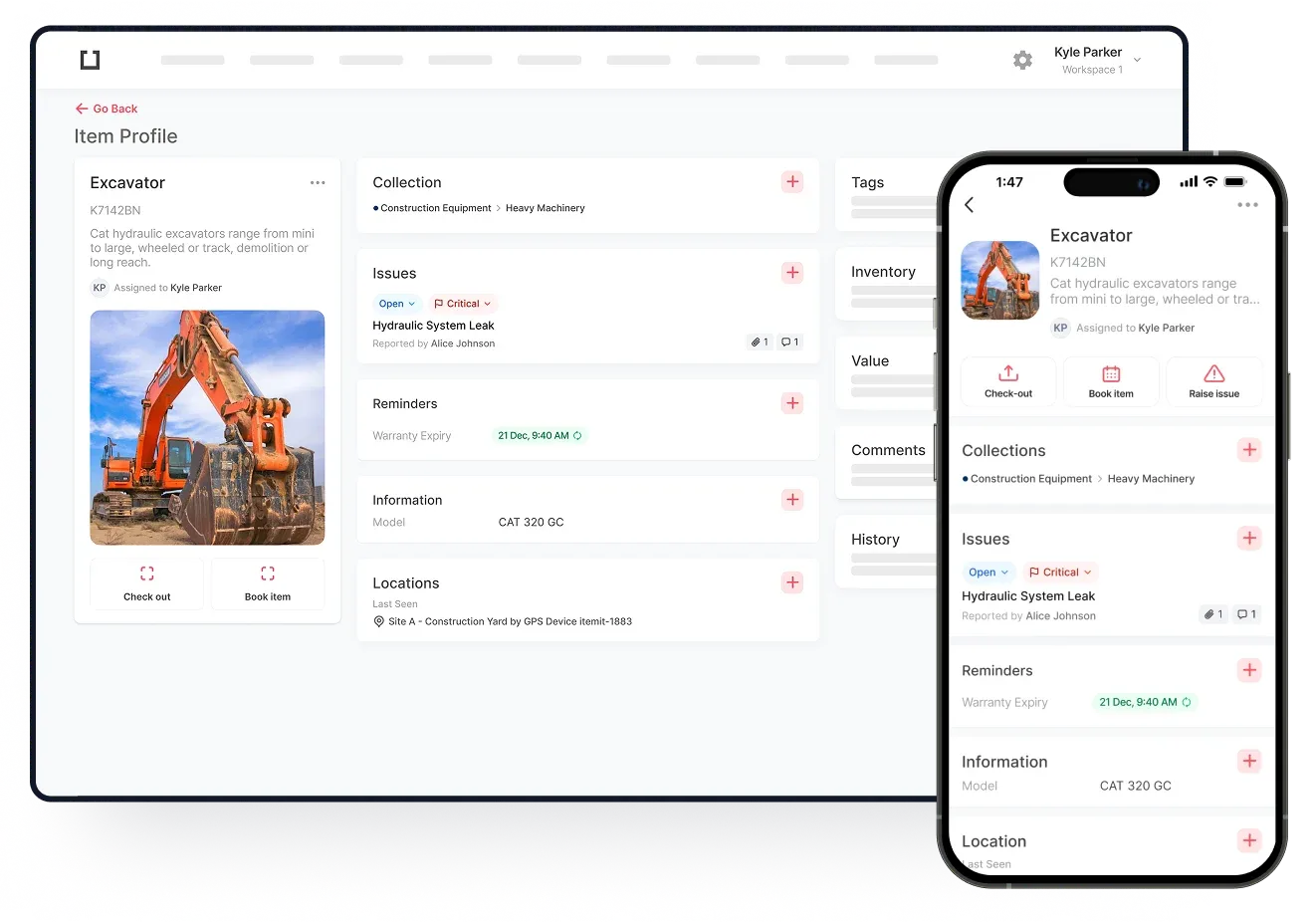
A fixed asset register keeps a record of your valuable assets, and it keeps you informed about their location. itemit provides you with a unique profile and a serial number for your assets, which helps you easily identify them in the fixed asset register.

What Information Does A Fixed Asset Register Contain?
Your fixed asset register contains the following information about your asset.
- Financial and insurance information
- Location
- Purchase information
- Maintenance information
- A description and picture of the product
- Asset name
- History details
A fixed asset register can help you run your business more optimally and keep you updated about your tangible and intangible assets regarding all their essential details.
Calculating Depreciation: While creating a fixed asset register, you have to select a depreciation period of your asset, and it depends on how long this period can go. It is usually related to how valuable your investment is and how long you expect to have it for.
Considering assets’ depreciation is easy when calculating taxes and insurance premiums. You can also easily identify ghost and zombie assets and drop assets if they’re not adding any value to your business to minimize leakages.
 Watch video
How To Create A Fixed Asset Register?
So, to enjoy these features, first, you have to create a fixed asset register. itemit is an asset management software that provides various asset tracking tools and can quickly help you create a fixed asset register.
You need to follow the following steps to set up a fixed asset register:
- Choose your assets and then provide all the information about them that can be helpful in tax management, finances, and tracking.
- Use tracking tags for your assets according to your ease, like RFID or QR codes.
- Select a depreciation period for your asset. You can choose it by estimating how long you will use this asset and how long it will last.
- Start monitoring your assets. It will improve your asset tracking and give you accurate results for your asset.
What Are The Benefits Of Using A Fixed Asset Register?
Having a fixed asset register can prove to be a worthwhile decision for your business. You and your business can avail of the following benefits with itemit’s fixed asset register.
1. All your asset data in one place: After signing in to itemit, you can transfer all your required assets into one accurate asset register. You can add any asset, from your IT hardware vehicles to buildings and real estate. Once you log in, you can easily see all your asset-related information on the software. Data stored in one asset register makes asset tracking much more effortless than having multiple asset profiles stored in numerous spreadsheets.
2. Complete and accurate information: Our fixed asset management software keeps a record and tracks the value of your assets. It also provides comprehensive information about your investment's status, history, and location. Besides this, it also informs you about the condition and maintenance of your assets.
3. Accounting Details: It might be a hassle to record your asset depreciation and tax reports. The fixed asset register calculates annual depreciation and forecasts the value and profit your asset delivers. It also upgrades the asset based on its performance and replaces it without adding value to your business.
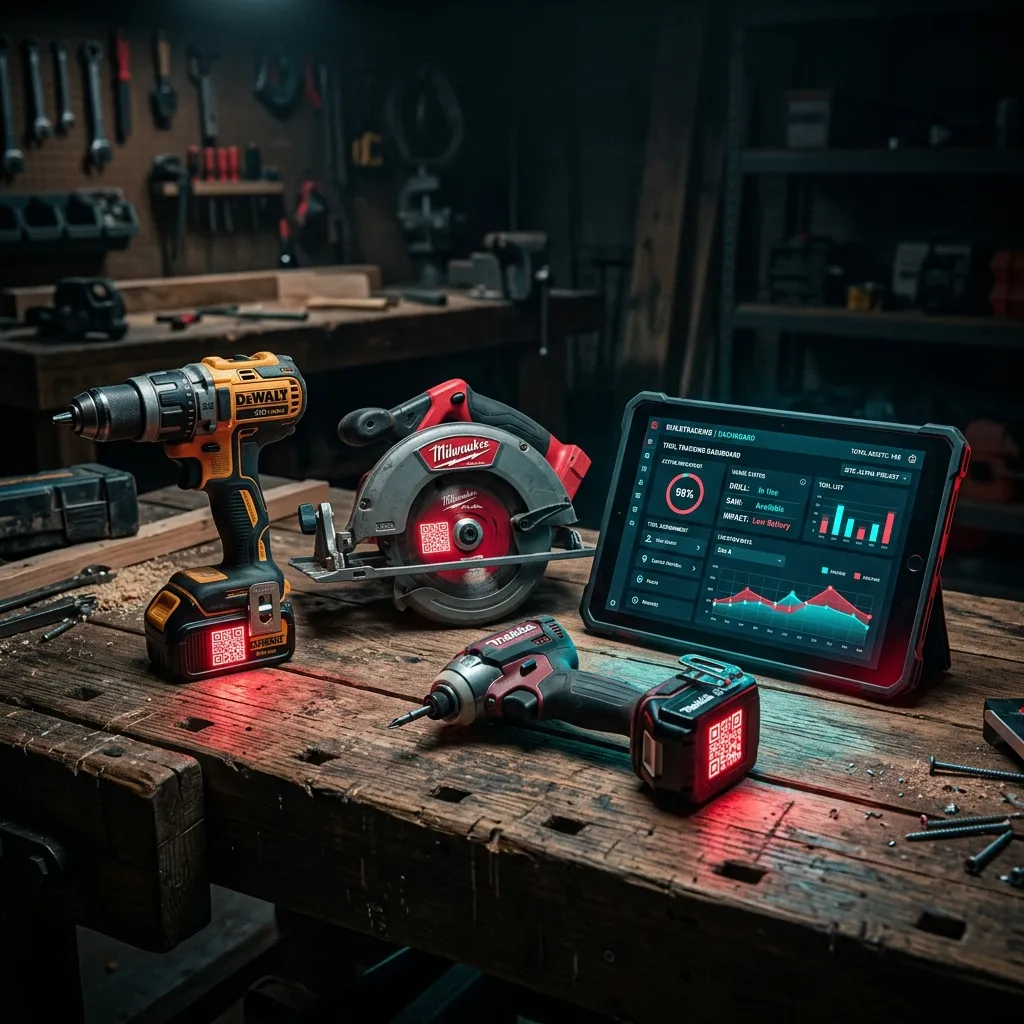
4. Fixed Asset Tagging: You need tagging on your assets to track them. itemit also helps you By providing an in-built tagging system like QR codes and barcodes, which keeps asset tracking more accessible. You select tags and register your asset.
5. Serial Numbers: Fixed asset registers provide a unique serial number to each asset. These serial numbers help you identify them and locate precisely where your assets are. Moreover, it reduces the threat of assets being lost or stolen, and in this way, you can save yourself from extra expenditures.
6. Check in\check out: Fixed asset register provides the facility of check-in and checks out of your asset. You can ultimately know where your asset is and how it is working.
 Watch video
Conclusion
itemit asset management software provides all these benefits that you can quickly grab. It can help you to effectively manage your assets and share the record with your colleagues.
Spreadsheets are outdated and can cause frustration. So instead of using the spreadsheet method to manage and track your business, use itemit to save your time and money. Moreover, we consider our client's requirements when it comes to asset tracking.
We are optimistic that the information in this article about the fixed asset register helped you, and you are now ready to handle your fixed asset in a better and more effective way.
For more information, feel free to visit itemit. You can also contact us at team@itemit.com to learn more about how a fixed asset register can help you.
You can also fill out the form below to start your free trial of the fixed asset register and enjoy our tracking services.