Now more than ever it is essential that you track your school's assets. There has always been a need for asset tracking in schools, as otherwise, your equipment is more likely to become unaccounted for or miss crucial maintenance dates, such as PAT tests.
However, now there is a need to report maintenance in a hands-free way to keep students and staff safe. This is why you need an effective asset tracking app that allows you to create, manage and update a school fixed asset register on the fly.
This saves everyone time, too, and reduces disruptions in lessons due to the speed you can manage your assets at. Automated asset tracking is the best way to save time and money on your equipment and critical teaching tools, while also extending their usage.

What Is A School Fixed Asset Register?
A school fixed asset register is a list of all of your school's critical assets and data related to them. You may already have this in the form of a spreadsheet, but it's a way you can monitor what you own and keep track of crucial maintenance dates.
In essence, a fixed asset register is a place where you can house your information. If it is in the form of a spreadsheet, each row will be an asset, such as a laptop, and each column will have a piece of data related to it, such as whether it needs a PAT test or not.
Therefore, it quickly becomes clear why spreadsheets become unfeasible when it comes to tracking your assets. If you think of a laptop and then think about all of the data you need to track against that laptop, you can see that quickly you have many, many columns. These will include warranty dates, purchase information, depreciation data, maintenance dates, user information and more. Then, think about how many laptops you have and need to track.
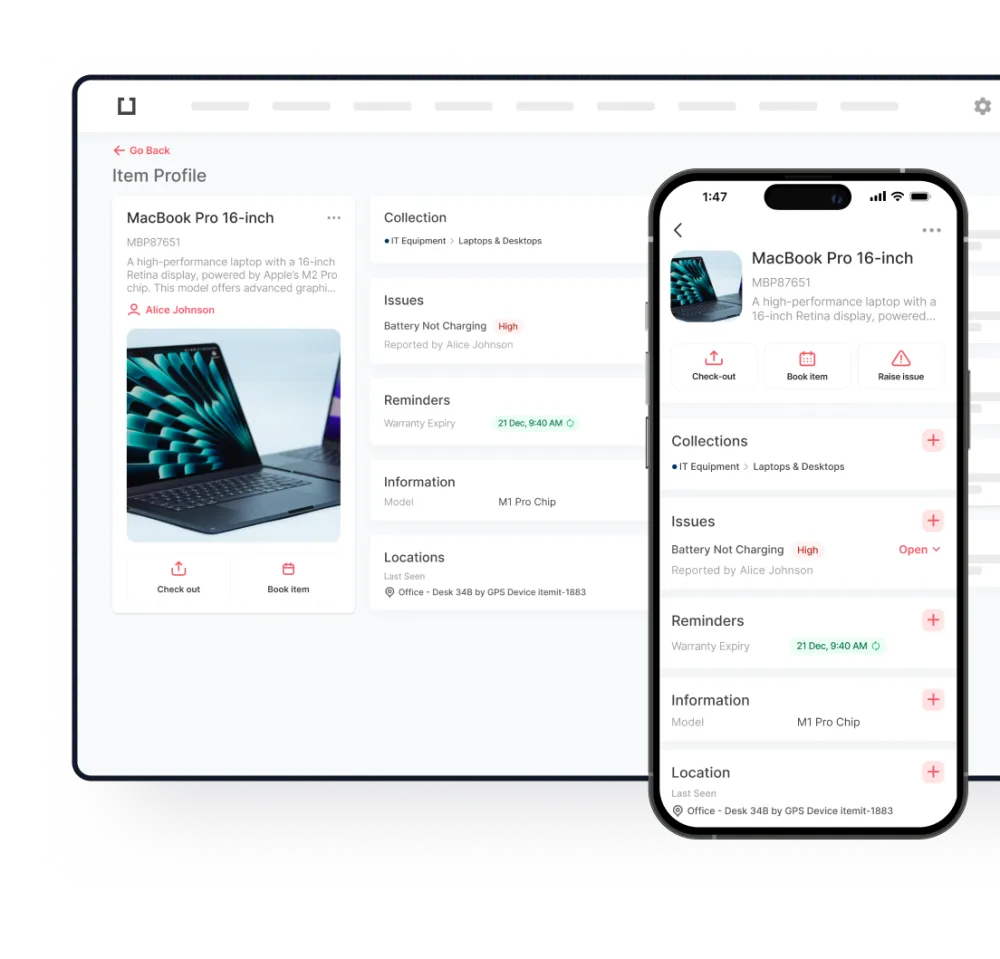
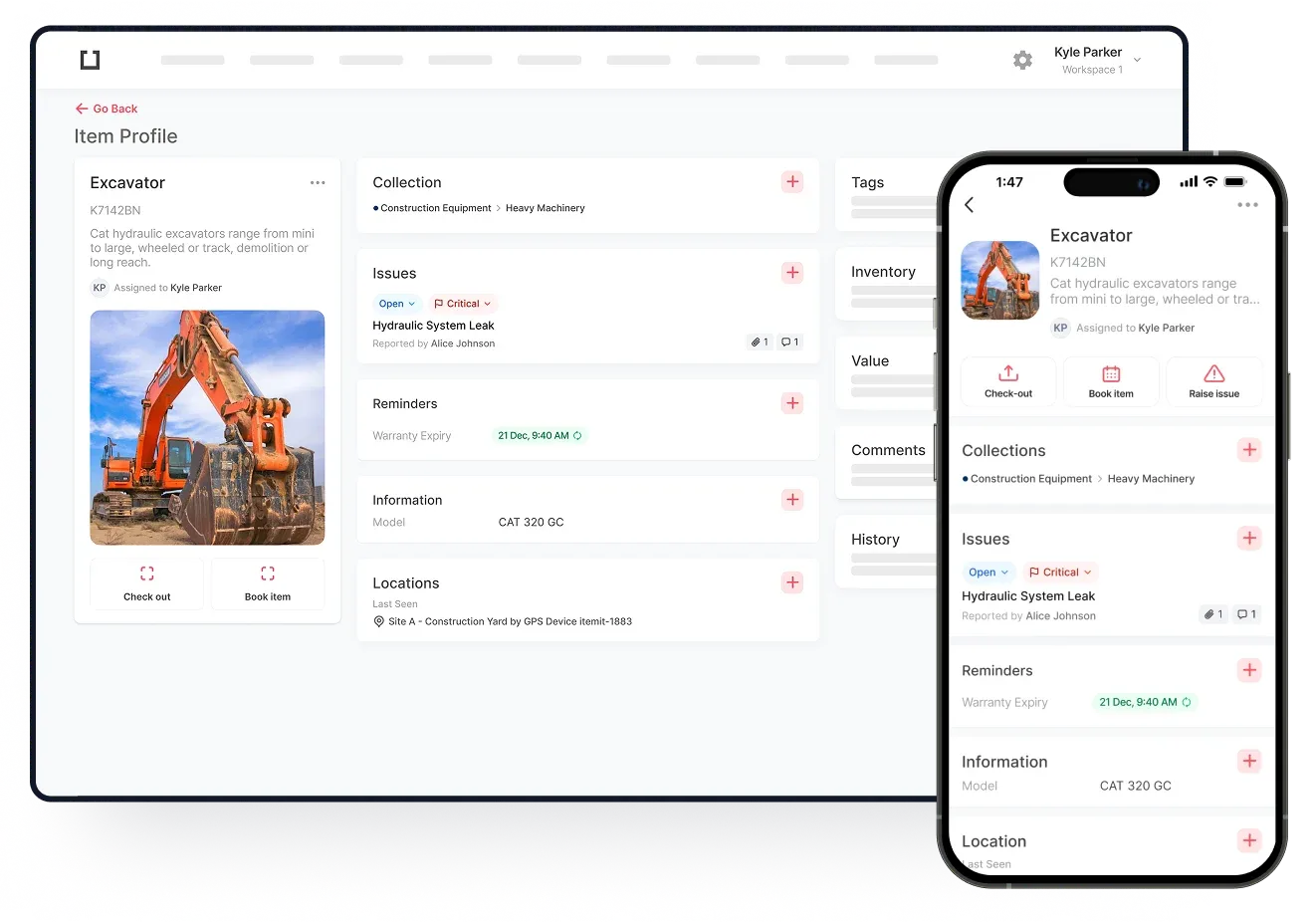
This is where asset tracking software and asset tags come in. With asset tracking software, instead of adding an insurmountable amount of data against all of your assets, you can add data to each of your assets individually. You can then add filters on reports to find specific things, such as maintenance dates as all of the data you add individually against assets gets pulled into an automated fixed asset register.