A fixed asset register provides you with an accurate way to view your assets and information related to them. The best fixed asset registers are fluid and streamlined and have a system behind them that automatically updates their data.
This is where you save the most money, with accuracy and accountability. Therefore, a snapshot of your assets won't help when it comes to the intricacies of tax and insurance, but an automated, streamlined asset register will.
So, how does an effective fixed asset register help save you money?

Provide Accurate Asset Records
First and foremost, your fixed asset register is used to show a business record of the fixed assets you own. This is immediately helpful as it immediately reduces the risk of duplicate purchases, for example.
So, even without any asset-specific data added, a fixed asset register already saves you money as just a log of what you own by allowing you to cross-check your business' belongings against purchases.
In the same vein, accurate asset data is also usable. When you start adding columns of pricing information and warranty dates and maintenance histories and placing that against assets, you can use this data in other ways to extend asset life and usage.
This is why it's critical to use a system that keeps your assets up to date. Any time an asset changes, whether it's because it has changed hands or undergone maintenance, your fixed asset register becomes outdated that same instant.
Fixed Asset Management Software Benefits
Fixed asset management software curbs the risk of outdated asset records as it gives multiple people a quick way to keep them up to date. In other words, instead of one person monitoring a spreadsheet for hours a day, you get the ability to update asset data onsite and in an instant.
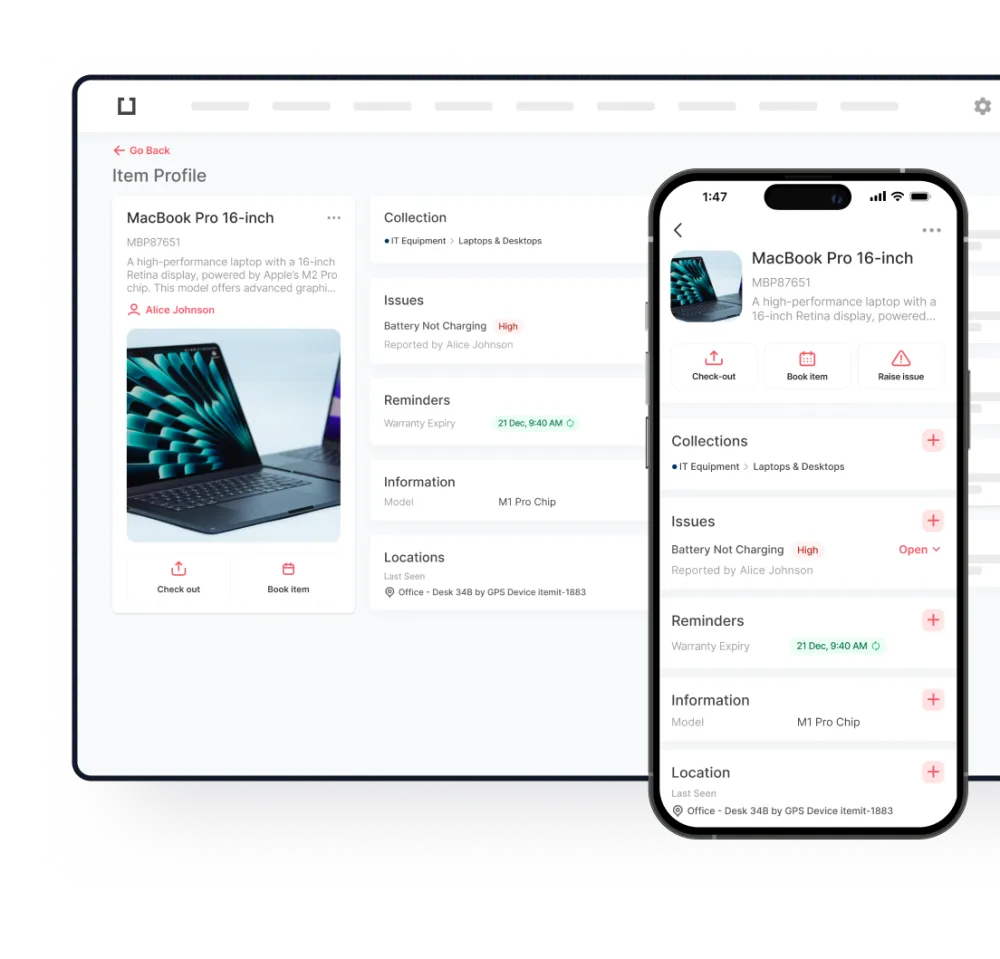
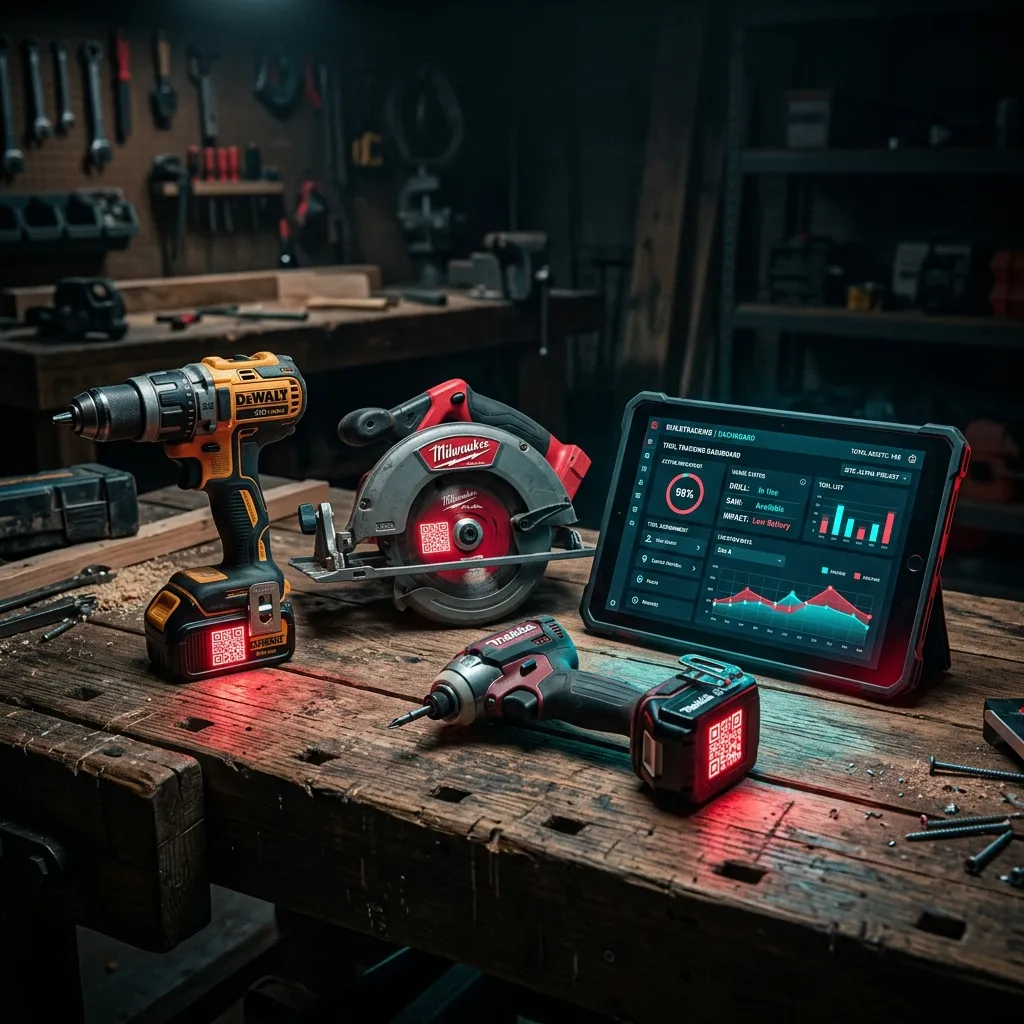
Using fixed asset tags, you can scan your assets into your fixed asset management software. Then, you can continue to use these tags to open up relevant asset profiles, ready for you to report issues, check assets out, add critical information and more.
Every time you scan an asset's tag, the last seen location also updates as well as the user who scanned the tag and the time of the scan. This gives you an audit trail of where all of your assets have been and who has been interacting with them.