Construction projects hemorrhage money. Global losses exceed $1.2 trillion each year when risk management falls short. Building sites now face intricate challenges - from safety hazards to supply chain chaos. Old-school reactive methods can't handle today's project complexity. New technologies and smart planning give construction companies serious advantages. Good risk management turns disasters into minor speed bumps.
Key Takeaways
- Early risk identification significantly reduces project costs through preventive measures and planning
- Technology integration dramatically decreases safety incidents with real-time monitoring systems
- Equipment tracking prevents substantial project delays through predictive maintenance protocols
- Proactive communication eliminates most stakeholder conflicts via structured frameworks
- Digital monitoring systems catch developing issues much faster than manual inspection methods
- Predictive maintenance considerably extends equipment lifespan while reducing unexpected breakdowns
Why Does Early Risk Identification Make or Break Construction Projects?
Smart money gets spent before ground breaks. Projects that dig deep into risk identification during planning show dramatically better results. The construction risk management process kicks off by spotting threats before they explode into budget-busting nightmares.
Understanding the Five Critical Risk Categories
Construction jobs get hit from multiple directions. Safety risks? Worker accidents, equipment going haywire, dangerous site conditions. Financial risks bring budget disasters, cash flow headaches, supplier payment meltdowns. Environmental risks throw curveballs - nasty weather, ground problems, regulation changes. Legal risks spawn contract battles, compliance failures, liability nightmares. Operational risks create scheduling chaos, resource shortages, quality disasters.
Each type needs different handling. Safety risks pack the biggest punch - construction sites see injury rates 50% higher than other industries. Financial problems cascade like dominoes, where one budget issue triggers multiple downstream disasters.
Pre-Construction Assessment Strategies
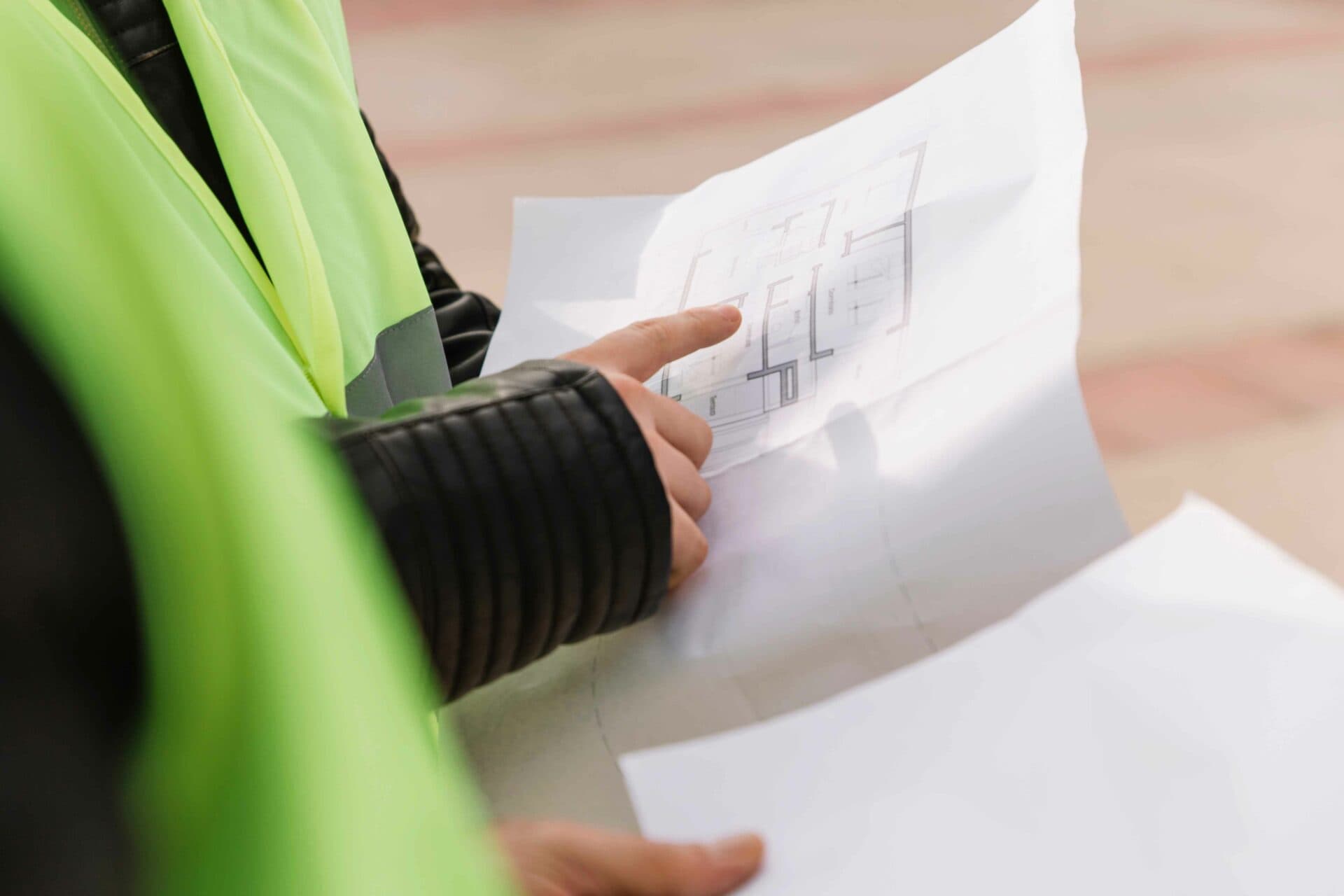
Top-performing project teams run intensive brainstorming sessions with all key players. These collaborative meetings uncover potential problems from different angles, tapping into varied expertise. Site analysis reveals physical challenges - unstable ground, environmental hazards, access nightmares. Regulatory reviews prevent expensive violations and permit delays.
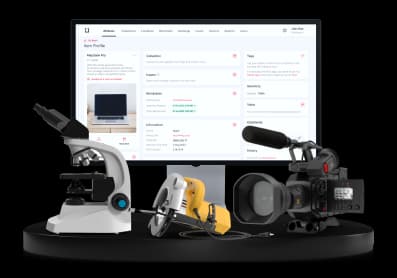
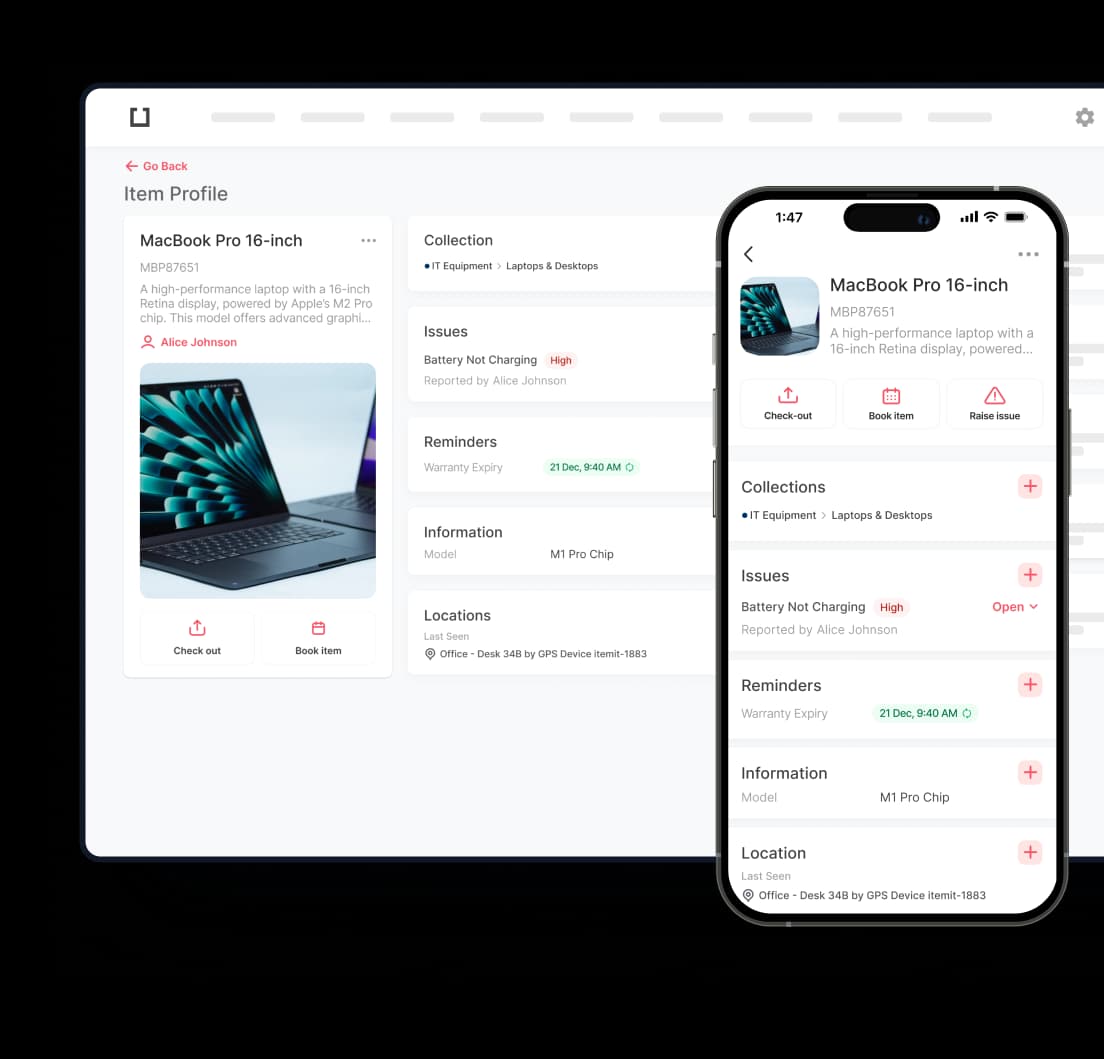
Looking at past projects provides goldmine insights into recurring risk patterns. Teams that document lessons learned build knowledge banks that sharpen future risk identification. Asset Tracking Software delivers project oversight by tracking equipment, materials, and site conditions throughout the entire job.
Building a construction safety management system during planning creates frameworks for ongoing risk watching. These systems weave safety protocols, reporting procedures, and response plans into daily work.
How Can Technology Transform Your Construction Safety Management System?
Digital revolution changes everything about construction safety management. Modern construction technology kicks outdated manual processes to the curb with automated, data-driven solutions. These tools provide unmatched visibility into site conditions and worker safety numbers.
IoT Sensors and Real-Time Hazard Detection
Internet of Things devices create thinking construction sites that continuously watch environmental conditions. Air quality sensors catch dangerous gases, dust particles, and airborne hazards threatening worker health. Temperature and humidity systems prevent heat-related sickness during brutal weather. Noise monitors keep sites compliant with safety standards and local rules.
Common IoT Monitoring Applications:
- Gas leak detection with automatic ventilation system activation
- Structural vibration monitoring for heavy equipment operations
- Wind speed measurement for crane operation safety
- Ground stability sensors preventing cave-ins and collapses
- Radiation detection in renovation and demolition projects
IoT in construction setups blast instant alerts when dangerous conditions develop. Automated systems shut down equipment, activate safety protocols, or clear areas without human input. Real-time data transmission gets supervisors immediate notification of emerging hazards.
Wearable Technology for Worker Protection
Smart wearables turn basic protective equipment into active safety monitoring systems. Heart rate monitors catch physical distress, exhaustion, or medical emergencies before workers drop. Fall detection devices automatically trigger emergency responses when accidents happen. GPS tracking enables rapid location and rescue of injured personnel.
Advanced wearables watch worker fatigue levels, stopping accidents caused by exhaustion or poor judgment. Some devices detect proximity to dangerous equipment or off-limits areas, giving audio warnings to prevent accidents. Integration with site communication systems enables instant coordination between workers, supervisors, and emergency responders.
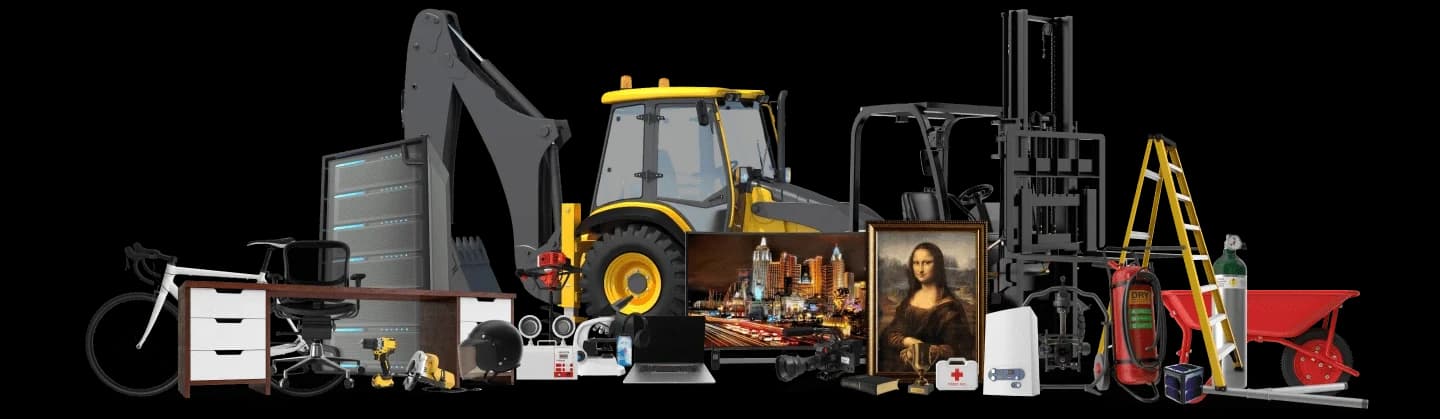
Construction Equipment Tracking boosts safety compliance by monitoring equipment maintenance status, operator certifications, and usage patterns affecting safety performance.
What Role Does Equipment Management Play in Risk Reduction?
Equipment failures wreck construction schedules and budgets. Unplanned downtime hammers construction companies with average costs of $50,000 per day on large projects. Smart equipment management cuts these risks through predictive maintenance, real-time monitoring, and optimized usage.
Predictive Maintenance Through Smart Monitoring
Sensor-equipped machinery feeds continuous performance data that spots developing problems weeks before catastrophic failures. Vibration analysis catches bearing wear, misalignment, and mechanical issues early. Temperature monitoring identifies overheating problems damaging engines and hydraulic systems. Fluid sensors track oil quality, hydraulic pressure, and coolant conditions.
Key Predictive Maintenance Benefits:
- 25-30% reduction in maintenance costs through planned repairs
- 35-45% decrease in equipment downtime periods
- 20-25% extension of equipment lifespan
- 50-70% reduction in catastrophic failure incidents
- 15-20% improvement in fuel efficiency and performance
Machine learning algorithms crunch historical performance data to predict optimal maintenance schedules. These systems consider usage patterns, environmental conditions, and manufacturer recommendations for customized maintenance plans. Automated work orders give technicians advance notice of required services.