Every construction project needs a roadmap. A construction management plan serves as that guiding document, outlining how your team will deliver the project on time, within budget, and to the required quality standards. Without proper planning, even well-funded projects into costly delays and disputes. The right approach converts complex builds into coordinated efforts where everyone knows their role and responsibilities.
Key Takeaways
- A robust construction management plan addresses scope, schedule, budget, quality, and risk across all project phases
- Clear communication protocols and reporting structures prevent misunderstandings that lead to rework
- Integrating technology for asset tracking and resource management reduces administrative burden by up to 40%
- Regular monitoring against baseline metrics allows teams to spot issues before they become expensive problems
- Documentation and lessons learned from each project improve planning accuracy for future builds
The Foundation of What Makes a Plan Work
Construction projects fail for predictable reasons. Unclear objectives. Poor communication. Inadequate resource tracking. Your construction management plan needs to address each potential failure point systematically.
Start by defining project objectives in measurable terms. "Complete the office renovation" lacks precision. "Deliver a 5,000 square metre office space with 150 workstations by March 2026 within a £2.4 million budget" gives your team something concrete to work towards.
Map out every stakeholder with an interest in the project outcome, from clients and end users to local authorities and neighbouring property owners. Each group requires different information at different intervals.
Defining Scope and Deliverables
Scope creep kills budgets and timelines. Your plan must establish boundaries around what the project will and won't include. Create a detailed scope statement that lists every deliverable, from major structural elements down to fixtures and finishes.
Break work down into manageable packages. Use a Work Breakdown Structure (WBS) to divide the project into progressively smaller components. This hierarchy makes it easier to assign responsibility, estimate costs, and track progress. Each work package should have clear acceptance criteria so everyone knows when it's truly complete.
Building Your Schedule and Timeline
Time equals money in construction. Delays ripple through every aspect of your project, affecting labour costs, equipment hire, and contractual penalties. Develop a realistic schedule that accounts for dependencies between tasks and allows contingency for inevitable setbacks.
Critical Path Method (CPM) scheduling helps identify which activities directly impact your completion date. Activities on the critical path need extra attention because any delay here delays the entire project. Monitor these tasks closely and allocate resources to keep them moving.
Build in buffers strategically. Rather than padding every activity, create dedicated time reserves for high risk elements or areas where you have less control. Your construction project plan should acknowledge these realities rather than ignore them.
Resource Allocation and Labour Management
Construction project managers must balance multiple resource types simultaneously. Labour, materials, equipment, and subcontractors all require careful coordination. Resource levelling ensures you don't overcommit teams or leave skilled workers idle.
Create a staffing plan that details required skills and quantities for each project phase. Peak labour periods need advance planning to secure qualified workers, especially for specialised trades.
Equipment scheduling prevents costly downtime. Track when each piece of machinery arrives on site, who's using it, and when it departs. Double booking equipment creates bottlenecks that halt work across multiple crews.
Financial Planning and Budget Control
Cost overruns plague construction projects, but they're not inevitable. Your management plan needs robust financial controls that catch budget issues early. Construction cost management requires ongoing vigilance, not just initial estimates and final accounting.
Establish a baseline budget with line items for every cost category. Track actual costs against this baseline weekly. Variance analysis reveals trends before they become crises.
Cash flow forecasting prevents funding gaps. Plot anticipated costs against expected income from progress payments. Identify periods where you'll need additional working capital.
Change order management protects your budget from uncontrolled scope growth. Every requested change needs documentation covering what's changed, cost impact, schedule impact, and client approval.
Managing Materials and Supplies
Running out of concrete mid-pour or discovering your steel delivery is three weeks late destroys schedules and morale. Material management in construction determines if your project flows smoothly or lurches from crisis to crisis.
Procurement planning starts during project design. Identify long lead items early, like specialised equipment, custom materials, and imported products. Order these well before installation dates to allow for delays or quality issues.
Inventory tracking becomes necessary on larger sites. Knowing what materials you have on hand, where they're stored, and their condition prevents both shortages and wasteful over ordering.
Identifying and Mitigating Risks
Every construction project faces risks. Weather. Labour disputes. Design errors. Regulatory changes. Construction risk management moves beyond hoping everything goes smoothly to actively preparing for what might go wrong.
Conduct a formal risk assessment during planning. Brainstorm potential issues with your team, rating each by likelihood and impact. High probability, high impact risks demand detailed mitigation strategies.
Develop contingency plans for your biggest threats. If your primary supplier goes bankrupt, who's your backup? If key equipment breaks down, where can you source replacements quickly?
Risk registers document identified risks, their severity, mitigation strategies, and ownership. Assign each risk to someone responsible for monitoring and implementing responses.
Quality Control and Assurance
Delivering quality work goes beyond meeting specifications. The real goal involves avoiding costly rework that destroys schedules and budgets. Quality management needs systematic checks throughout construction, not merely final inspections.
Inspection protocols should align with project phases. Foundation inspections before pouring concrete. Framing checks before closing walls. Define hold points where work cannot proceed until specific inspections are complete.
Documentation proves quality compliance. Photographs, test results, material certifications, and inspection reports create an audit trail that protects you from warranty claims and provides evidence if disputes arise.
Leveraging Technology for Asset and Equipment Tracking
Modern construction projects generate massive amounts of data. Equipment locations. Tool inventories. Material deliveries. Inspection reports. Managing this information with spreadsheets and paper forms creates inefficiencies and errors that undermine even the best planning.
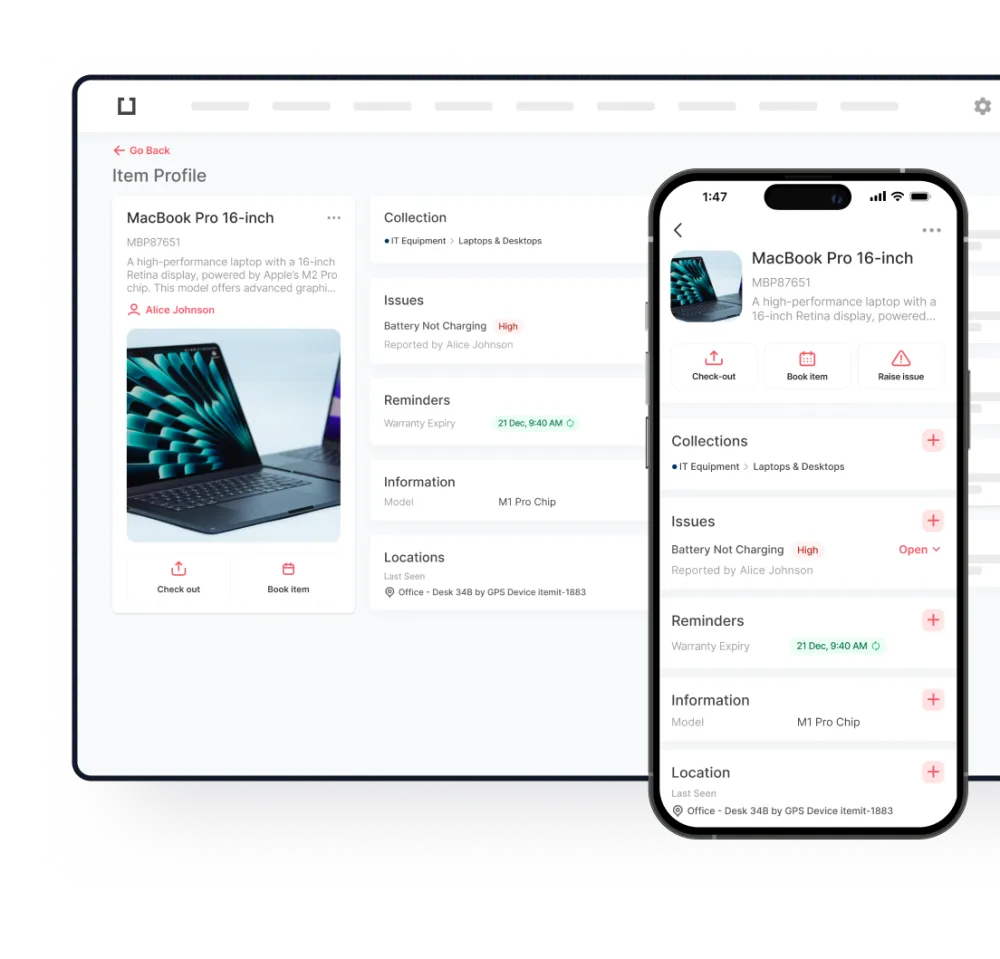
Construction asset management software changes how teams track resources across sites. Mobile scanning of QR codes or barcodes lets workers check out tools, record equipment usage, and update asset locations in seconds. This real time visibility prevents equipment from going missing and ensures the right resources reach the right crews.
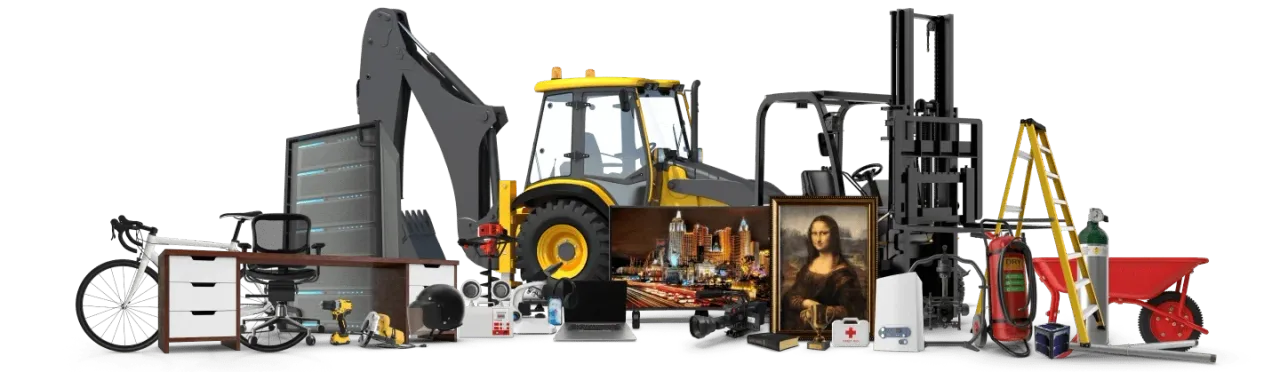
Itemit's platform addresses these coordination challenges directly. The system lets construction teams tag physical assets, from excavators and generators down to power tools and safety equipment, with QR codes that workers scan using mobile devices. This creates an accurate, real time record of what equipment is where, who's using it, and its current condition.
The offline functionality proves particularly valuable on construction sites where network connectivity can be unreliable. Workers update asset information even without live internet access, with data synchronising automatically once connection resumes. This ensures tracking continues uninterrupted regardless of site conditions.
For construction project managers juggling multiple sites, itemit provides centralised visibility across the entire equipment fleet. You can instantly see which tools are at Site A versus Site B, identify underutilised assets that could be redeployed, and schedule preventive maintenance before breakdowns cause delays. The system sends automated reminders for equipment inspections, calibrations, and certifications, reducing the administrative burden on already busy site teams.
This technology driven approach delivers measurable improvements in accuracy and efficiency. Projects using asset tracking typically see 30 to 40 percent reductions in time spent locating equipment, fewer instances of tools being purchased unnecessarily because existing inventory couldn't be found, and better accountability that minimises theft and loss. Labour costs decrease as workers spend their time building rather than searching for missing items.
The bulk operations capabilities handle the scale of construction projects efficiently. Rather than tagging and entering hundreds of assets individually, quick add functions let you register multiple similar items simultaneously. Bulk moves transfer entire equipment sets between sites with just a few taps.

Establishing Communication and Reporting Structures
Information flow determines if your team operates as a coordinated unit or a collection of confused individuals. Your construction management plan must define who communicates what to whom, and when.
Regular progress meetings keep everyone aligned. Daily toolbox talks at the site level. Weekly coordination meetings with trade contractors. Monthly stakeholder updates for clients and leadership.
Reporting templates standardise information sharing. Progress reports should cover schedule status, budget variance, quality issues, safety incidents, and upcoming milestones consistently.
Creating a brilliant plan means nothing if you don't track how reality compares to your projections. Construction monitoring separates effective project managers from those constantly surprised by problems that were visible weeks earlier.
Earned Value Management (EVM) provides objective performance measurement. By comparing budgeted costs for work scheduled, budgeted costs for work performed, and actual costs incurred, EVM reveals if you're ahead or behind schedule and over or under budget. These metrics give early warning of trajectory problems.
Key Performance Indicators (KPIs) measure what matters most to your project success. Schedule Performance Index, Cost Performance Index, defect rates, safety incident frequency, labour productivity. Choose metrics aligned with your project priorities. Track these consistently and investigate when they drift outside acceptable ranges.
Adapting to Changes and Variations
No plan survives contact with reality unchanged. Client requests evolve. Site conditions differ from surveys. Your construction project plan needs mechanisms for controlled adaptation rather than chaos.
Change management processes balance flexibility with control. Establish authority levels for which changes the site supervisor can approve versus those requiring client sign off. Document every modification with impact assessments covering cost, schedule, quality, and risk.
As built documentation records what actually got built versus original plans. This becomes invaluable for facilities management after project completion.
Safety Planning and Compliance
Construction site safety goes beyond being an ethical obligation. It's a project management necessity. Accidents halt work, trigger investigations, increase insurance costs, and expose organisations to legal liability.
Site specific safety plans address the unique hazards of your project. Working at height, excavation risks, heavy equipment operation, hazardous materials. Safety inductions ensure every worker knows these controls before starting work.
Emergency response procedures prepare teams for incidents. Evacuation routes, assembly points, first aid provisions. Conduct drills so people react appropriately under stress.
Documentation and Record Keeping
Construction projects generate mountains of paperwork. Contracts, drawings, specifications, submittals, RFIs, change orders, inspection reports. Your management plan needs systems for organising documentation so information remains accessible.
Document control procedures prevent version confusion. Outdated drawings lead to incorrect installations requiring expensive rework. Implement clear naming conventions, revision tracking, and distribution logs.
Turning Plans Into Project Success
Construction projects succeed or fail based on decisions made during the planning phase. A thoughtful construction management plan provides the framework for those decisions, turning complex builds from overwhelming challenges into manageable sequences of coordinated activities. The most successful project managers don't create plans and file them away. They use them as dynamic tools, adapting to changing conditions while maintaining focus on core objectives that define project success.