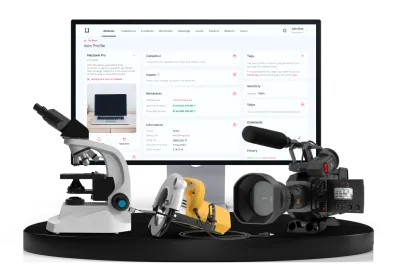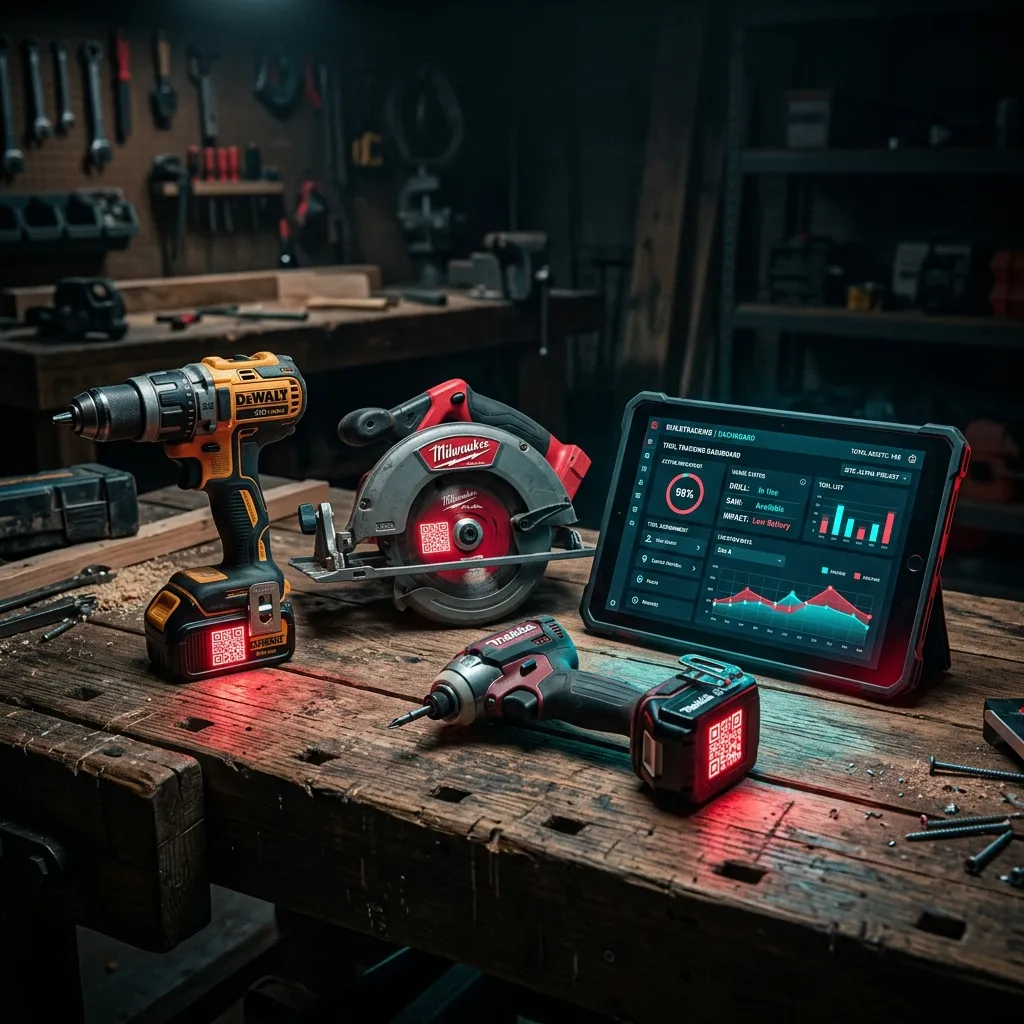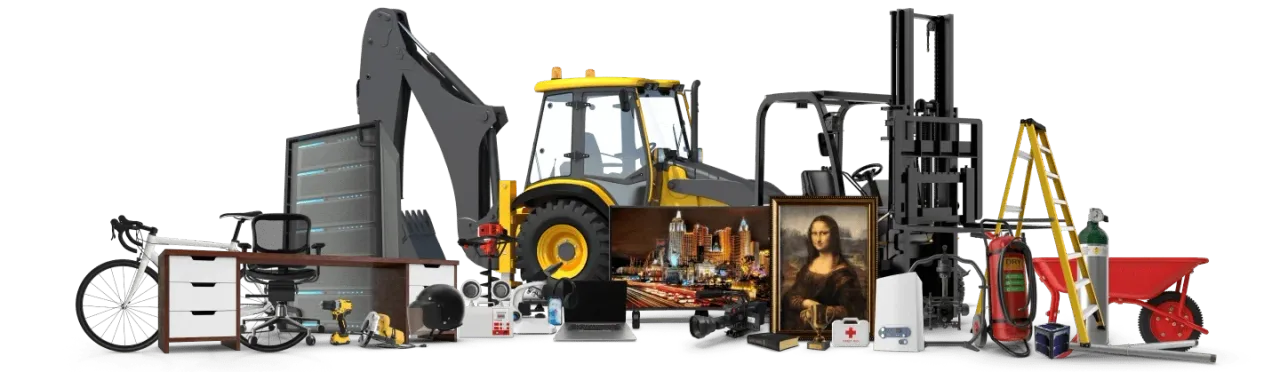
Check in check out software gives you a clear view of who is using your assets and when they're due back. Therefore, whether you're using the system for school asset management, construction equipment tracking, or fixed asset management, you can benefit from knowing where your assets are and who with.
These features are helpful for all businesses in any industry. For example, if you're using asset tracking software for equipment tracking in film and television, check in check out software lets you track your kit when it's on location and create reports of which kit needs to be returned.

How Does Check In Check Out Software Work?
Check in check out software lets you log unique assets and add data to them. So, for example, if you're using your system for IT asset management, you'll be able to log each of your laptops onto the system.
The reason this is so helpful is as you'll be able to track unique, granular information. This is similar to a spreadsheet, where each row will be an asset and each column will be a bit of data. However, this is an unwieldy system as every time an asset undergoes a change, the spreadsheet becomes out of date.
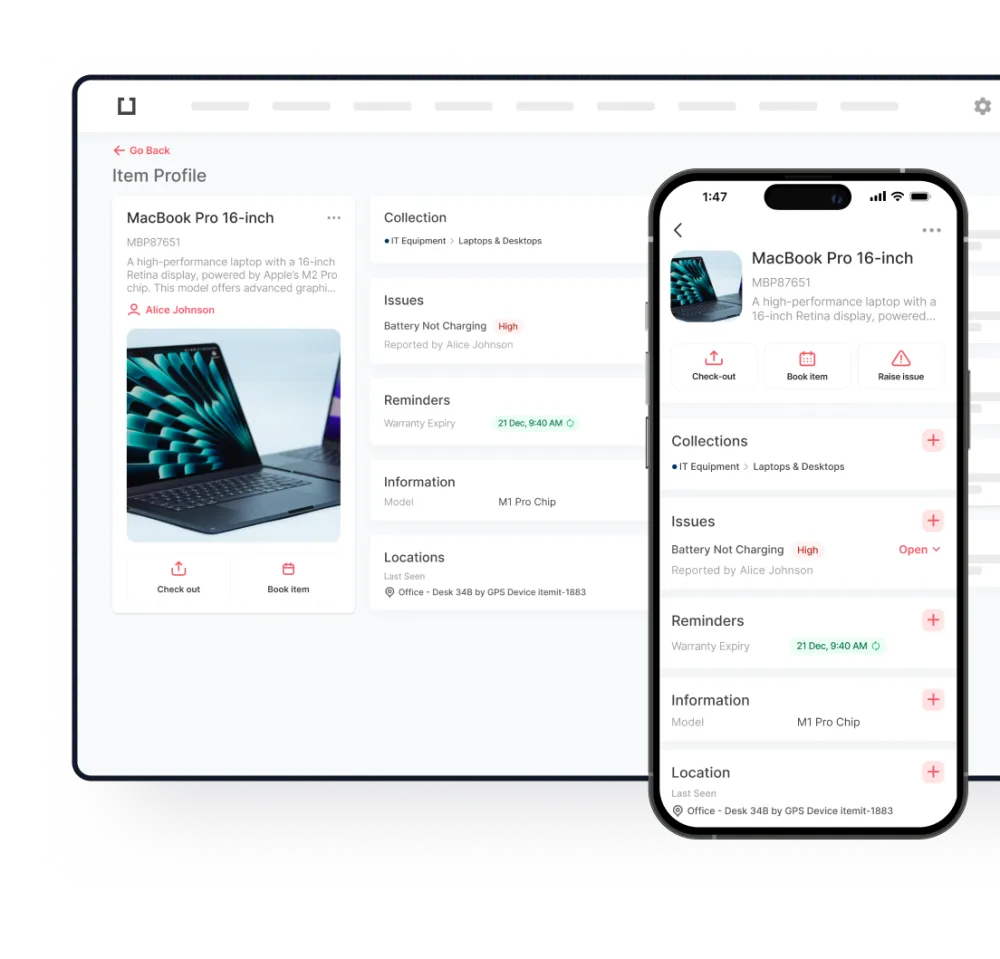
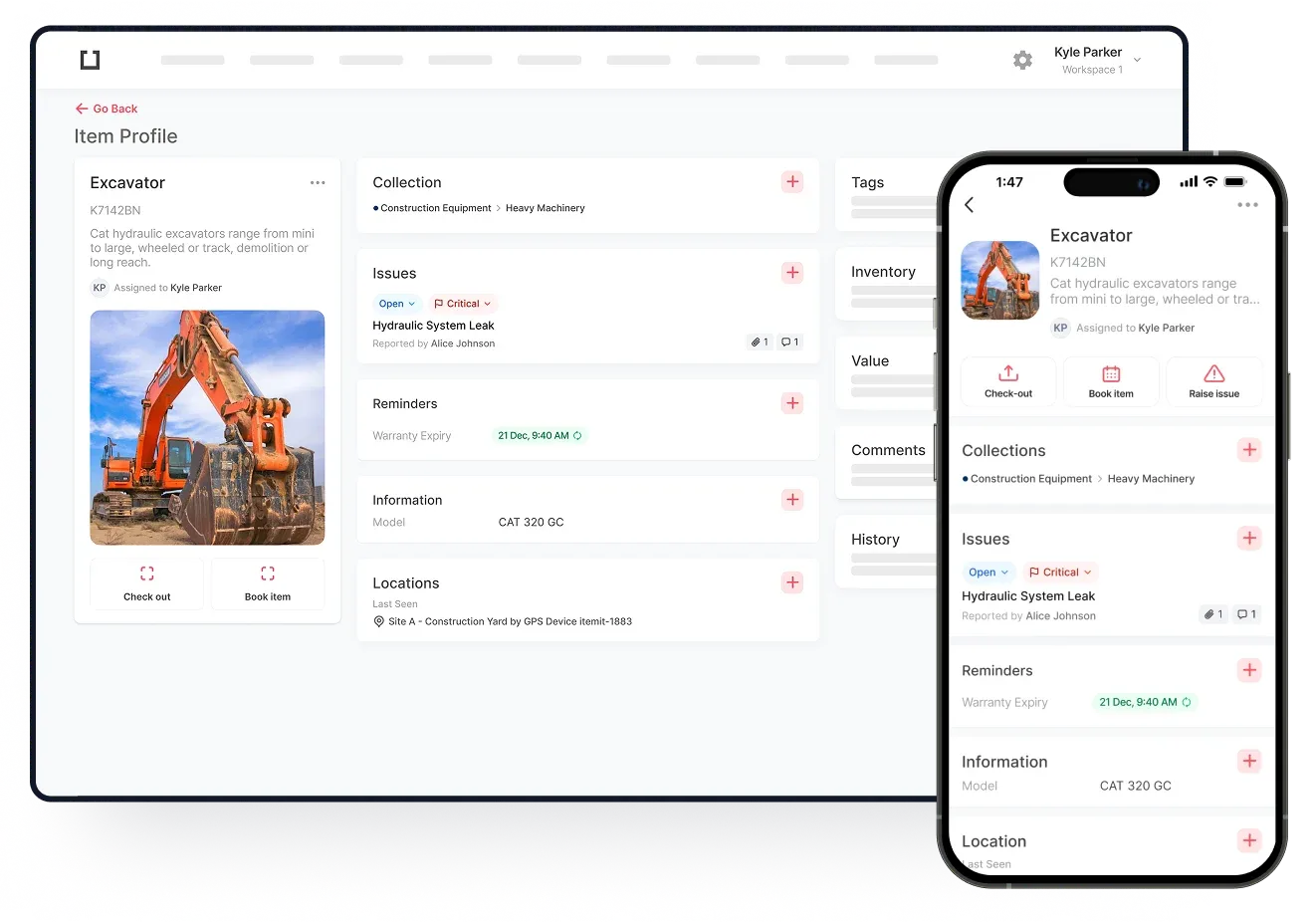
Once you've logged your unique assets, you'll be able to use helpful features within their asset profiles. This includes equipment booking information to show who has your assets and when they're due back.
 Watch video
With your software, you'll be able to log bookings in advance. This allows you to see when your assets will be unavailable and can, therefore, also be used to log when routine maintenance will be occurring.
When it's time for the booking to commence, you'll be able to check out your asset, showing how long the asset will be gone for. Each of these actions has an automated email associated, meaning when the asset is due back you will be notified.