As you can tailor asset tracking software to your industry and use case, if you're in the construction industry, you can benefit from a suite of features including equipment booking capabilities and location tracking.
Overall, construction equipment tracking software helps save you time and money by improving your operations.
Which Industries Can Use Asset Tracking Software?
All businesses have assets. This is why the core of asset tracking software is the ability to log unique assets and add unique data against these assets.
In other words, if a company wishes to track their office's assets, they can use the system as an IT asset management software and as a fixed asset register software.
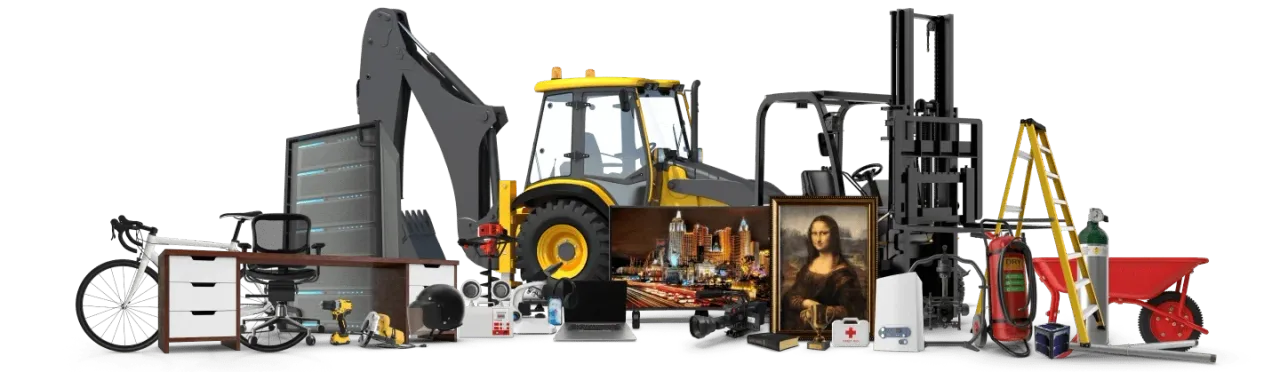
Why is this relevant to construction? As the construction industry has one of the biggest overlaps in terms of asset tracking needs. Construction companies will have equipment, tools, IT assets and fixed assets, and all must be tracked effectively.
This is why it's helpful to note that asset tracking software can be used in any industry, as the ways many industries use the software are applicable to a construction equipment tracking use case.
Using Asset Tags To Track Tools And Equipment
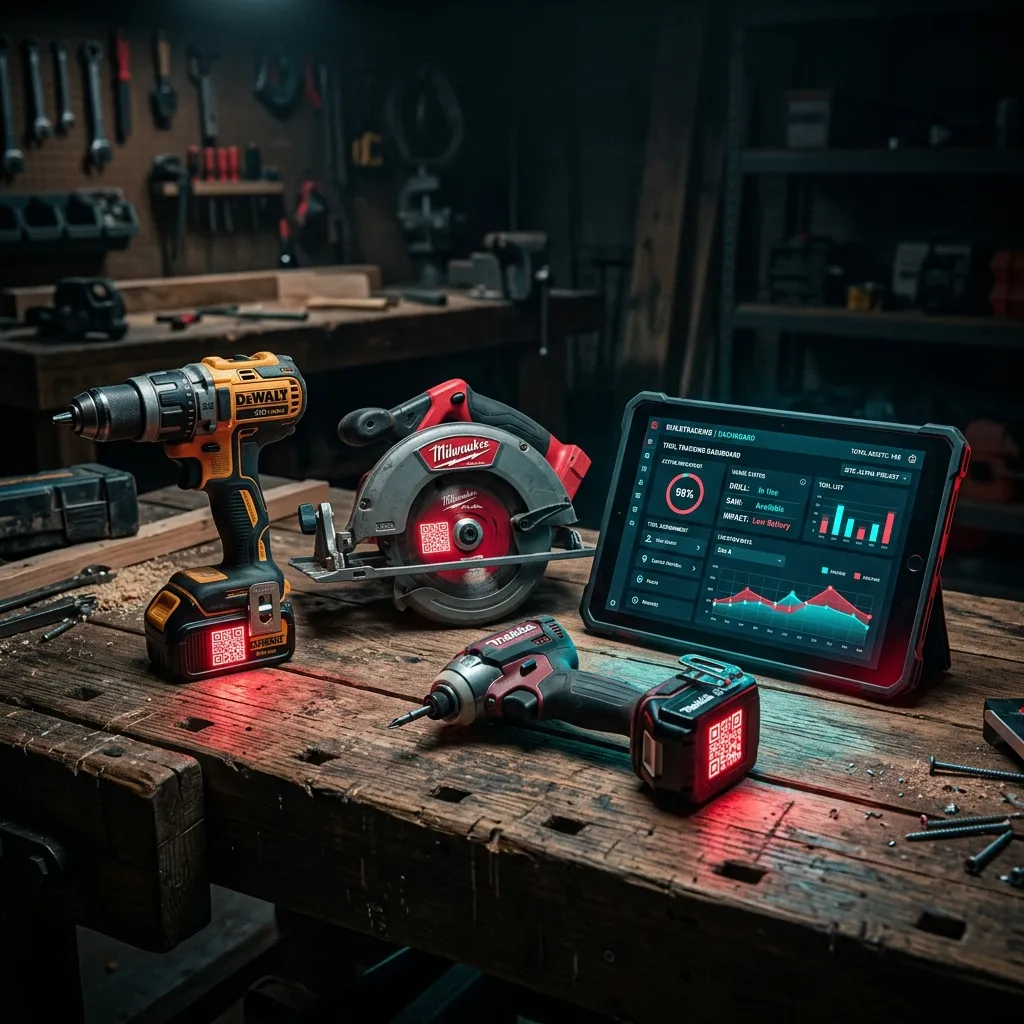
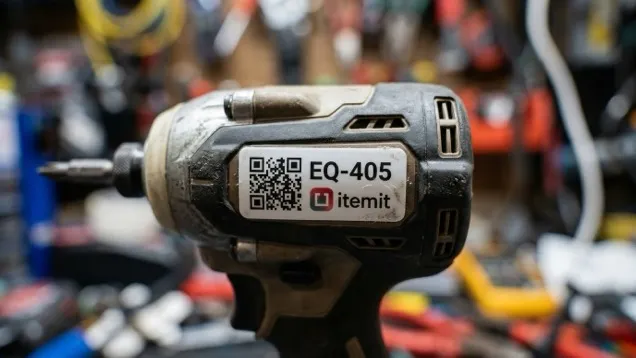
Asset tags improve your asset tracking operations. Asset tags are physical tags that you stick onto your tools and equipment. Then, you can scan these tags into your asset management system.
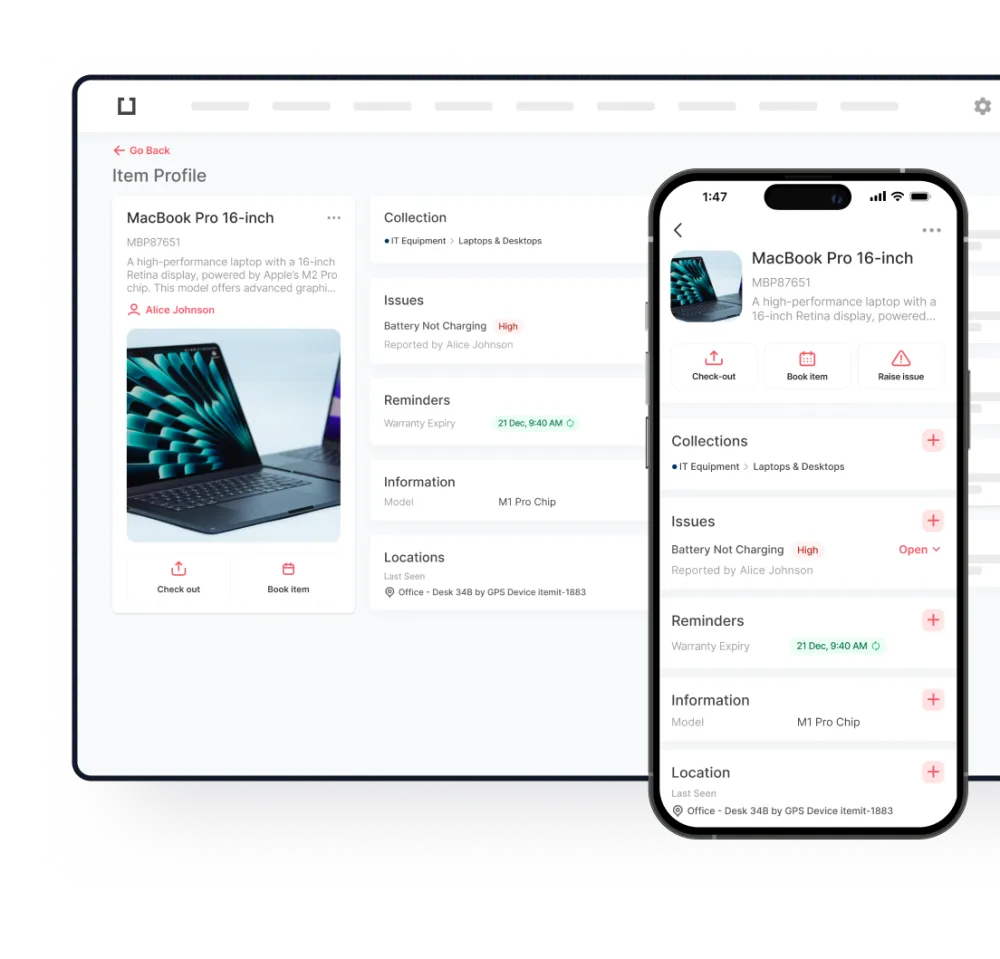
Every time you scan an asset's tag, the asset's last seen location updates, the user who scanned the tag is logged and a timestamp is created. This gives you a full audit trail of your asset interactions.
The other benefit is that every scan opens up an asset's profile. Therefore, if you've logged that an asset requires routine maintenance, you can scan the tag and log the change in an instant.