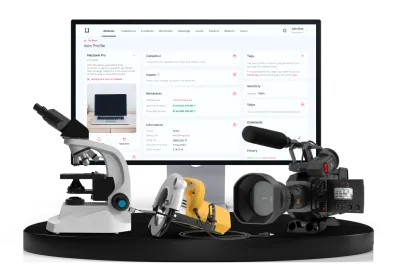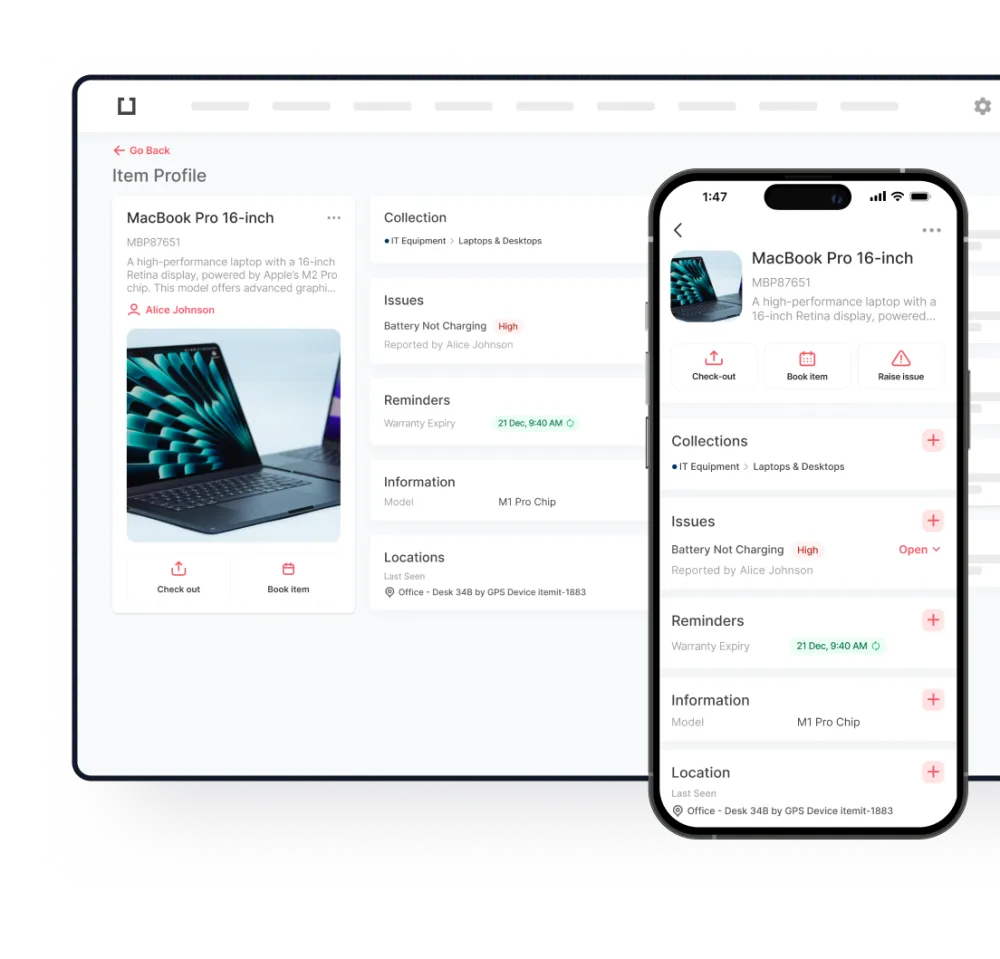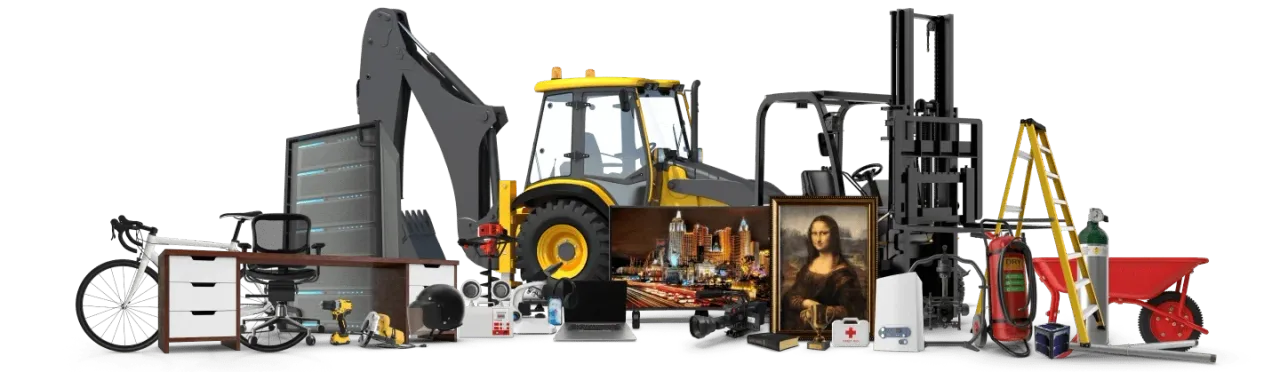
Then, asset tags work by linking your assets to corresponding digital profiles. In other words, they link your physical assets with digital twins of them, meaning that every time you scan an asset's tag, the corresponding profile is retrieved.

Setting Up Asset Tags
First of all, you need to set up your asset tags. You do this by using an asset management system with an integrated asset tracking app. Each tag needs an asset, so you will need to set up your asset register.
There should be some speed improvements and benefits with your asset tracking app. For example, with itemit, you can bulk add tags to multiple assets or you can create an asset by scanning an unassigned asset tag.
 Watch video
But what is the benefit of using asset tags and are they essential?
Automated Location Tracking
With asset tags, you can automate your asset location tracking. This is as every time you scan an asset's tag, the last seen location automatically updates using your phone's GPS data.
When this happens, the user who scanned the tag and the time of the scan is logged also, giving you the most visibility possible over your assets' audit trails.
This is a system you don't get without using asset tags. You can manually update an asset's location without using tags, but then to create a full audit trail, you will also need to add the time of the scan and who scanned it. Asset tags simply do this process for you with every scan.
Asset tags also allow you to update asset data, such as manually added locations, in bulk. This means that if twenty assets are added to storage, you need only scan the tags in bulk to reflect this.