
Mastering product inventory management in the fast-paced corporate environment of today is not only about maintaining track of supply; it's also about choreographing a sophisticated dance between supply and demand that may either make or destroy the success of your company. The ideas of efficient inventory control immediately affect your bottom line, client pleasure, and competitive advantage whether you run a tiny boutique or a large warehouse operation.
Through clever inventory techniques, companies of many kinds change their operations. From lowering carrying costs and preventing stockouts to enhancing cash flow and raising customer satisfaction, the advantages of well-managed inventory permeate through a company. From basic ideas to sophisticated techniques that can transform your company operations, this thorough guide will lead you through all you need to know about contemporary product inventory management.
What is Product Inventory?
Product inventory is the lifeblood of your company operations, not only objects lying on shelves. While many confuse stock vs inventory - stock being the goods available for immediate sale, and inventory encompassing your entire business assets - both are critical to your success. Inventory control is a critical factor in determining the effectiveness of a company. Your inventory should be regarded as physical working capital; each item is an investment that can generate returns.
Keeping a pulse on your inventory goes beyond simply knowing what is on hand. It's about keeping that sweet spot in which you have enough products to satisfy consumer demand without tying up too much capital in pointless goods. From tiny boutiques cutting their storage expenses by 30% to warehouses lowering waste to almost undetectable levels, companies change their bottom line by using smart inventory solutions.
When you perfect the fundamentals—that is, know exactly what you have, where it is, and how quickly it is moving—the real magic begins. In addition to preventing stockouts and overstocking, a well-oiled inventory management system releases cash that would otherwise be locked in extra inventory, keeps your customers returning because they trust your availability, and provides the flexibility to instantly adjust to changes in the market.
The Fundamentals of Product and Inventory Management

Product and inventory control becomes simple when you eliminate the complexity: getting the correct things to the correct place at the correct moment while controlling expenses. Drawing on many warehouse audits and optimisation initiatives, effective inventory management is not about fancy software or sophisticated algorithms (though they assist). It's about learning the fundamental ideas guiding effectiveness.
Inventory control is like performing an orchestra; each component needs to be harmonised. Fundamentally, you are organising three important movements: inbound logistics (receiving and storing goods), inventory control (maintaining ideal levels), and outgoing logistics (order fulfilment and shipment). Every one of these elements requires perfect performance and close attention to detail.
Let's break down the essential components that form the backbone of effective inventory management:
- Inventory Tracking: Gone are the days of clipboards and manual counts. Modern tracking systems provide real-time visibility into stock levels, movement patterns, and location data. But many businesses miss the point: tracking isn't just about counting items. It's about understanding product velocity, identifying slow-moving stock, and spotting trends before they impact your bottom line.
- Storage Optimisation: Your warehouse layout isn't just a space plan – it's a strategic tool. Smart storage solutions factor in product dimensions, handling requirements, and picking frequency. I've seen companies slash picking times by 40% simply by reorganising their storage based on product movement patterns.
Stock Replenishment is where science meets art. Effective replenishment isn't just about reordering when stock reaches a certain level. It's about anticipating demand fluctuations, considering lead times, and factoring in seasonal variations. The goal? Creating a self-sustaining system that maintains optimal stock levels without constant manual intervention.
The Role of a Product Inventory Management System
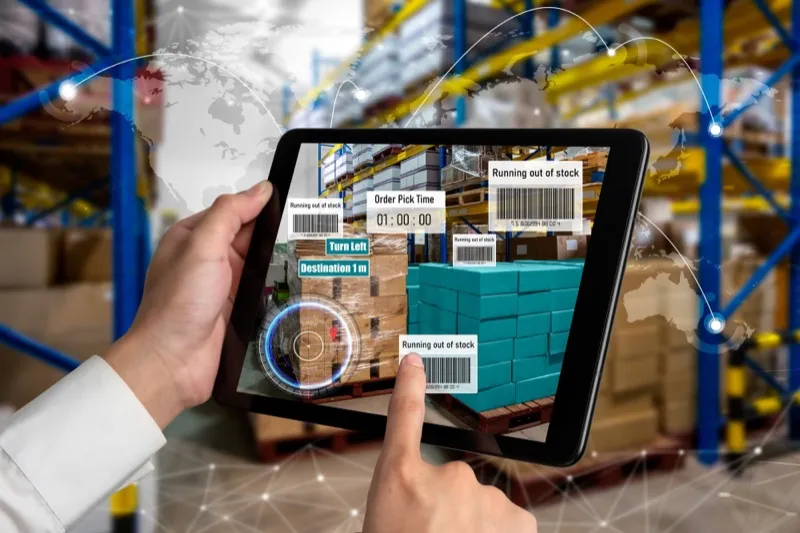
Using spreadsheets and hand counts in the hectic corporate world of today is like trying to steer a ship using only a paper map. Your GPS is a strong product inventory management system that offers exact, real-time data on your business health and stock movements. Using these methods across several sectors, even failing companies change their inventory from a problem into a competitive advantage.
Modern product inventory management systems are beautiful because they allow one to see ahead. Tracking what's on your shelves is only one aspect; it also forecasts what ought to be there next week, next month, or next season. However, these technologies remove the guessing that usually results in expensive errors, so ultimately, what counts here is that when a consumer queries product availability, you know right away instead of rushing to the warehouse to investigate.
Key Features That Drive Results:
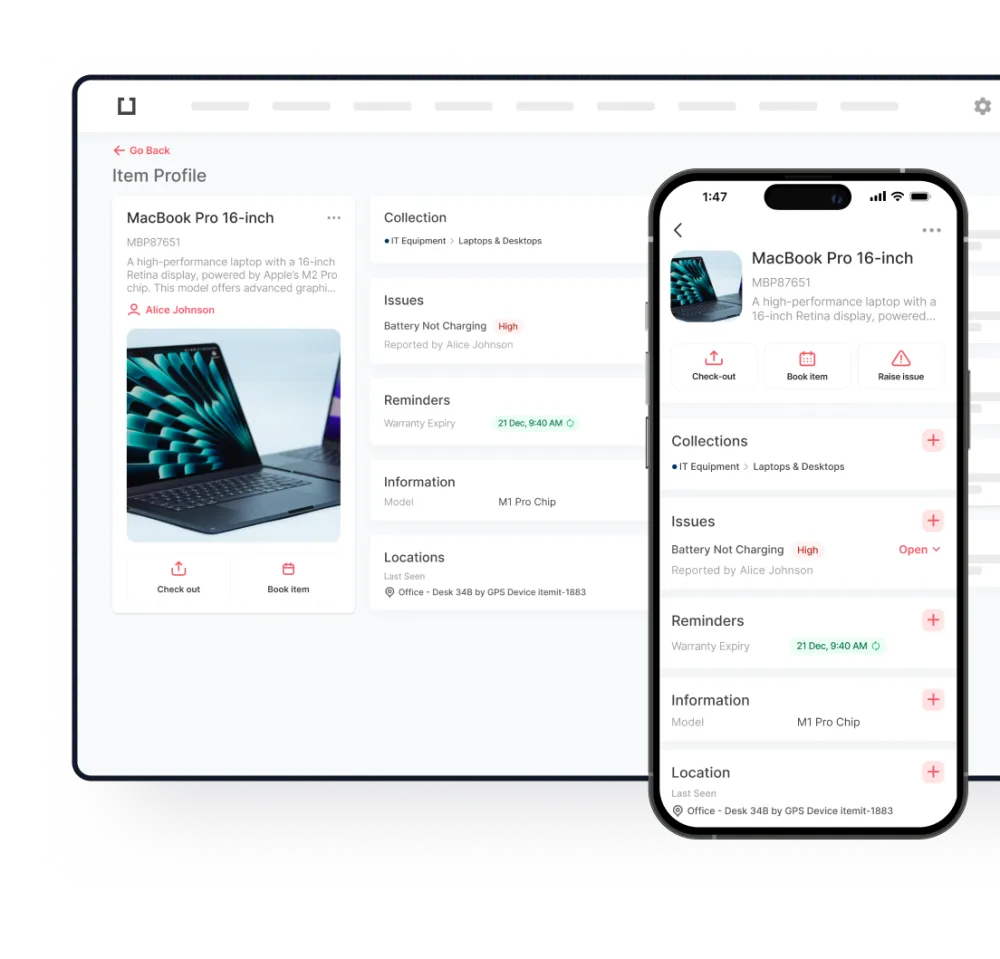
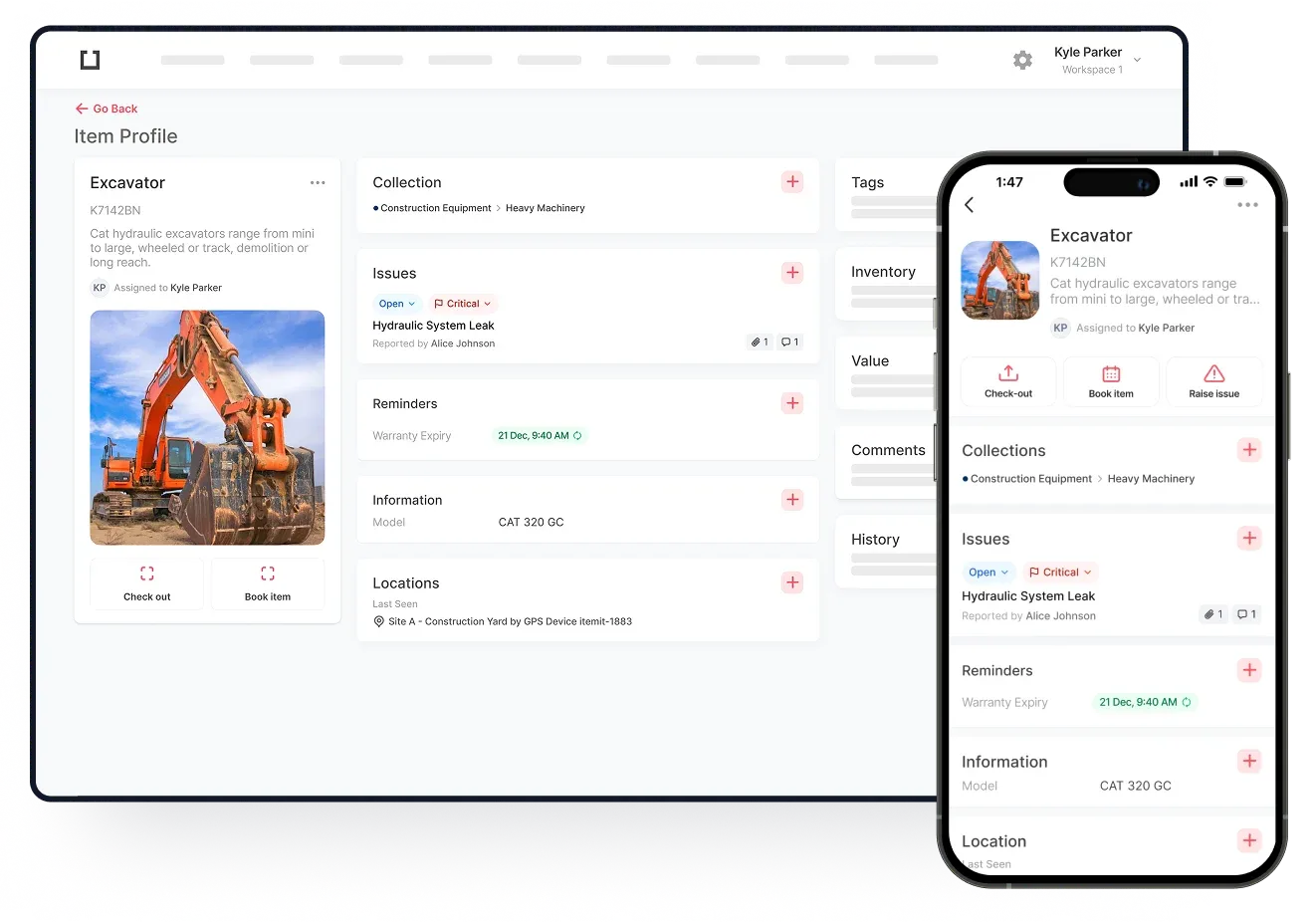
- Intelligent Tracking: Today's product and inventory management solutions offer granular visibility down to the individual SKU level. The system tracks not just quantities but movement patterns, storage locations, and even environmental conditions for sensitive items. This means you can spot potential stockouts before they happen and identify where products might be getting stuck in your supply chain.
- Automated Reordering: Among the main sources of inventory issues is human mistakes in reordering. By automatically generating purchase orders depending on predefined thresholds and lead times, modern inventory control systems eliminate guesswork related to replenishment.
- Demand Forecasting: Here is when good inventory control really shines. These algorithms can remarkably accurately forecast future demand by examining past data, seasonal trends, and market indicators. Simply by letting their system's forecasting powers direct their buying decisions, companies cut their safety stock by 25% while increasing product availability.
- Cross-Platform Integration: The best systems of product inventory control do not function in a vacuum. They smoothly interact with your accounting software, e-commerce platform, and point-of-sale system; this replaces data silos with a single source of truth for the whole business, so lowering expensive disparities.
Just-in-Time Inventory System and Product Quality
Here's a powerful lesson from a specialty food distributor: after implementing the itemit app for precise tracking and switching to just-in-time (JIT) inventory, they cut storage costs by 40% and slashed product returns due to quality issues almost to zero. That's the real power of JIT in product inventory management – it's not just about saving money, it's about delivering excellence.
The JIT approach completely reimagines how we think about product and inventory management. Instead of storing large quantities "just in case," products arrive precisely when needed. This isn't just theoretical – I've seen businesses transform their operations by embracing this methodology. Picture a dance where every movement is perfectly timed: materials arrive just as production needs them, and finished products ship just as customers order them.
Impact on Product Quality:
- Freshness Factor: When products spend minimal time in storage, they reach customers in prime condition. For industries dealing with perishables or time-sensitive materials, this is game-changing. One electronics manufacturer reduced component degradation by 70% simply by implementing JIT principles in their product sourcing and inventory management.
- Storage Optimisation: Less time in storage means reduced risk of damage, obsolescence, or deterioration. Gone are the days of products gathering dust or degrading in warehouse corners. Each item moves through your system with purpose and precision.
- Quality Control: With smaller, more frequent deliveries, your quality control team can thoroughly inspect each batch. I've watched companies boost their quality metrics significantly because they're dealing with manageable quantities rather than overwhelming bulk shipments.
- Cost-Quality Balance: Here's something many miss about JIT – while it reduces storage costs, it also frees up capital to invest in higher-quality materials or products. One furniture maker used their storage savings to upgrade their raw materials, leading to a 25% decrease in defect rates.
What is the real beauty of JIT within your product inventory management system? It creates a virtuous cycle. Better quality leads to fewer returns, which means more predictable inventory needs, which in turn supports even more precise JIT implementation.