There are many ways you can get the most out of your UK asset tracking system. From tracking asset location to monitoring and managing maintenance, using asset tracking software can save you more time and more money if you're getting the best out of it.
So, how do you get the most out of your UK asset tracking system? From leveraging features to making the most out of support, we have all the answers.
Use QR Code Asset Tags and Record Asset Location
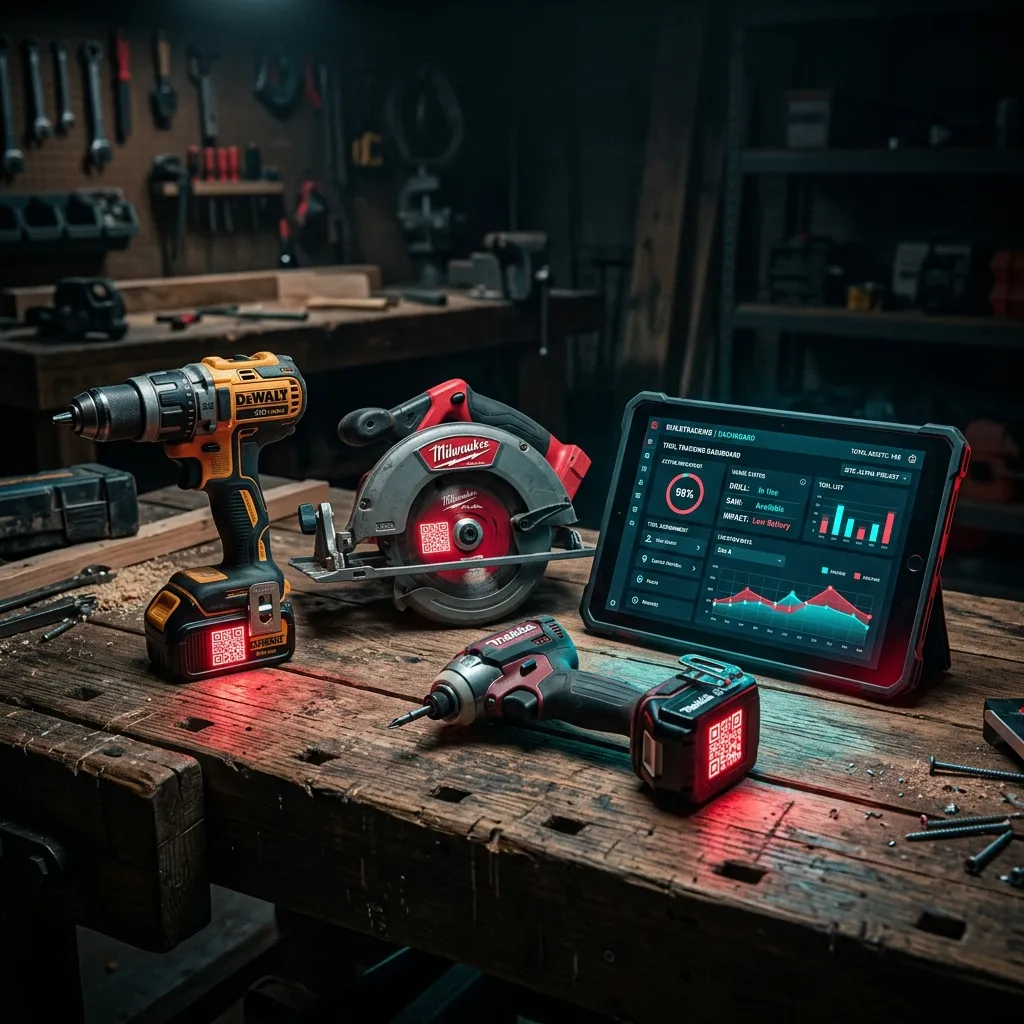
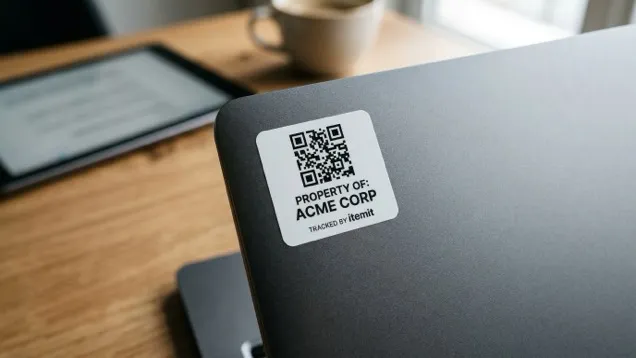
First of all, you'll want to use asset tags on your tools, equipment, and fixed assets. Asset tags help you link your assets to their digital profiles, making any changes to your assets quick and easy to record.
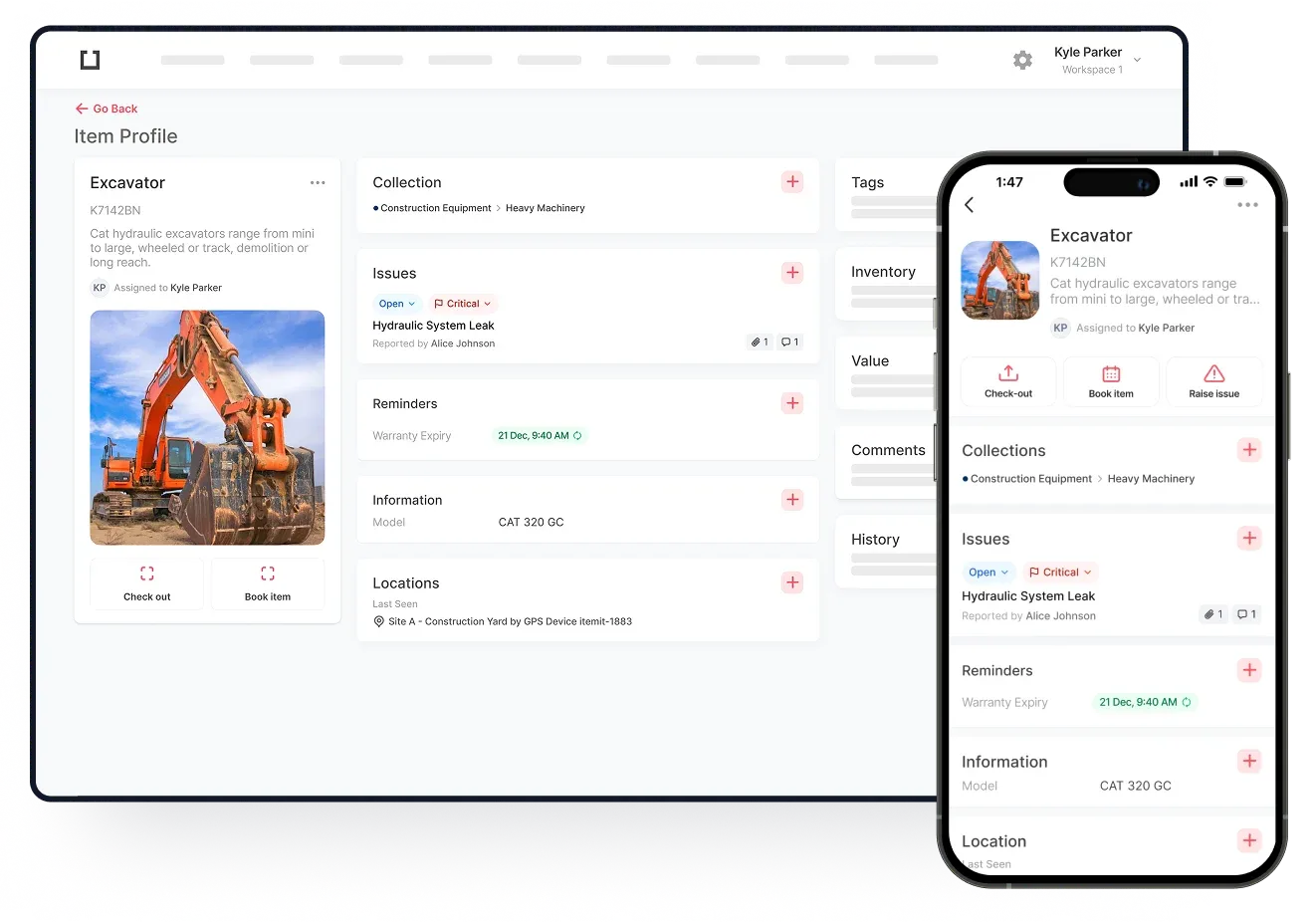
With QR code asset tags, all you need to do is scan the tag, and the asset's profile will appear, ready to be edited.
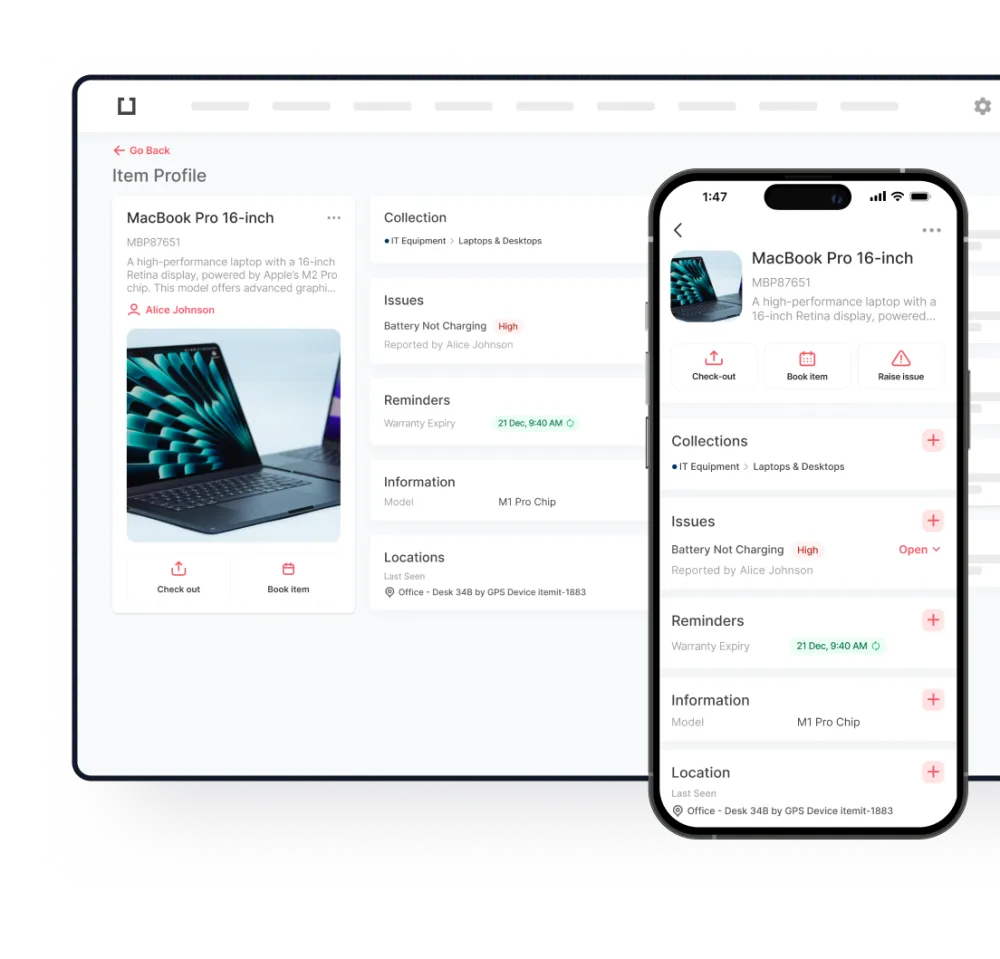
Using itemit, every time you scan the asset's tag or label, the location of that asset is automatically recorded. This makes tracking usage and an asset's last seen location simple, speeding up asset retrieval and increasing accountability.
Make the Most Out of your UK Asset Tracking System's Features
There may be many features your UK asset tracking system has that you haven't played around with, yet. We recommend taking full advantage of your asset management system's features to increase your return on investment as much as possible.
Here are some of the most popular features in itemit that are clients use daily to track assets and equipment.
Collections
Collections are how you categorise your assets. You can share your entire asset register with your colleagues, or just one or a few collections. Therefore, if someone only needs access to, for example, your IT assets, you can share a collection of your IT assets with them.
Collections also help with reporting, as you can report on categories of assets via filtering by collection.
Hierarchical Locations
Hierarchical locations are how you can track your assets when they travel between sites or even between rooms in one building. This means it's also possible to use reports to track how long an asset has been in each location.
If you see that some assets are moving around a lot more frequently, it's clear that another one of those assets may be required to improve productivity.