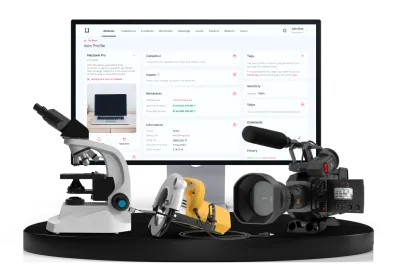
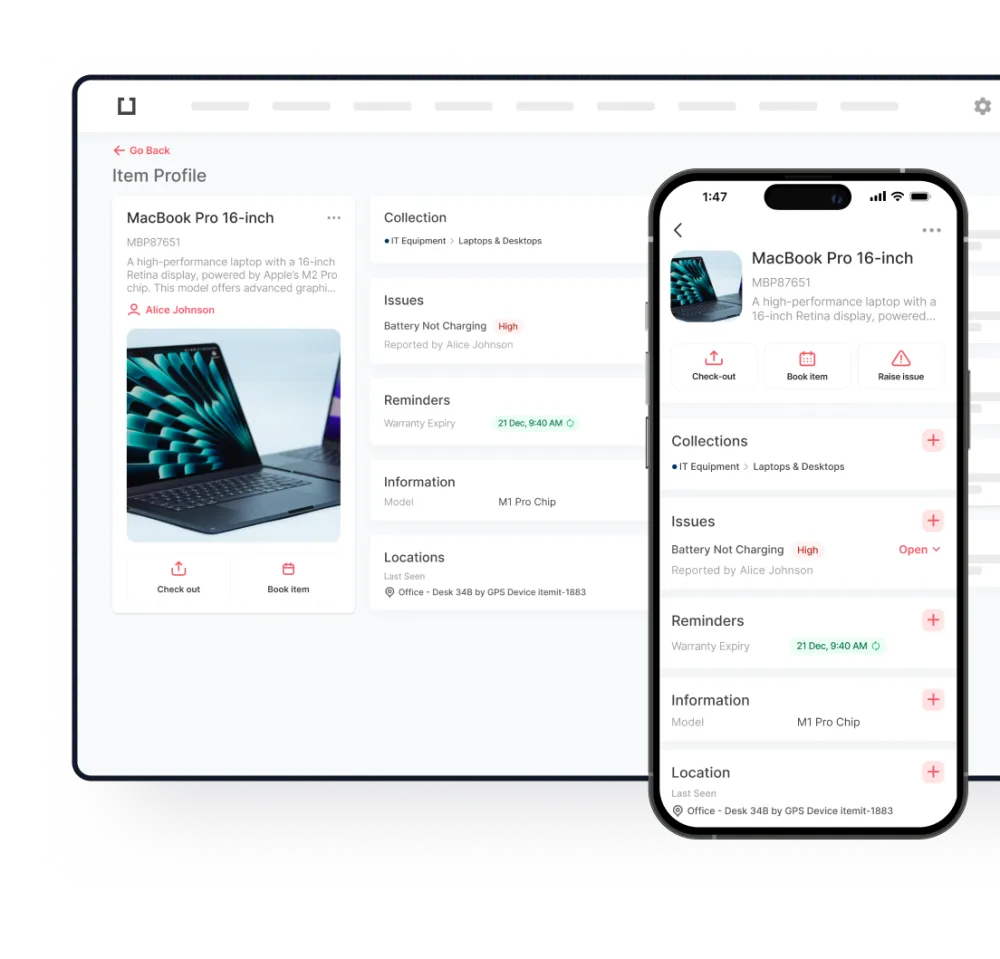
An asset register gives you a clear view of what assets your business owns and other critical, relevant data. In other words, you can use an asset register to log your equipment and info such as make, model manufacturer.
So, how does this improve your equipment tracking? With effective asset register systems, you can create new asset records on the fly and track equipment with much greater ease.
Should You Use A Spreadsheet?
First and foremost, your asset register shouldn't solely exist as a spreadsheet. Spreadsheets are only good for snapshots of information and not useful when you're tracking consistent asset changes and updates.
In other words, each bit of critical information exists within specific cells in your spreadsheet. This means that every time this information updates, one cell becomes out of date alongside the entirety of the spreadsheet.
Therefore, tracking and managing asset changes isn't reliable using a spreadsheet. Instead, you'll want a dedicated asset register software that allows you to make, log, and update changes on the fly, whether you're onsite or working remotely.
Using Equipment Tags
You'll be able to add equipment tags to your assets. Then, you can link these tags to your asset records. This helps your equipment tracking operations as it gives you many speed and automation benefits.
Every time you scan an asset's tag, the relevant asset's profile will open, ready for you to make changes. These changes are automatically pulled into your asset register, ready for you to export and manage external to your asset register system.
Not only this but every time you scan an asset's tag, that asset's last seen location and the user who scanned the tag updates, giving you a clear (and automatic) audit trail of who has been interacting with your assets.