A fixed asset register is a very effective way to monitor what you own, keep on top of purchases, and track asset lifecycles. In short, a fixed asset register is a log of your fixed assets and data about them.
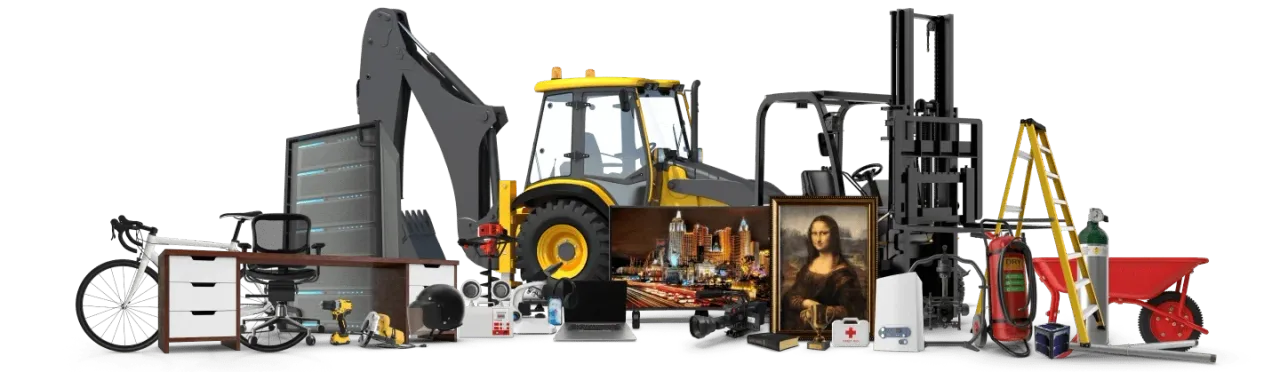
Fixed assets are permanent business fixtures that aren't bought or sold and, therefore, indirectly create revenue. In other words, they're not your stock or inventory they're your laptops, furniture, buildings, tools and so on.
You can depreciate all of your fixed assets, or you can only depreciate above a certain value. For example, you may only be required to log and track assets above £500. Either way, whether you're tracking all things big and small, a fixed asset register will transform your business operations.

The Benefits Of A Fixed Asset Register
A fixed asset register is a log of each of your fixed assets. Therefore, you can log every laptop uniquely and add unique information to it. This way, you can track assets on a very granular level, pinpointing any data you need to know.
This separates fixed asset management from inventory management, as inventory management will focus on overarching trends and non-unique assets where fixed asset management is tailored to solving problems with unique assets.
Knowing all of the assets you own and the unique information against them gives you a significant edge against common risks and issues. As you can track each laptop, for example, you can track issues against each laptop.
This level of transparency means you will:
- Lose fewer assets
- Purchase fewer duplicates
- Make clearer financial decisions
- Mitigate ghost and zombie assets
- Improve maintenance operations
- Improve rental and bookings operations
- Speed up asset audits
- Improve tax and insurance
Amongst many other benefits! In short, when you use a fixed asset register, you save time and money and gain a much greater level of transparency over your assets.
Should I use A Spreadsheet?
It's tempting for the first thought to be to add your assets onto a spreadsheet and add your data here. This is how companies have been creating fixed asset registers for years.
The main thought here is that spreadsheets are free. However, using a spreadsheet still gives you a negative return on investment, so you'd actually save more money by using something built for fixed asset management.
If you think about a spreadsheet, the first column is an asset's identifier. This can be a serial or it can be the asset's name. Then, the next column will be another specific piece of information and so on.
Imagine trying to pinpoint which laptop to log an issue against after your fixed asset register has grown to your asset count. Each crucial, specific piece of information is confined to a single cell on your spreadsheet.
Every time an asset moves, too, multiple cells become outdated in an instant. Therefore, spreadsheets are impossible to manage and keep on top of when it comes to fixed asset management.
Fixed Asset Register Software
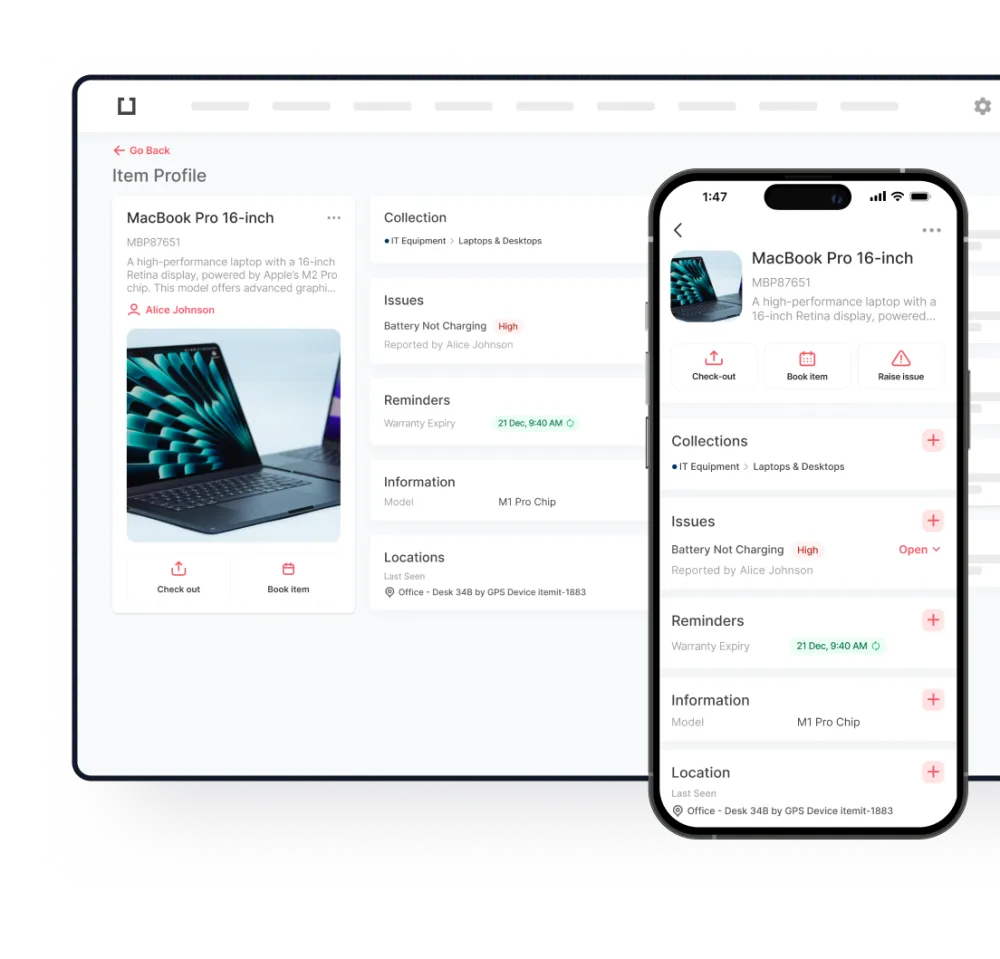
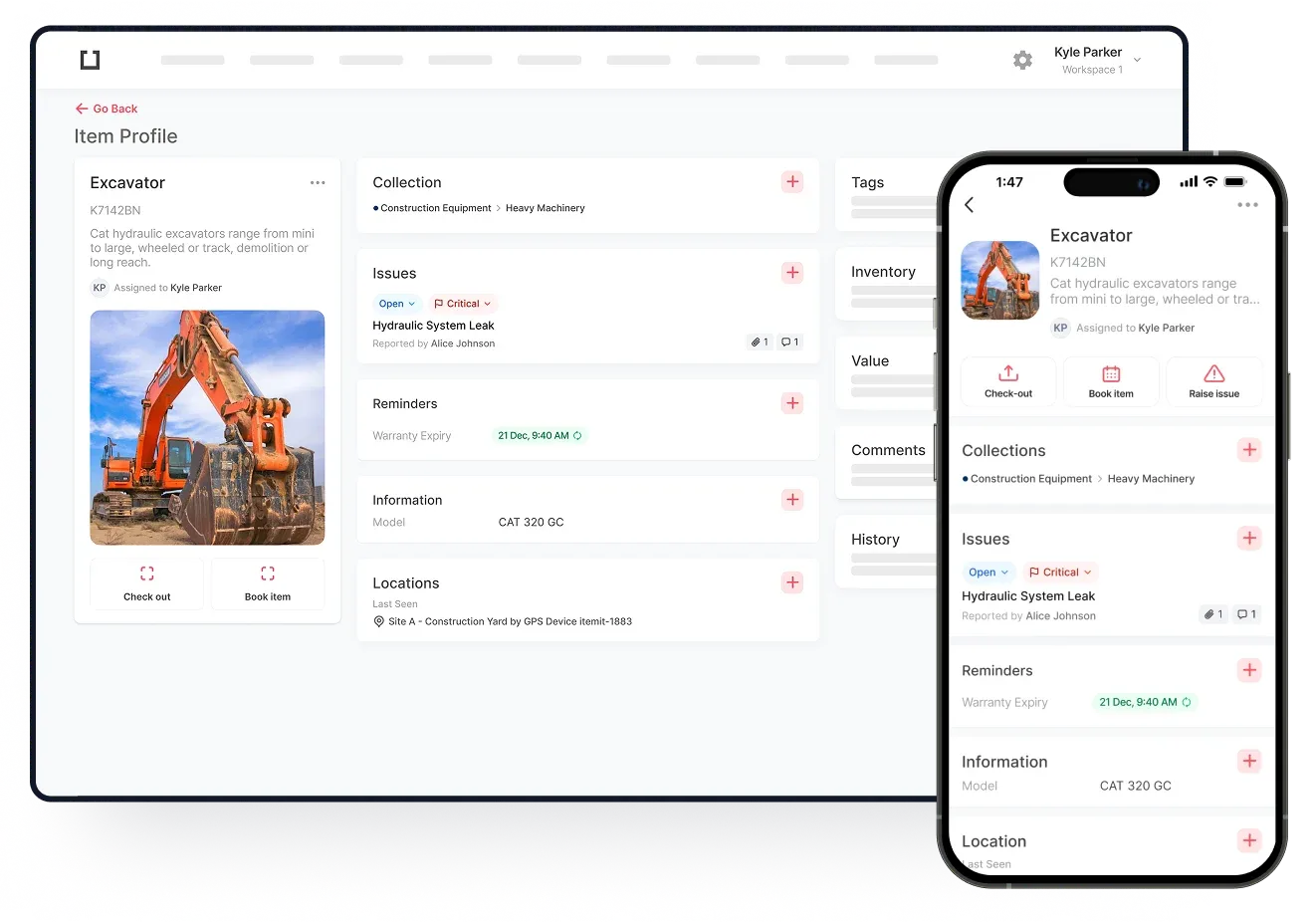
Fixed asset register software uses the idea of asset uniqueness and improves on it. Instead of a row being an asset, each asset has a unique profile. In this profile you can add issues, information, booking data and more.
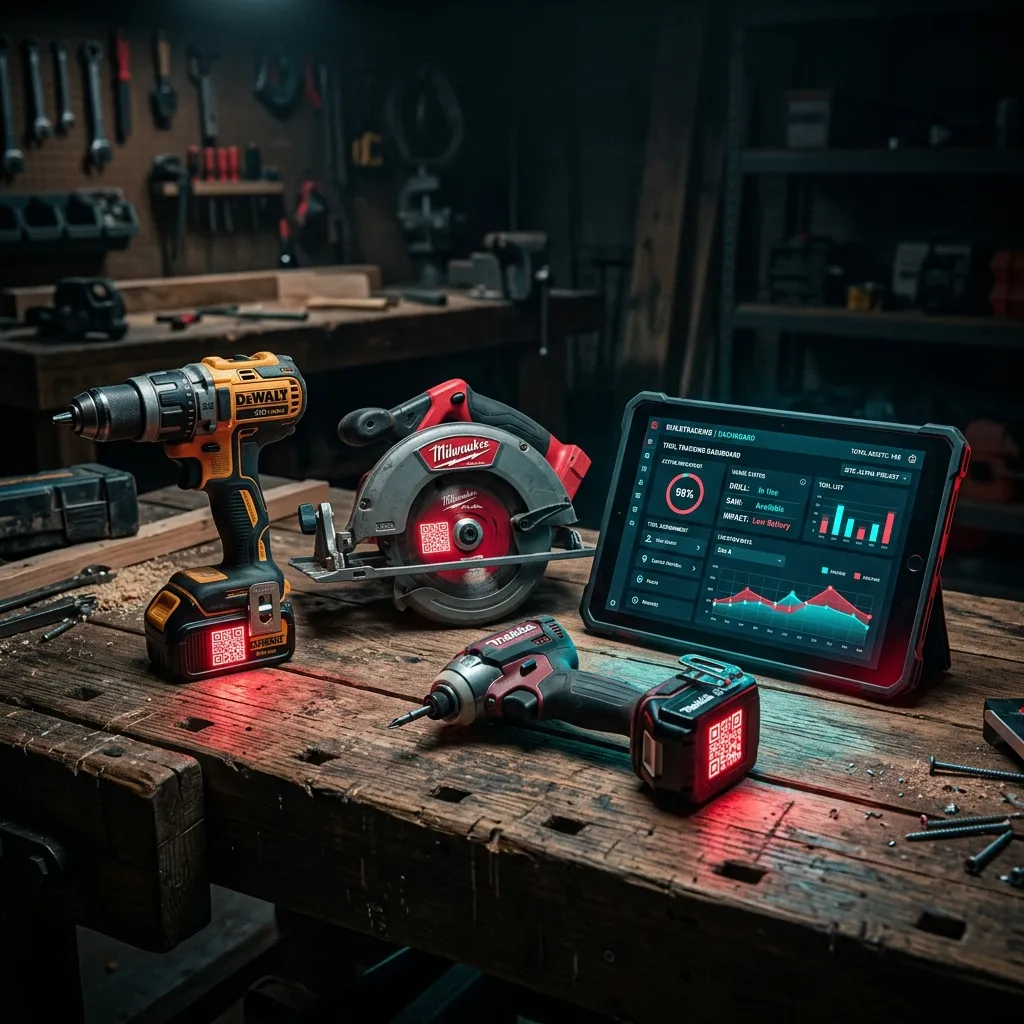
You can also use fixed asset tags to take this further. Fixed asset tags are tags that you physically stick onto your equipment, before using their code (as they're usually QR codes and barcodes) to link the physical equipment to a digital profile.
Every time you scan an asset's tag, the last seen location will update, the user who scanned the tag and the time of the scan will be logged and the asset's profile will open. This gives you a transparent audit trail.
 Watch video
As scanning an asset's tag opens up a fixed asset's profile, you can use this to log data, instead of searching through a spreadsheet.
Ultimately, through the collection of this data, you will create a robust fixed asset register that's ready to use for tax and insurance purposes. The granularity of asset tracking allows you to take more control over your assets and so you'll save time and money daily.
itemit's Fixed Asset Management System
itemit's fixed asset management system benefits your business by having a range of features, ready for you to use. Whether already tracking your fixed assets or not, itemit gives you a more automated system, meaning you don't need to spend hours updating asset registers.
With itemit, logging and collecting information simply takes a scan of a QR code and the click of a button. If you want to use it for your records without asset tags, this is entirely possible too, as itemit comes with an app and web portal.
Fixed asset management systems save you time and money, and itemit is no different, giving you a quick and easy way to audit your assets.
To find out more about how itemit can benefit your business you can contact the team at team@itemit.com. You can also fill in the form below to start your very own 14-day free trial.