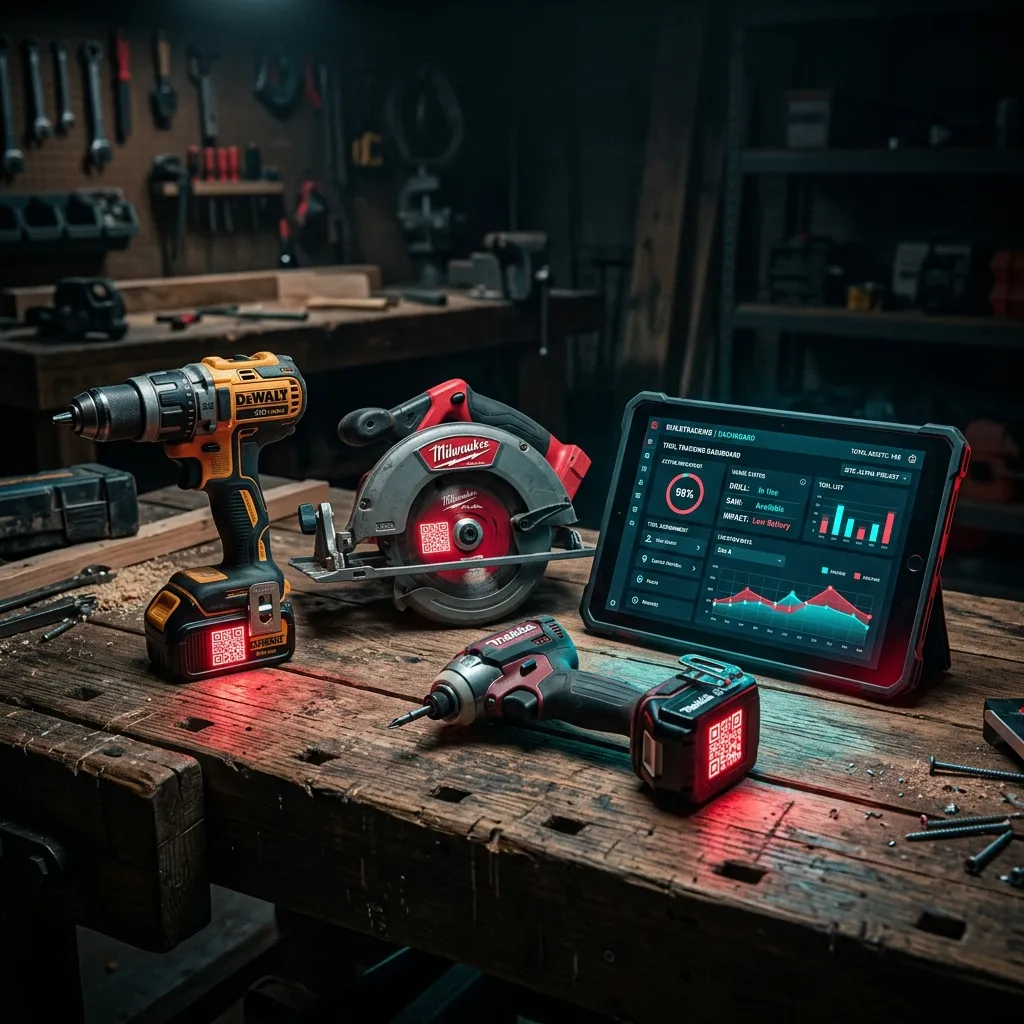
Construction equipment tracking is essential. It will help you mitigate losses, ghost and zombie assets, and asset theft while also giving you a clear view of how well your assets are working.
However, there are many ways to track your construction equipment, and some are much better than others. Using a spreadsheet can create the same gaps that you're trying to avoid by creating an asset tracking system.
This is why it's much better to opt for asset management software to ensure that your tools and equipment tracking remains effective and clear.
What Is A Construction Equipment Tracking Spreadsheet?
In a way, your construction equipment tracking spreadsheet will be similar to a fixed asset register. There will be a lot of overlap between the two, as many of your tools will also be fixed assets.
The way these both work is by giving you the ability to log what you own and asset-specific data. What this means is that you'll be able to add your tools as unique assets, and then add maintenance, location, and usage information.
Already, you can imagine a spreadsheet becoming unwieldy. If one column is the name, the next the serial, then the rest asset information, you can already envision having multiple columns.
The Problems With Spreadsheets
The main problem with spreadsheets is that they require a lot of manual input to keep them up to date. Sometimes, there isn't time for manual input. However, while your tools are being used, a lapse of a week can invalidate all of your asset register if it's on a spreadsheet.
Spreadsheets also create much more of a chance for gaps in your asset tracking. These gaps can be incredibly harmful as they will affect your financing and insurance operations.
Ghost assets are assets that are on your asset register but are missing and not physically available. Zombie assets are assets that exist and are physically available but aren't on your asset register.
Using a spreadsheet greatly increases the chance of having these assets. Why are they such an issue?
- You can't have valid tax breaks if you overstate or understate your asset-related finances
- You can't insure assets that aren't accounted for
- You can't retrieve assets if you don't know that they're missing
- You can't use assets if you don't know that they exist
This can all bring a halt to your operations and create financial difficulties.