Cambridge University Is Using itemit's Asset Tracking System For Asymptomatic Test Kit Tracking
“itemit allows us to be extremely adaptable to address the constant challenges of the pandemic."
 Watch video
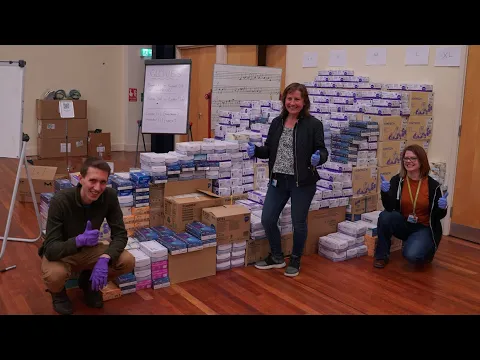
Cambridge University has implemented a pooled testing programme to provide asymptomatic COVID-19 tests to its students regularly. The testing programme aims to make the University a safer environment, mitigating the risks of an outbreak, allowing for consistent study and research. itemit is assisting in the University’s efforts by allowing for more communication within the supply chain and by providing the ability to monitor the movements and stock levels of the test kits.
The operations work on a pooling basis. Various “households” of 6-10 students have tests delivered to them. Each student then takes the test and places it in a collection box. These boxes are then collected daily ready to be analysed. If any of the test results are positive, that household is told to isolate, while individuals are tested to identify who has the infection. Overall, this increases the effectiveness of the testing capacity of around 2,000 tests a week as minor outbreaks can be identified and addressed.
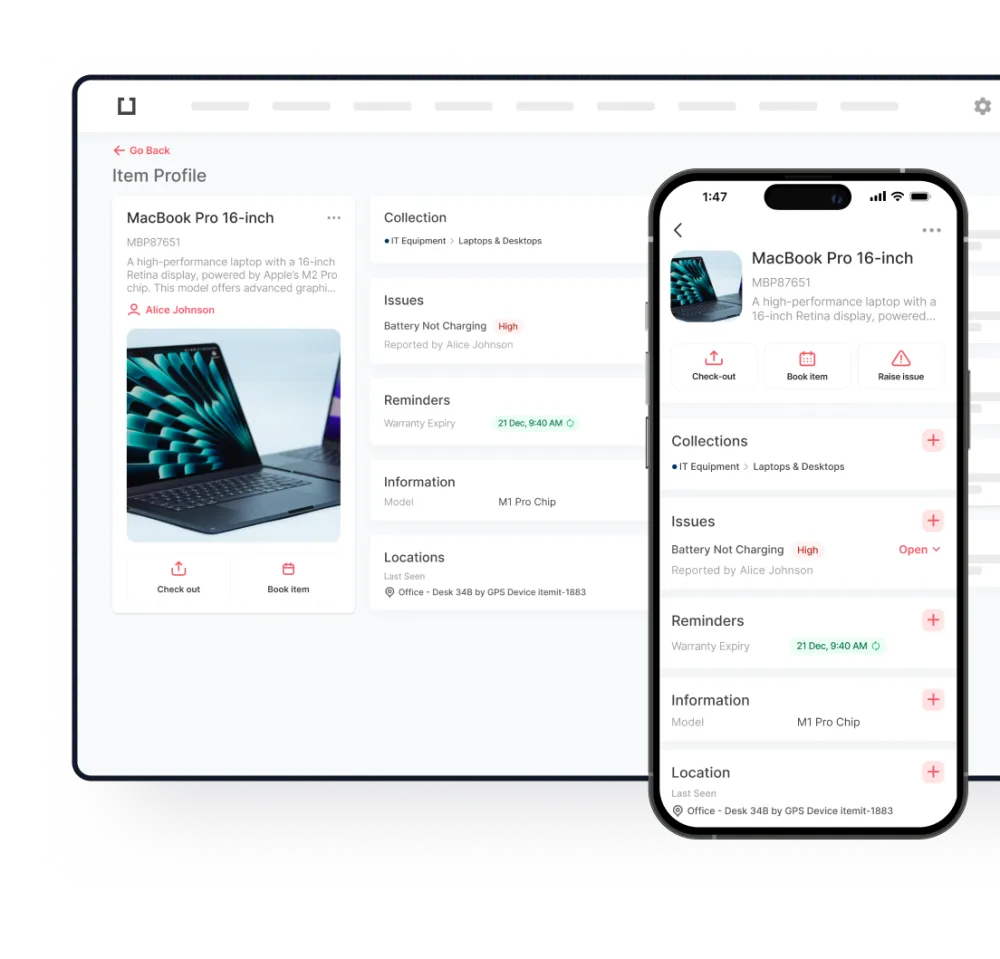
itemit’s asset tracking software allows Cambridge University’s testing team keep track of test kits from a central hub to 37 Cambridge colleges across over 50 sites in a closed-loop logistics effort. Test kits are tracked in boxes, each with an itemit QR tag, and scanned by delivery drivers as they are moved between locations.
“At the very start of the pandemic, we donated use of the itemit asset tracking system to the University of Cambridge to provide an instant solution to tracking PPE stocks, initially, and test kits more recently. This powerful collaboration ensures tracking of critical test kits that allows the University to detect and control outbreaks of COVID-19.” Dr Alex Wong, Co-founder and CEO of RedBite says.
The Challenge
On any scale, supply chain management and mass testing have many challenges that need to be addressed. Creativity and innovation are often required to overcome challenges related to communication, transparency, and performance.
The most pressing challenge is ensuring each household receives the correct tests on the correct dates and to ensure that these tests are promptly collected and analysed. A manual system would not allow for the flexibility and real-time nature required to keep an accurate history of test kit movements.
It was essential for the University to ensure that every step in the logistics process worked as quickly as possible, with under two weeks to put all necessary processes in motion. From preparing kits to delivery, to the collection of samples, to the delivery to testing centres, every step must tightly and seamlessly progress to the next. Without KPIs or an established system, any improvements or changes would be slow and risk a lag in scalability or the overall success of the programme.
Therefore, the main risk was that a lack of communication between steps in the supply network could stagnate the entire programme. This meant that a system would be needed that could track test kits as both inventory and individual assets and that would allow for automated communication between delivery drivers, the colleges themselves, and the testing labs. This system would then have to be scalable to allow for rapid growth, contributing to the success of the programme and allowing for a faster implementation to address this pressing need.