You've been there. A £3,000 drill vanishes from a job site, nobody remembers who signed it out, and your spreadsheet still says it's in the warehouse. That gap between what your records claim and what's actually happening on the ground costs UK businesses millions every year. The right asset management software closes that gap for good, and this guide breaks down the best asset management software options available in 2026.
Key Takeaways
- itemit leads the pack with QR, barcode, RFID, and GPS tagging that works across every industry
- Reftab is a smart pick for IT teams managing hardware and software licences under one dashboard
- Shelf.nu gives budget-conscious organisations an open-source platform at no cost
- Timly works well for European enterprises running heavy equipment fleets across multiple sites
- Asset Infinity targets larger operations that need deep ERP integrations and AI-driven maintenance
- Digital asset management and physical tracking now overlap in most platforms, so your choice depends on day-to-day workflows
What Separates a Great Platform From a Mediocre One?
Not every tool on the market deserves your attention. Some look polished in a demo but fall apart when your team actually tries to scan 200 items on a windy construction site with spotty signal. So what should you genuinely care about?
Tag flexibility. A platform locked into QR codes alone won't serve you when your warehouse needs barcode scanners and your fleet vehicles need GPS. The strongest platforms handle QR, barcode, RFID, and GPS under one subscription, letting you match the technology to each asset without juggling separate systems.
Then there's mobile access. Your field crews aren't sitting at desks. They need an app that works offline, syncs when signal returns, and doesn't require a training manual to operate. If the app frustrates your team, they'll stop using it. Simple as that.
Asset lifecycle management matters too. Tracking an item from the day you buy it through every repair, reassignment, and depreciation adjustment until you retire it builds a genuinely useful financial picture. That's the kind of data your finance team will actually thank you for at year-end.
And don't overlook integration. A tool that talks to your existing accounting software or ERP cuts out hours of duplicate data entry. If it can't connect, you're just building another silo that someone has to maintain manually.
1. itemit – The Best All-Round Asset Management Software
Best for businesses of any size across construction, IT, warehousing, retail, healthcare, and education
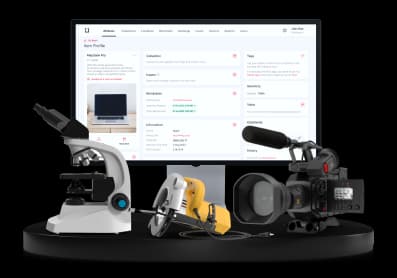
Here's why itemit sits at number one. It's a cloud-based software platform on web, iOS, and Android that covers every stage of asset tracking, from first tag to final disposal. Most competitors pick one or two tagging types and call it a day. itemit supports QR codes, barcodes, RFID, and GPS trackers all within the same account. That breadth matters more than you'd think.
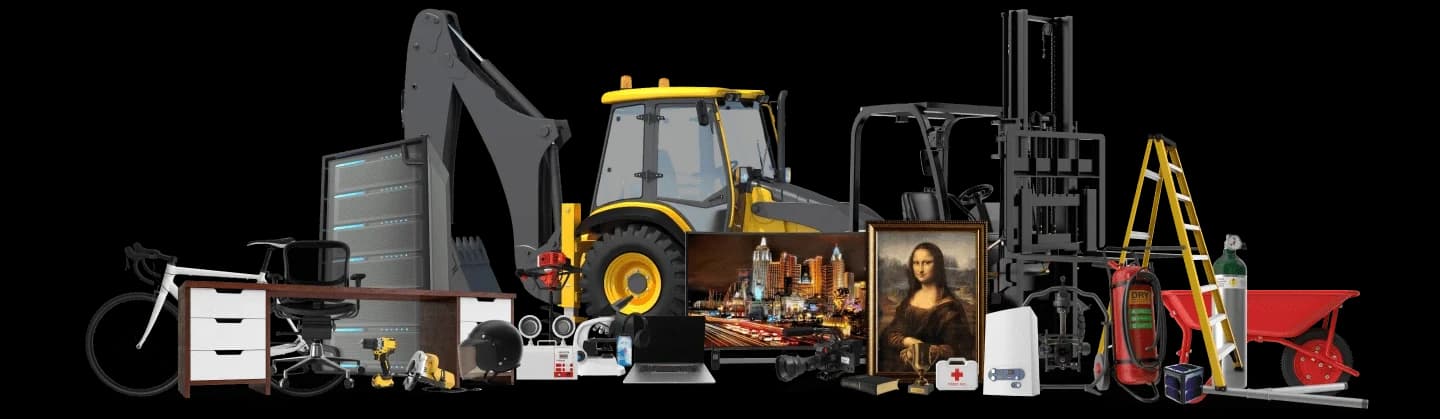
A laptop in your London office? Slap a QR label on it. A £40,000 excavator moving between three construction sites in Manchester? GPS tracker. itemit handles both without forcing you onto separate systems. And because your tracking needs will grow, that flexibility prevents an expensive platform switch two years from now.
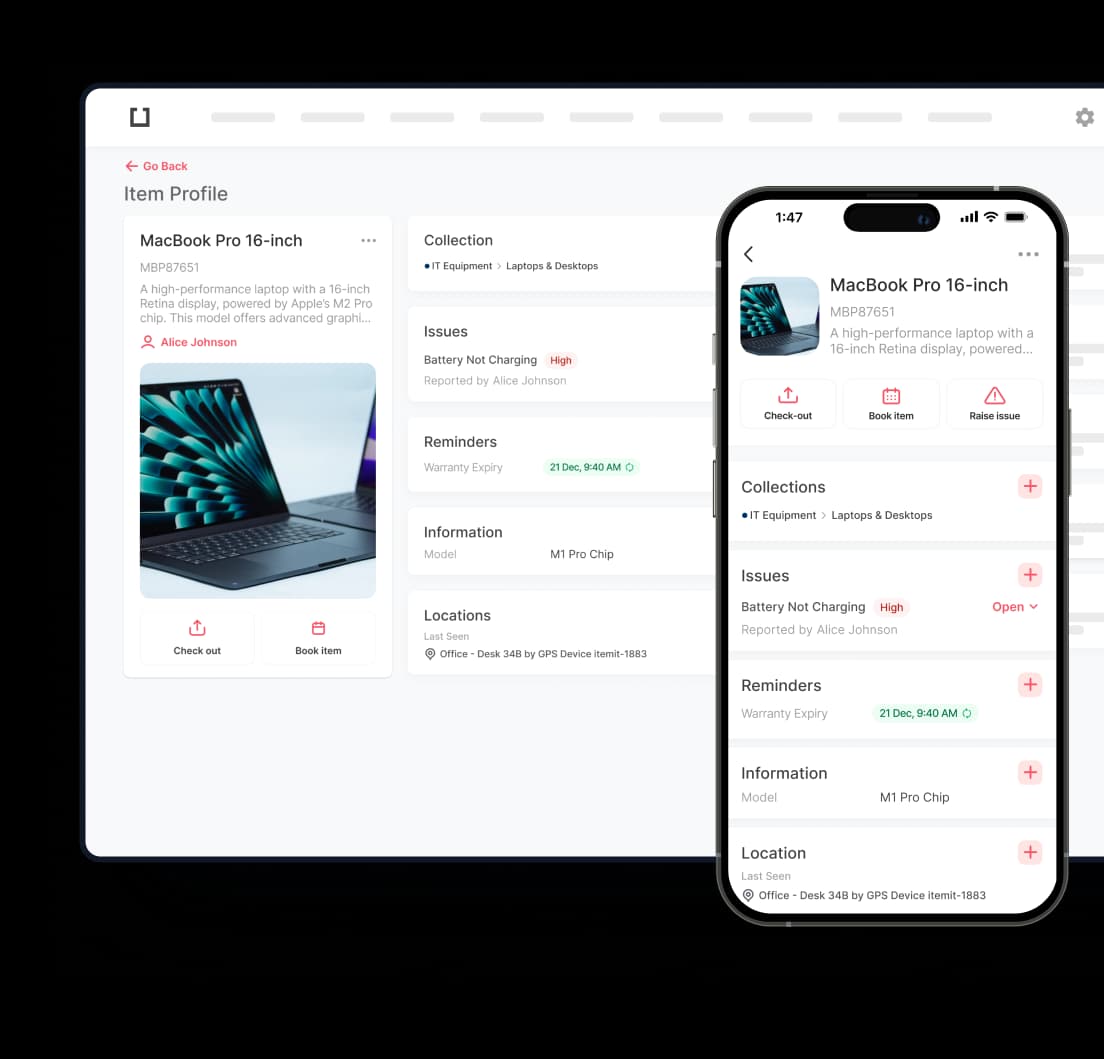
The mobile app is genuinely good. It works offline, which sounds like a small detail until your team is three floors underground in a car park with zero signal. Data syncs the moment connectivity returns. Check-outs, bookings, and reservations are baked right in, so shared equipment stays accounted for without anyone chasing paper sign-out sheets.
Asset monitoring gets easier with itemit's maintenance reminders and scheduling tools. Log a repair, set an inspection date, and let the system nudge you before deadlines slip. Custom fields mean you can attach serial numbers, warranty dates, photos, even PDF manuals to each record. That's audit-ready data without the headache, and it ties directly into your asset management compliance needs.
No other platform on this list offers public profiles. Turn one on, and anyone can scan a QR tag and report a fault without logging in or downloading anything. Schools, hospitals, shared workspaces, public buildings. Anywhere assets sit in open areas, this feature turns every tagged item into its own feedback channel.
Pricing is transparent. A 14-day free trial lets you test with real data, tiered plans scale with your asset count, and bulk actions like quick-add and mass transfers keep admin low.
Why itemit wins: No other platform here matches its tagging breadth, offline reliability, and cross-industry reach. It's the one tool that doesn't force you to compromise.
2. Reftab – Strong IT Asset Management With Software Tracking

Best for IT departments managing hardware, software licences, and employee onboarding/offboarding
If your tracking needs are purely IT-focused, Reftab deserves a serious look. It's been around since 2013 and has built a loyal user base by combining hardware tracking with software licence management in one dashboard. Integrations with Jamf, Intune, NinjaOne, and Microsoft 365 pull installed software data straight from managed devices. AI-driven categorisation sorts that data automatically, and the system checks versions against the CVE vulnerability database to flag security risks.
Workflow automations change asset status based on conditions you define. Someone leaves the company? Reftab triggers a collection workflow. New starter on Monday? Their kit gets pre-assigned before they walk through the door. The free tier covers 50 assets, and paid plans start at roughly $31 per month.
Worth knowing: Reftab leans hard into IT. Businesses tracking construction tools, medical equipment, or field assets will find it less adaptable. There's no RFID or GPS tagging, and offline mobile support isn't as polished as you'd want for field-heavy teams.
3. Shelf.nu – The Open-Source Option for Budget-Conscious Teams
Best for small to mid-sized teams wanting free or low-cost QR code asset tracking
Shelf.nu is the open-source underdog. Free for individual users, with over 3,000 teams running it, and the full codebase sitting on GitHub under an AGPL licence. If you've got a developer on the team and you'd prefer to self-host, Docker deployment is available alongside the hosted cloud version.
Everything centres on QR code scanning. Print labels, stick them on your gear, and anyone with a phone can scan to check items in or out. Custody tracking logs who has what, location management handles hierarchical setups like buildings, floors, and rooms, and a clever recovery feature lets strangers scan a lost item's tag and notify you directly. No Shelf account needed on their end.
Worth knowing: No RFID. No GPS. The booking system is still under active development, maintenance scheduling is basic, and there's no offline mobile mode. For small teams with straightforward needs, that's fine. For anything more demanding, you'll hit walls quickly.
4. Timly – European-Built Platform for Equipment-Heavy Industries
Best for construction firms, logistics companies, and public sector organisations managing large equipment fleets
Based in Zurich and launched in 2020, Timly has grown fast across Europe. It positions itself as a 360-degree inventory management system for IT devices, tools, vehicles, and building infrastructure. Each asset gets a digital profile with its full history, location, condition, and maintenance records. QR scanning, RFID, and Bluetooth tracking all work out of the box, and IoT sensors feed real-time usage data into the platform.
Breakdown reporting runs through a built-in ticketing system, and automated reminders keep inspections on schedule. Data sits in ISO 27001-certified European data centres, which matters if your organisation has strict residency rules. Digital asset management features cover software licences and contracts too. Pricing starts at €185 per month, with enterprise plans on request.
Worth knowing: That €185 entry point prices out a lot of smaller businesses. There's no public API for custom integrations, the mobile app is Android-focused, and the documentation leans toward German-speaking markets.