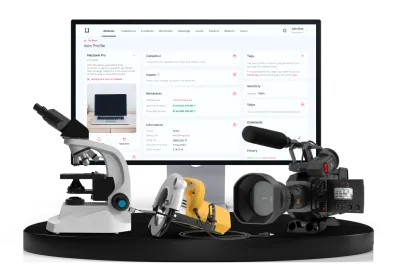
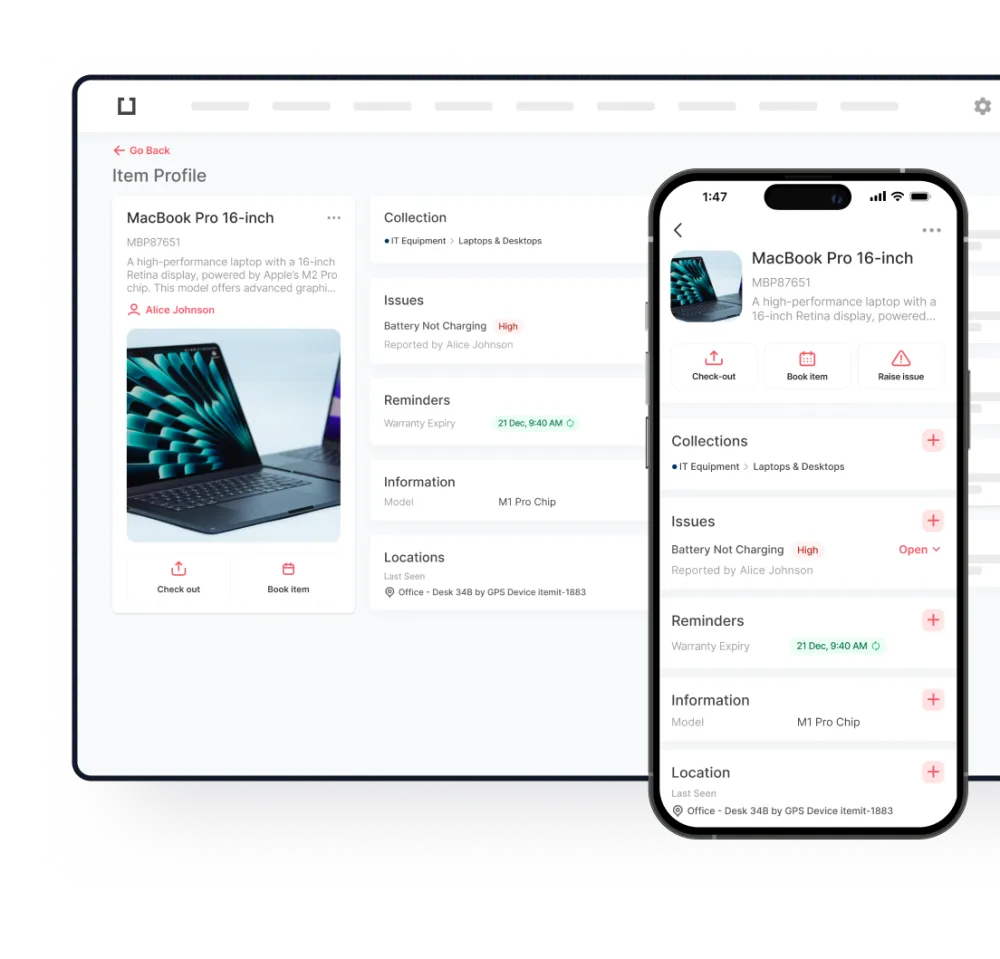
Asset tracking software gives you more control over your assets. With asset tracking software, you can log each of your tools onto an online system, then you can add data and information to these tools.
There are many different ways you can use asset tracking software in your business, and all of them will save you time and money. But, what are some of the ways you should leverage asset tracking software?
Location Tracking
First of all, asset tracking software gives you location tracking functionality. Location tracking is especially unwieldy when it comes to using a spreadsheet, as any time an asset moves it invalidates the data.
Therefore, you should use asset tracking software alongside asset tags to automate this. Asset tags aren't essential with asset tracking software, but they do speed things along significantly.
This is as, every time you scan an asset's tag with your smartphone, the asset's last seen GPS location will update and the user who scanned the tag will be logged.
This creates an automated audit trail and also unlocks bulk functionality, such as the ability to bulk check out assets or bulk scan them into a new location.
Fixed Asset Management
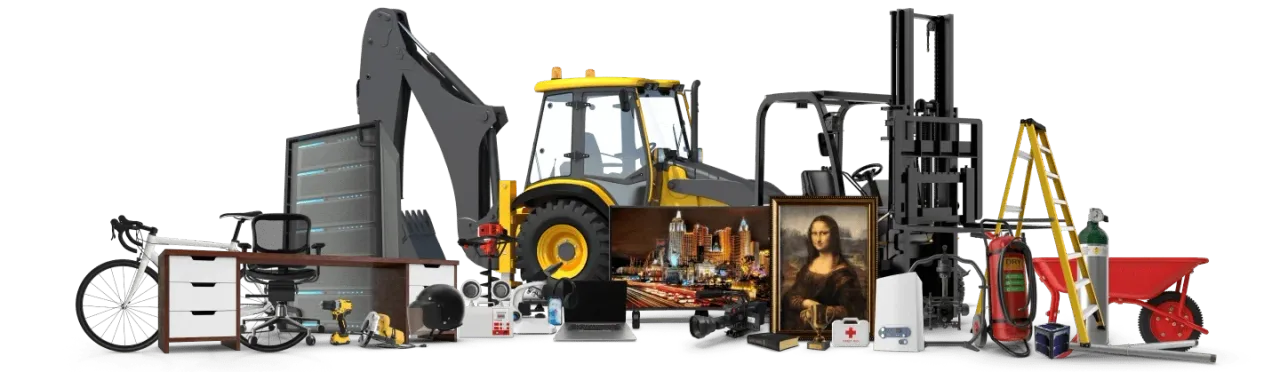
Fixed asset management is possible with asset tracking software. This is as asset tracking software lets you log, track and manage any asset and isn't confined to tools and equipment.
If your asset tracking software is using a dedicated app and web portal, this is much simpler as you can monitor backend changes using the web portal and bespoke reports.
The best asset tracking software has built-in fixed asset management capabilities, such as depreciation. Fixed asset management is another, helpful way to track and manage how your assets are behaving and how long you can use them for.