Though, in practice, it is the heart of efficient church asset management, a church asset register sounds more like a strictly administrative instrument. Far more than just a list of objects, it's a potent tool that guarantees every asset—from the pews that seat the congregation to the sound system that raises voices in worship to the historical relics that link us to our spiritual legacy—is taken care of and considered.
Effective asset tracking for the church enables this register to assist in preserving and improving the tools supporting your mission.
A church asset register helps you save time and money. In essence, an asset register is a log of all of your assets. With this system in place, you can see where your assets are, who has them, and how they’re behaving.
Overall, having these capabilities helps you monitor where efficiencies can be created and where there any gaps, helping you prevent lost assets and duplicate purchases.

A church's assets are the basic tools it depends on to run daily operations, serve its purpose, and assist worship activities. These assets range in kind from digital tools and even financial investments to physical objects like buildings and machinery. Effective church asset management and ensuring every resource is used to its best depend on an awareness of what exactly qualifies as a church asset.
Physical assets, which range from the church building itself to the furniture within it—such as pews, altars, and office desks—are most obvious. Enhancing the worship experience depends much on sound systems and musical instruments such as organs and pianos. Furthermore regarded as valuable assets are any vehicles the church has, including vans or buses utilised for transportation activities.
Apart from the physical objects, churches depend more and more on digital and technical tools. Church asset management calls for computers, printers, and administrative tools. Specialised programmes like a check-in system for churches simplify chores like attendance tracking, therefore enabling the management of big congregations. Another useful tool is media technology, which includes cameras and projectors, especially in contemporary worship environments, where visual presentations and recordings are rather popular.
Though less obvious, both financial and intangible assets are quite valuable. These could comprise endowments, investments, and objects of historical or spiritual value—such as old texts or relics. These treasures need careful maintenance to be kept for the next generations since they frequently have great spiritual as well as financial worth.
Churches may use a church inventory template, which offers a methodical approach to document and monitor every item's specifics—including its location, condition, and value—in order to properly manage their many resources. This methodical approach not only helps to preserve the assets but is also rather important for financial planning, budgeting, and making sure the resources always support the mission of the church. Church leaders can guarantee that these resources are kept, maintained, and used sensibly by properly knowing and controlling them, therefore helping the church to be sustainable over the long run.
What Is A Church Asset Register?

Good church inventory management requires a proper church asset register. From big and important artefacts to little, daily stuff, it is a thorough inventory of every physical item a church holds. Along with helping to keep track of what the church possesses, this register is absolutely essential for preserving the lifetime and usefulness of these resources.
This is a more comprehensive analysis of what a church inventory checklist looks like:
Inventory of Assets:
- Furniture for different areas of the church includes chairs, pews, tables, and cupboards.
- Pianos, organs, guitars, and other instruments are fundamental for worship events.
- Microphones, speakers, projectors, and screens used in sermons and events include audio-visual equipment.
- Computers, printers, desks, and other administrative tools make up office supplies.
- Specialised objects include baptismal fonts, communion goods, and religious relics.
Tracking Details:
- Location: The precise location within the church where every asset is found.
- Condition: Frequent updates on the state of every object highlighting wear and tear or maintenance requirements.
- Value: Every asset's financial value guides insurance evaluations and replacement or upgrade budgets.
Asset Identification:
- Every item in the register is labelled and identified using church asset tags. Usually, barcodes or QR codes, these tags allow one to rapidly access asset information by scanning.
- Every tagged item is connected to the sample asset register, which guarantees constant accuracy and update simplicity by means of which the inventory is constantly current.
- Location: The precise location within the church where every asset is found.
- Condition: Frequent updates on the state of every object highlighting wear and tear or maintenance requirements.
- Value: Every asset's financial value guides insurance evaluations and replacement or upgrade budgets.
Asset Identification:
- Every item in the register is labelled and identified using church asset tags. Usually, barcodes or QR codes, these tags allow one to rapidly access asset information by scanning.
- Every tagged item is connected to the sample asset register, which guarantees constant accuracy and update simplicity by means of which the inventory is constantly current.
More than just a list, a well-maintained Church Asset Register is a dynamic management tool that enables church leaders to make wise decisions about buying, preserving, and even selling assets as needed. Maintaining a thorough and orderly register helps the church to guarantee the best possible use of its resources, therefore supporting its mission and operations.
As we now know, a church asset register is a log of your assets and relevant information related to your assets. In the past, spreadsheets were largely used to log, monitor, and track this information.
However, spreadsheets create gaps. This is because every time an asset moves, an asset register will become out of date. Also, each cell on your asset register corresponds to a critical bit of information, so it’s easy to lose data this way.
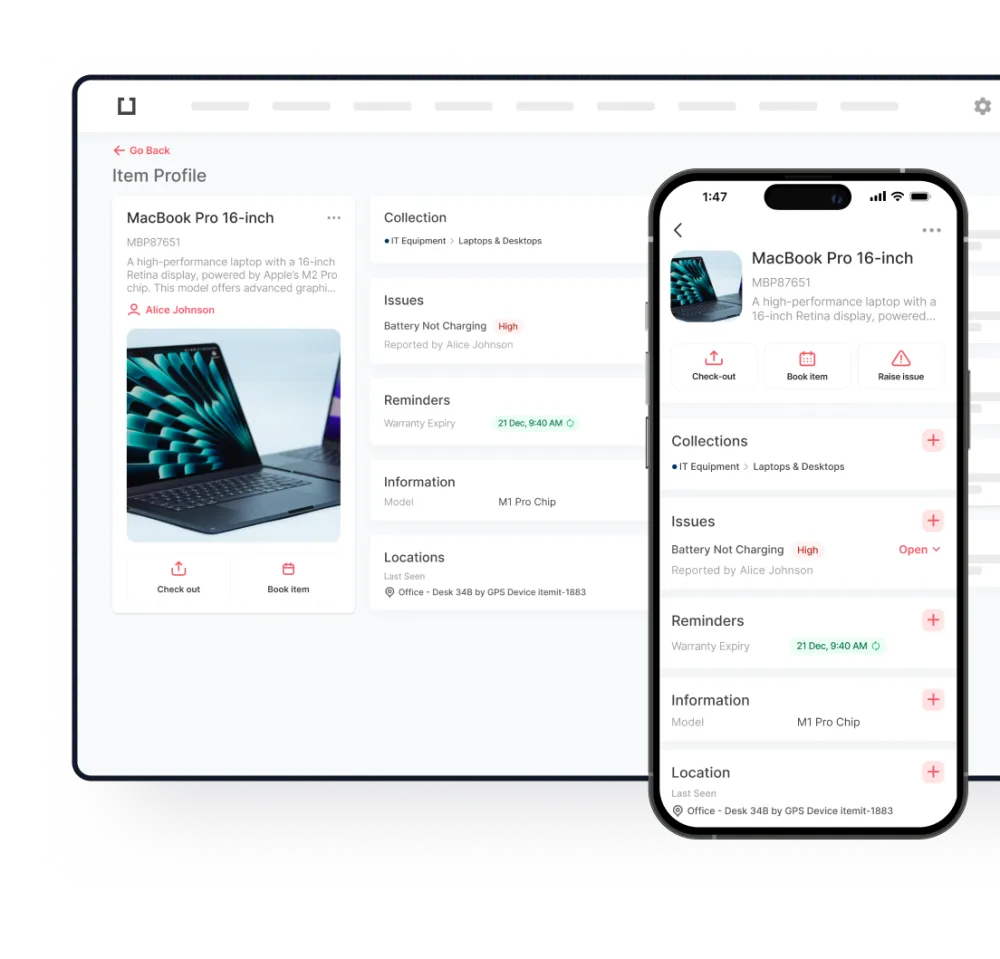
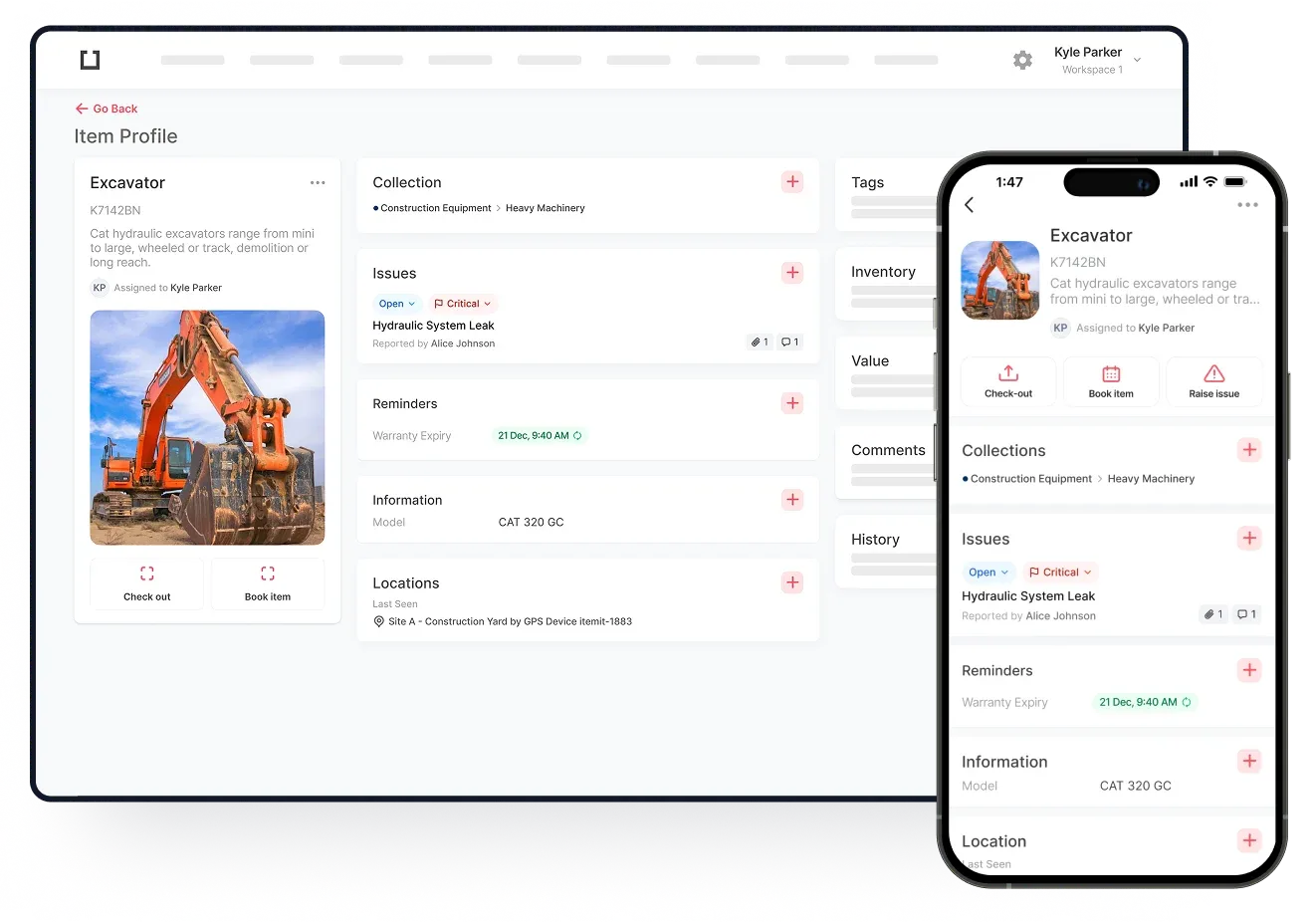
This is where asset register software comes in. With church inventory software, you can log asset information in unique profiles that correspond to assets instead of letting information get lost in a spreadsheet.