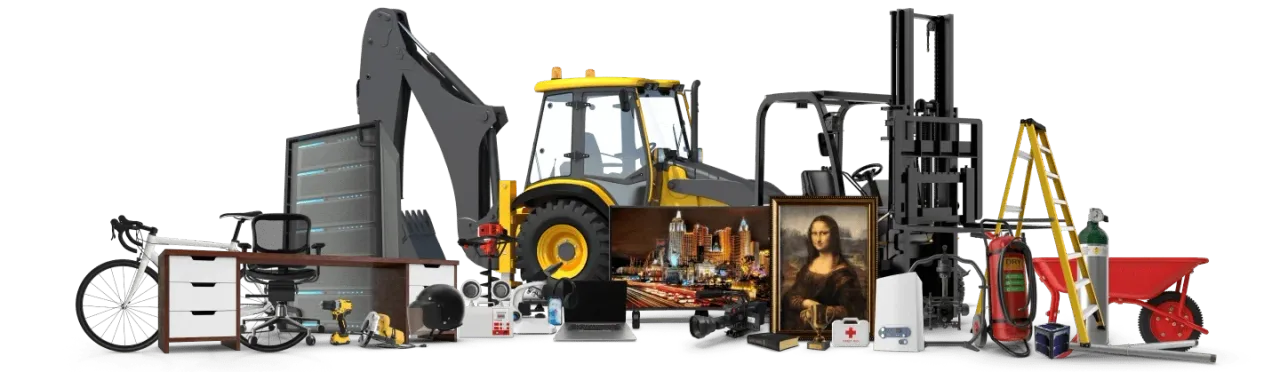
Trying to list all the IT-related assets that you may have can often be quite a baffling task. From mice to headphones, the list of assets seems nearly endless. Consequently, it comes as no surprise that managing this horde of assets is quite the hassle.
Fortunately, you’re at the right place. We’re here to help you out with this encumbrance and transform IT asset management from being a hard row to hoe to something so simple that you’ll be able to do it with your eyes closed. Continue on to learn more!

What are IT Assets?
An asset is simply something that you own that plays a role in your day-to-day business operations. Whether it’s employed in producing goods or services, or simply a plot of land owned by the business, assets encompass anything and everything that a business may own.
However, the term “IT asset” refers to a specific sub-segment belonging to assets. Comprising any and all tools that help you in conducting computer-based tasks, IT assets can vary from hardware to software. Even digitally-stored information that holds some inherent value for your business makes the cut.
To aid your understanding, let’s have a brief view of the three different forms of IT assets:
- Hardware: Any physical object that helps you conduct digital tasks is considered to be IT hardware. For instance, laptops, smartphones, mice, keyboards, printers, Wi-Fi routers, and telephones.
- Software: Purchased or leased software that helps in conducting your business operations, such as your employee’s data-tracking software system, are also considered IT assets.
- Digital Information: Any information that is useful to business operations is considered to be an IT asset. These could be licence agreements, financial datasheets, or even NFTs or crypto assets.
What is IT Asset Management and Why Do You Need it?
As an IT-intensive company, some of your routine tasks will involve keeping track of many different assets. As such, ITAM (IT Asset Management) software is an absolute necessity.
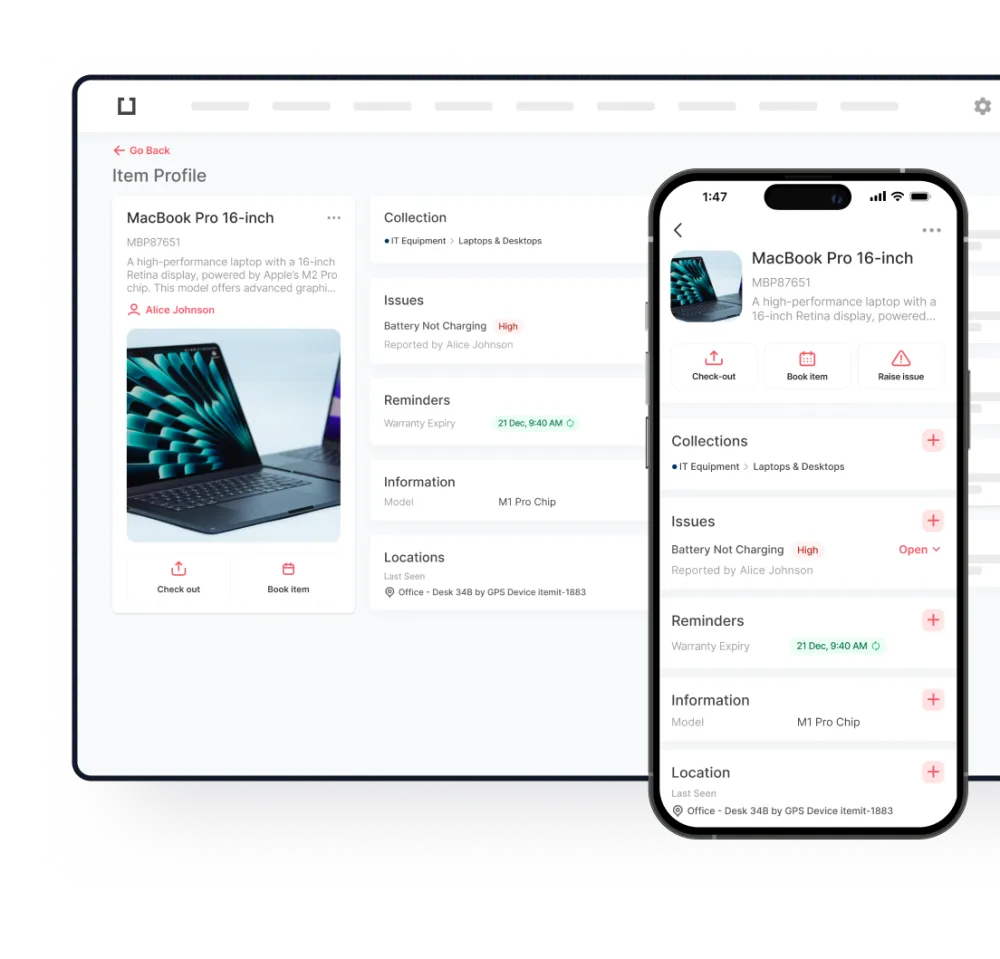
Using an ITAM, you can assign unique profiles – equipped with important information – to each of your IT assets. For instance, you can create a new asset profile for a laptop, which can then store details such as the specifications, purchase price, warranty information, and so forth.
Moreover, IT asset management involves tracking much more functional data. From the current assignee to the next maintenance date, itemit’s ITAM places all such information directly into the palm of your hand. This makes the data both easy to understand and accessible, allowing you to make well-informed decisions for your business.
Recording unique information for different assets opens a lot more possibilities to improve your business’s efficiency and productivity. By localising all the data and storing it in one specific location, itemit’s IT asset management software, gives you greater clarity and more control over your IT assets, opening up ways for your business to grow.
Not only can you create an accurate asset register, but you can also create customisable reports to observe how your IT assets are being utilised. Used correctly, these reports can prove to be the dark horse in boosting your business productivity, giving you an edge over your competitors.
From keeping a detailed and updated log of all your IT assets to sending asset maintenance reminders, itemit’s asset register has it all. With the help of such powerful tools aiding you in minimising costs, your business will be sure to grow.