Advanced Strategies for Inventory Optimisation
Waste and Theft Reduction
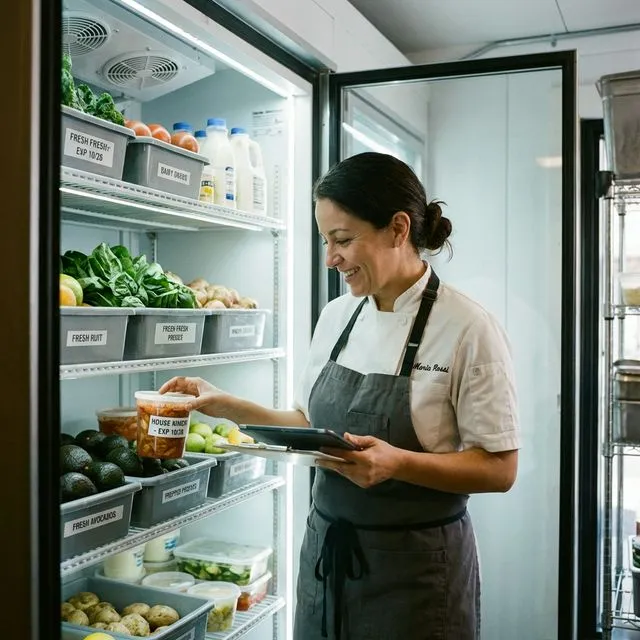
Track waste religiously across categories, including spoilage, preparation waste, cooking errors, and customer returns. Understanding where waste occurs helps address the root causes rather than just the symptoms.
Implement portion control standards. Train kitchen staff consistently. Many restaurants lose significant money through inconsistent portioning - extra ounces on each protein serving devastate food costs.
Review prep procedures regularly. Over-prepping leads to spoilage; under-prepping leads to rushed decisions and waste. Use sales forecasting to optimize prep quantities.
For theft prevention, establish clear accountability procedures. Implement dual verification for high-value items. Regular spot checks and surprise counts maintain accountability while deterring theft.
Smart Inventory Planning
Effective Inventory Planning requires understanding your restaurant's unique patterns.
Analyze historical sales data for daily, weekly, seasonal, and special event trends. Weather, local events, and holidays all impact customer traffic and menu preferences.
Build buffer stock based on variability, not just average usage. If you typically use 10 cases of tomatoes weekly but usage varies from 7 to 15 cases, your par level should account for this variation.
Consider lead times and delivery schedules when setting par levels. If your produce vendor delivers twice weekly, you need enough inventory to last 3-4 days, not just daily usage.
Develop relationships with multiple suppliers for critical ingredients. Having backup suppliers ensures continuity when primary vendors face issues.
Seasonal Adjustments
Understand seasonal availability and pricing for key ingredients. Build menus around ingredients when they're at peak quality and value.
Develop relationships with local suppliers for seasonal items. Local sourcing often provides better quality and pricing while supporting your community.
Plan menu changes well ahead of seasonal transitions. This allows efficient use of existing inventory while preparing for new seasonal offerings.
Analyze historical data to understand seasonal sales patterns. Most restaurants see significant variations in customer traffic and menu preferences throughout the year.
Technology Solutions That Actually Work
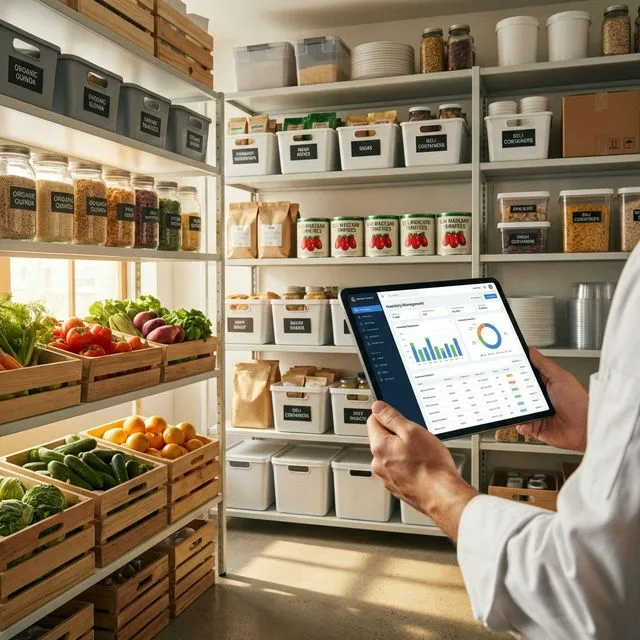
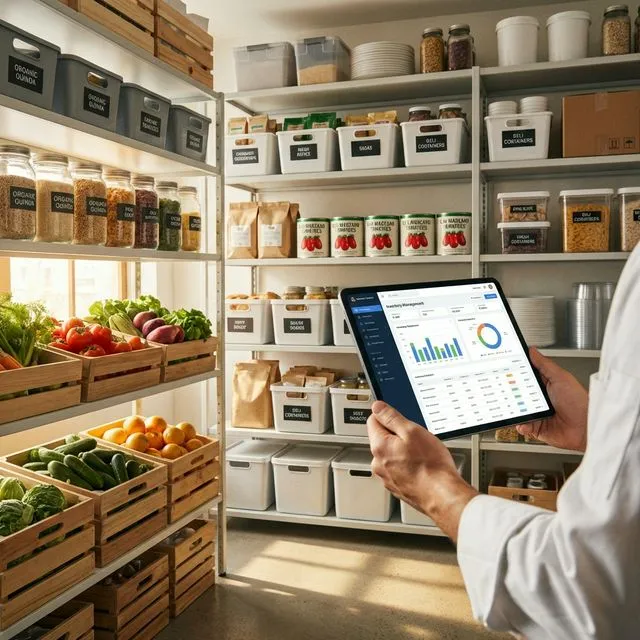
Modern inventory management software for restaurants ranges from simple tracking apps to comprehensive enterprise platforms.
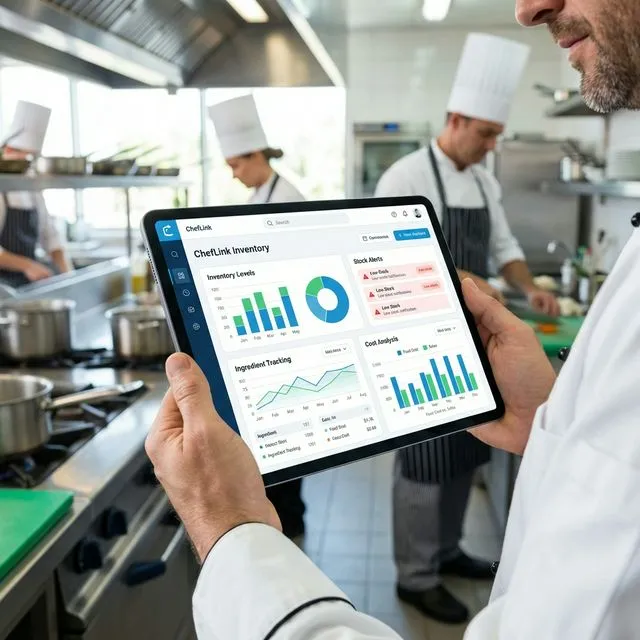
Cloud-based solutions offer automatic updates, multi-location accessibility, and reduced IT requirements. These systems integrate seamlessly with major point-of-sale (POS) platforms, providing real-time analytics.
Enterprise Solutions provide comprehensive functionality but require significant investment and implementation time. These work best for multi-location operations or restaurants with complex requirements.
Specialized Restaurant Applications focus specifically on restaurant inventory needs: recipe costing, waste tracking, and supplier integration. These solutions often provide the best balance of functionality and usability for single- and small-multi-unit operations.
Mobile and Integration Features
Mobile counting applications enable staff to count inventory directly using smartphones or tablets. This eliminates double-entry processes while reducing errors and providing real-time updates.
Barcode and QR Code Integration speeds up the receiving and counting processes. Many systems generate custom labels for items lacking scannable codes.
POS Integration provides real-time usage tracking, allowing your POS system to automatically deduct ingredients based on sales.
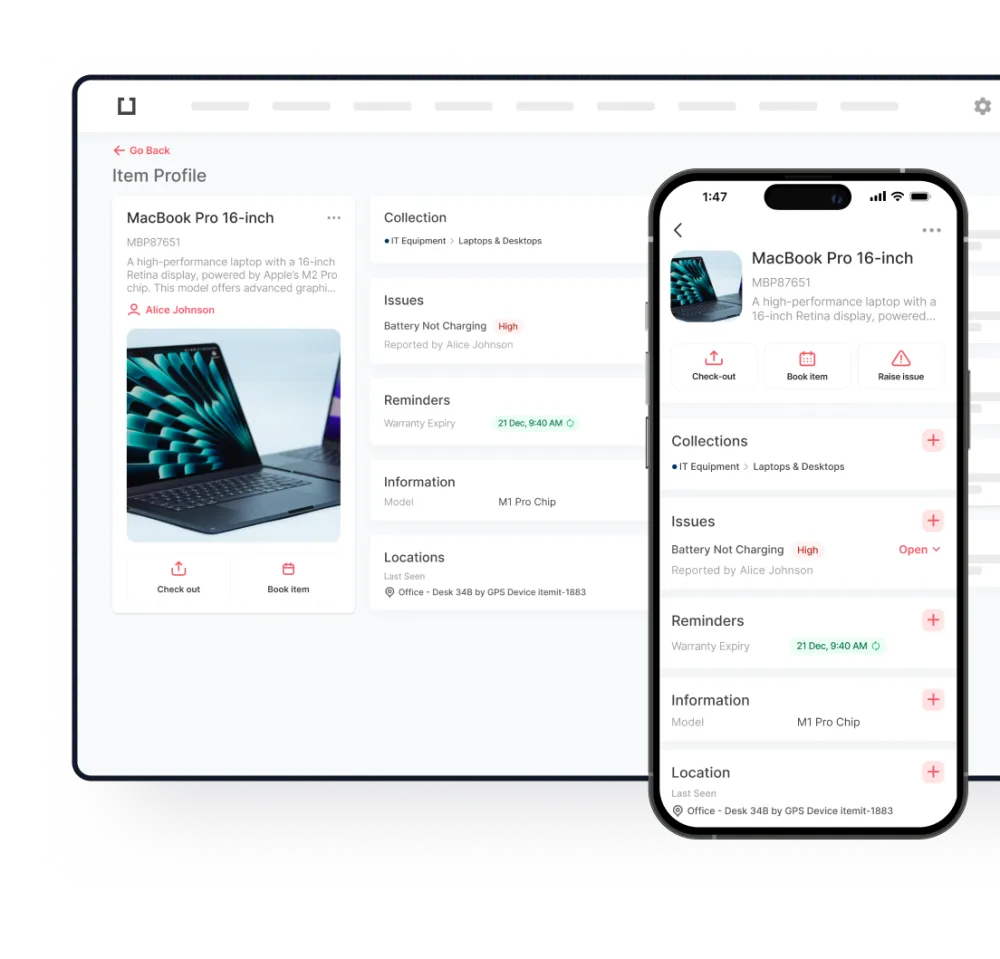
However, comprehensive restaurant asset tracking extends beyond consumable inventory. A robust asset management solution handles all assets: kitchen equipment, technology hardware, furniture, cleaning equipment, and security systems.
Implementation: Your 90-Day Success Plan
Days 1-30: Foundation Building
Audit current restaurant inventory management practices. Document existing procedures, identify pain points, and establish baseline metrics.
Select and implement your chosen inventory management software for restaurants. Focus on basic functionality first - accurate counting, receiving, and basic reporting. Avoid implementing every feature simultaneously.
Train core team members on new procedures and technology. Start with managers and key personnel responsible for day-to-day inventory management.
Establish par levels for all items based on historical usage and lead times. Be conservative initially - adjust levels as you gather more data.
Days 31-60: Process Refinement
Analyze the first month's data to identify patterns and discrepancies. Identify high-variance items and investigate their root causes.
Refine counting procedures based on initial experience. Adjust schedules, responsibilities, and methods to improve accuracy and efficiency.
Implement waste tracking procedures. Understanding waste patterns proves crucial for optimisation.
Train all staff on new procedures, not just management. Everyone handling inventory needs to understand their role.
Days 61-90: Optimisation and Advanced Features
Implement advanced features, including automated ordering, recipe costing, and predictive analytics.
Conduct comprehensive supplier relationship reviews. Use two months of data to negotiate better terms or identify new suppliers.
Establish regular review procedures for ongoing optimisation. Schedule monthly metric reviews and quarterly deep dives.
Plan future enhancements or expansions to your restaurant inventory management system.
Food Cost Percentage: Track monthly and compare to historical performance and industry benchmarks.
Inventory Turnover: Calculate annual inventory turns. Higher turnover generally indicates better cash flow and fresher products.
Waste Percentage: Monitor waste as a percentage of total purchases. Track by category to identify specific improvement opportunities.
Variance Percentage: Compare theoretical usage (based on sales) to actual usage. Large variances indicate waste, theft, or system inaccuracies.
Stockout Frequency: Track how often you run out of menu items. Frequent stockouts indicate poor planning or inadequate par levels.
Order Accuracy: Monitor the percentage of orders received accurately. Poor accuracy costs time and money.
Advanced Analytics and Future Trends
Modern restaurant inventory management systems generate vast data, but success lies in transforming this information into actionable insights.
Sales Pattern Analysis
Understanding which menu items sell when helps optimize inventory levels and reduce waste. Analyze sales by day, time, season, and special events.
Supplier Performance Metrics
Track delivery accuracy, quality scores, and pricing trends for each supplier. This data informs decisions and negotiations related to vendor relationships.
Menu Item Profitability
Combine inventory costs with sales data to understand the true profitability of each menu item. Consider both food cost and inventory turnover speed.
Predictive Ordering
Use historical data and upcoming events to predict inventory needs more accurately. Advanced systems automatically generate suggested orders based on forecasted demand.
Emerging Technologies
Artificial Intelligence and Machine Learning: AI-powered systems predict demand, optimize orders, and identify waste patterns while continuously improving recommendations.
Internet of Things (IoT) Integration: Smart sensors monitor temperature, humidity, and storage conditions automatically. Some systems track container openings and item removal.
Voice-Activated Systems: Voice technology enables faster and more accurate inventory counting and data entry, making it especially valuable in busy kitchen environments.
Computer Vision: Emerging technologies use cameras and AI to automatically count inventory, reducing labor requirements while improving accuracy.
Multi-Location Management
For restaurant groups, coordinating inventory management for restaurants across multiple locations presents unique challenges and opportunities.
Centralized vs. Decentralized Models: Determine which aspects should be centralized (such as purchasing and vendor relationships) and which should remain local (e.g., daily counting and receiving).
Standardized Procedures: Implement consistent procedures across all locations while allowing for local variations in supplier relationships and product availability.
Cross-Location Analysis: Compare performance metrics across locations to identify best practices and opportunities for improvement.
Bulk Purchasing Opportunities: Coordinate purchasing across locations to achieve better pricing and terms.
Technology Integration: Ensure your restaurant inventory management system handles multi-location reporting and coordination while maintaining location-specific controls.
Sustainability and Waste Reduction
Environmental responsibility increasingly influences restaurant inventory management. Reducing food waste benefits both profits and the planet.
Circular Economy Approaches: Some restaurants convert waste into compost, partner with food recovery organizations, or find creative uses for typically discarded items.
Sustainable Sourcing: Inventory planning now incorporates sustainability criteria, including local sourcing, organic options, and environmentally responsible packaging.
Waste-to-Energy Programs: Advanced restaurants explore converting food waste into energy or other useful products, transforming waste from a cost center to a potential revenue source.
Your Path to Inventory Success
Restaurant inventory management transforms chaos into systematic profitability. Begin with consistent counting procedures and accurate par levels before moving on to more complex features. Choose inventory management software for restaurants that meets current needs while accommodating future growth.
Train your team thoroughly - your system succeeds only when people use it properly. Monitor key metrics: food cost percentage, inventory turnover, waste levels, and variance.
Think beyond food. Comprehensive restaurant management requires tracking all assets. The itemit asset tracking solution provides complete operational visibility for kitchen equipment, maintenance schedules, compliance documentation, and multi-location coordination.
Every dollar saved through better inventory management for restaurants goes directly to your bottom line. In an industry where margins stay tight, effective inventory management isn't optional - it's essential for survival.
Transform your inventory management today. Your future profitability depends on it.