How to Manage Preliminaries in Construction and Avoid Budget Overruns

By itemit Team
Published on February 20, 202610 min read
Back to Blog
Preliminaries in construction

Your project's running smoothly until someone checks the scaffolding invoice and realises it's triple the estimate. Poor management of preliminaries in construction bleeds budgets dry faster than most contractors expect, eating up 5% to 15% of total project value. Knowing what the preliminaries in construction and keeping them under control separates profitable contractors from those constantly chasing lost margins.

What Are Preliminaries in Construction?

Preliminaries cover every cost you need to get construction work done that can't be pinned to specific building components. The scaffolding holding up your bricklayers? That's a prelim cost. The bricks? Not prelims. Site manager's salary? Prelims. Subcontractor labour? Nope.

Think of it this way. Preliminaries are the operational backbone keeping actual construction moving. No temporary power means your tools don't run. No welfare facilities means workers can't legally occupy the site. No site security means your materials walk off overnight. These expenses keep everything functioning even though they produce nothing you can point at in the finished building.

UK construction contracts split preliminaries into two types that behave completely differently. Fixed preliminaries happen once regardless of how long your project takes. Time-related preliminaries accumulate throughout the programme. Run four months over schedule and watch your prelim budget get demolished. The permanent works scope hasn't changed one bit. Doesn't matter. Those weekly costs kept ticking.

TypeBehaviourExamplesProgramme Impact
FixedOne-off costs incurred regardless of durationSite setup, mobilisation, permits, initial hoarding, temporary building connectionsStays constant if programme extends
Time-relatedAccumulates weekly/monthly throughout projectPlant hire, site management salaries, welfare running costs, security, scaffolding hireIncreases directly with every delay

Key Preliminary Categories to Address During Preconstruction

The preconstruction phase decides if your preliminary budget survives or collapses. Rush your estimates and you'll produce fictional numbers that fall apart under scrutiny. Thorough preconstruction planning identifies what you actually need before you've committed to anything.

Site Establishment and Temporary Services

Site establishment turns raw land into somewhere you can actually build. Access roads, site compounds, hoarding, welfare cabins, material storage, security fencing. Each item needs realistic pricing based on your specific site conditions. Generic allowances won't cut it. A tight urban plot with no laydown space costs more to establish than a greenfield site with room to spare.

Temporary services keep everything operational. Remote sites demand more investment in electrical connections, water supply, and telecoms. Urban sites cost less to service but might need traffic management plans and neighbour liaison programmes. Those generate their own preliminary expenses that catch contractors off guard.

Plant, Equipment, and Management

Plant and equipment serving the whole project belongs in preliminaries. Tower cranes working across multiple trades rack up substantial prelim costs every single week. Specialist kit hired for particular tasks goes into relevant work sections instead.

Management and supervision costs build up throughout delivery. Site managers, QSs, health and safety officers. Their salaries represent time-related expenses that grow whenever programmes extend. Preconstruction planning needs to assess management requirements based on actual project demands. Not just slapping on a percentage mark-up.

How Your Construction Phase Plan Affects Preliminary Costs

Construction phase plan

Your construction phase plan serves as the operational blueprint once work kicks off. Weak plans create coordination failures that inflate preliminary costs through delays, abortive work, and emergency interventions. Strong plans do the opposite by anticipating dependencies and building realistic allowances into your budget from the start.

Consider trade sequencing. Bricklayers need scaffolding. Mechanical contractors need the same scaffolding for external work. Proper coordination keeps it in place for both rather than striking and re-erecting. Poor sequencing forces repeated plant moves, extra supervision hours, wasted materials. Each one lands in your prelim budget. The same logic applies to tower crane usage, material deliveries, and subcontractor access.

Beyond sequencing, your construction phase plan must account for regulatory obligations that generate their own prelim costs. Health and safety arrangements require dedicated personnel, training programmes, monitoring systems, PPE provisions. CDM regulations don't care about your profit margins. Spell these requirements out clearly or your estimates reflect wishful thinking rather than actual obligations.

Weather adds another layer of preliminary exposure on any UK project. Winter working means additional lighting, heating, ground protection, drying-out allowances. These extend programmes, and every extra week on site inflates those time-related preliminaries you budgeted so carefully. A realistic construction phase plan accounts for seasonal conditions rather than assuming perfect weather year-round.

Building a Resource Management Plan That Protects Margins

Equipment and material control separates profitable contractors from those perpetually wondering where margins vanished. A proper resource management plan tracks everything entering and leaving site, assigns accountability, and prevents the gradual asset leakage that erodes project finances.

Without controls, construction sites descend into chaos. Tools end up scattered across multiple locations. Equipment gets borrowed and never comes back. Materials sit exposed to weather because nobody owns responsibility for proper storage. Consumables disappear faster than usage rates justify. Each failure represents a preventable preliminary cost increase that chips away at your margin.

The solution starts with clear custody protocols. Without them, accountability becomes impossible and losses stay invisible until the final account reveals the damage. Your resource management plan needs to establish who owns responsibility from the moment assets arrive on site until they leave.

An effective plan addresses five priorities:

  • Delivery procedures specifying who receives goods, checks quantities, and signs off
  • Storage assignments designating where each material type belongs and who maintains it
  • Equipment checkout records tracking custody transfers between personnel
  • Movement documentation logging when assets shift between locations or projects
  • Condition reporting capturing damage or wear at each handover point

These protocols only work if you also address maintenance. Plant sitting idle awaiting repairs generates hire costs without any productive output. A £500 weekly hire charge doesn't pause while you wait for parts. Preventive maintenance schedules keep equipment running while breakdown response protocols minimise downtime when problems occur. Your resource management plan needs to specify both preventive and reactive procedures, because equipment availability directly affects your preliminary cost exposure.


Digital Tools for Controlling Preliminary Costs

Paper systems can't handle modern construction realities. Multiple sites, shifting personnel, constant material flows. They overwhelm manual tracking. Misplaced generators, duplicate tool purchases, ghost equipment collecting hire charges while sitting unused. Without systematic visibility, these problems become inevitable.

Picture this scenario. Site A requests a generator. An identical unit sits unused at Site B. The project manager, lacking visibility, approves a new hire. Preliminary costs rise for no good reason. Multiply this across dozens of equipment categories, and you'll see why margins erode so quickly.

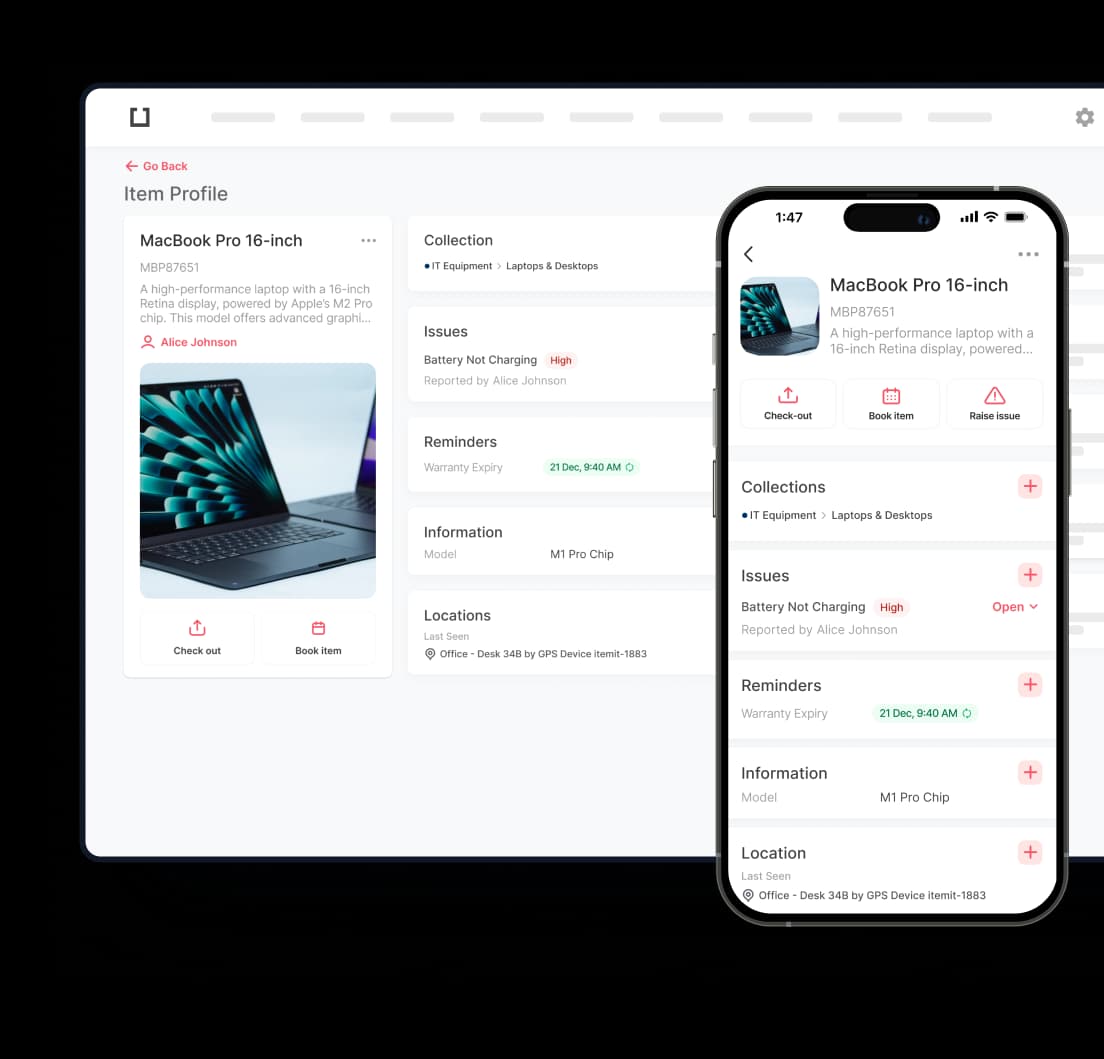
Asset tracking software tackles this problem head-on. Tag every piece of equipment with QR codes. Workers scan them using mobile devices. Locations update automatically. Availability becomes visible across all projects. The system eliminates duplicate hires and spots underutilised assets you can redeploy elsewhere.

itemit's platform delivers real advantages for preliminaries in construction management. The mobile app works offline, which proves critical on sites with patchy connectivity. Workers update equipment status regardless of signal, with data syncing automatically once the connection returns. Maintenance schedules trigger automated reminders. That prevents emergency breakdowns from generating costly delays and downtime. The audit trail shows exactly which equipment was where and who had custody, resolving disputes quickly when historical records provide definitive evidence.

Asset Tagging and Accountability

Physical asset control prevents the gradual equipment losses inflating your prelim budget. Asset tags attached to tools, plant, and equipment create individual accountability. Scan a tag. Record custody. Document location. The system tracks every movement throughout the project.

Theft becomes harder when tagged items create audit trails. Negligent handling reduces when operators know equipment records trace back to them personally. Lost items become easier to recover when unique tags enable identification. QR codes work with standard smartphones. Aluminium tags withstand harsh site conditions. RFID tags enable bulk scanning for larger inventories.

The construction equipment tracking capabilities of modern systems show maintenance histories attached to individual assets. Service schedules, repair costs, remaining useful life. Utilisation data reveals which equipment earns its keep and which generates costs without matching productivity. That visibility drives better purchasing decisions and prevents money sitting idle in underused plant.

Estimating Preliminaries Accurately

Preconstruction planning

Percentage-based preliminary estimates give you quick approximations. Rarely accurate ones, though. A 10% prelim allowance treats a straightforward warehouse extension identically to a confined urban renovation requiring extensive traffic management. Both projects might cost £1.5 million. One needs £120,000 in prelims. The other needs £200,000. Generic percentages hide that gap until it's too late.

Detailed bottom-up estimation produces more reliable figures. Price each preliminary item individually. Site duration, access constraints, regulatory obligations, management demands, welfare requirements, security provisions. All get explicit consideration rather than being averaged into generic percentages.

Smart contractors combine both methods for preliminaries in construction estimation. Percentages provide initial sanity checks. Detailed breakdowns deliver tender-ready figures. Historical data from completed projects reveals where estimates consistently over- or under-perform. That feedback loop improves accuracy over time. Track your actual prelim costs against budgets on every job, and patterns emerge.

Knowing the types of construction equipment your project requires helps quantify plant-related preliminaries. Tower cranes generate different cost profiles than excavators. Hire rates, operator requirements, mobilisation expenses, and fuel consumption. They all vary considerably.

Managing Programme Changes and Variations

Construction projects rarely proceed exactly as planned. Client variations, design development, and unforeseen ground conditions all generate programme impacts that directly inflate time-related preliminary costs. A two-week delay might seem minor until you calculate the site management, plant hire, welfare, and security costs ticking away throughout. Controlling these impacts requires documentation, governance, and proactive relationships.

Start with documentation. Contractual provisions exist to recover additional preliminary costs from legitimate delays, but you've got to capture impacts as they happen. Site diaries recording disruption events, delay notices submitted per contract requirements, tracked impacts on resources. That's your evidence base for legitimate claims. Without contemporaneous records, valid claims become impossible to prove.

Your construction management plan should include escalation procedures for preliminary cost overruns. Who has authority to approve additional expenditure? What triggers a formal review? Clear governance prevents unauthorised spending while enabling necessary responses to changing circumstances. When everyone knows the rules, decisions happen faster with less friction.

Prevention beats recovery. Building strong supplier relationships helps control preliminary costs before overruns occur. Suppliers who value your business prioritise your requirements during shortages and offer advance notice of price changes. This matters for construction business development beyond individual projects because reliable suppliers become long-term partners.

Benchmarking ties everything together. BCIS publishes preliminary cost analyses based on thousands of actual UK projects. Compare your performance against these figures regularly. Persistent underperformance signals operational inefficiencies requiring attention, helping you target improvements where they'll have the biggest impact.

Turning Preliminary Management Into Competitive Advantage

Construction firms winning work and protecting margins treat preliminary management as a competitive advantage. Not administrative overhead. Your construction phase plan, resource management plan, and preconstruction processes determine if these costs stay controlled or spiral beyond recovery. The tools exist. The techniques work. Applying them consistently? That's the only real question.

Ready to take control of your preliminary costs? Book a demo with itemit to see how digital asset tracking can cut unnecessary spend and protect your project margins.

Frequently Asked Questions

What percentage of project costs should preliminaries represent?

UK construction preliminaries generally range from 5% to 15% of total project value. Challenging urban sites or projects with extended durations tend to push higher. Detailed bottom-up estimation produces more accurate figures than generic percentages.

How do time-related preliminaries differ from fixed preliminaries?

Fixed preliminaries occur once regardless of project duration. Site establishment, initial security setup, permits. Time-related preliminaries accumulate throughout the programme. Weekly plant hire, ongoing supervision salaries, recurring consumables. Programme extensions inflate time-related costs while fixed costs stay put.

What causes preliminary budget overruns most frequently?

Programme extensions top the list. They inflate time-related costs without adding permanent works value. Other culprits include inadequate initial estimates based on percentage assumptions, poor equipment tracking leading to losses and duplicate hires, and scope changes increasing management demands without corresponding budget adjustments.

How can digital tools reduce preliminary costs?

Asset tracking software provides real-time visibility into equipment locations and utilisation. That prevents duplicate hires and identifies underused assets for redeployment. Automated maintenance reminders prevent emergency breakdowns. Digital audit trails reduce losses and speed dispute resolution.

Should preliminaries be priced separately in tenders?

Yes. Transparent preliminary pricing benefits both contractors and clients by showing exactly what site running costs include. This clarity prevents disputes about hidden costs. JCT and NEC contracts both accommodate detailed preliminary breakdowns.

Choose a better way to track your assets.

Start your trial. 14 days. No risk. No credit card.

itemit Asset Tracking Assets

Don't just track it. itemit.

Start your trial. 14 days. No risk. No credit card.

Assets tracked using itemit