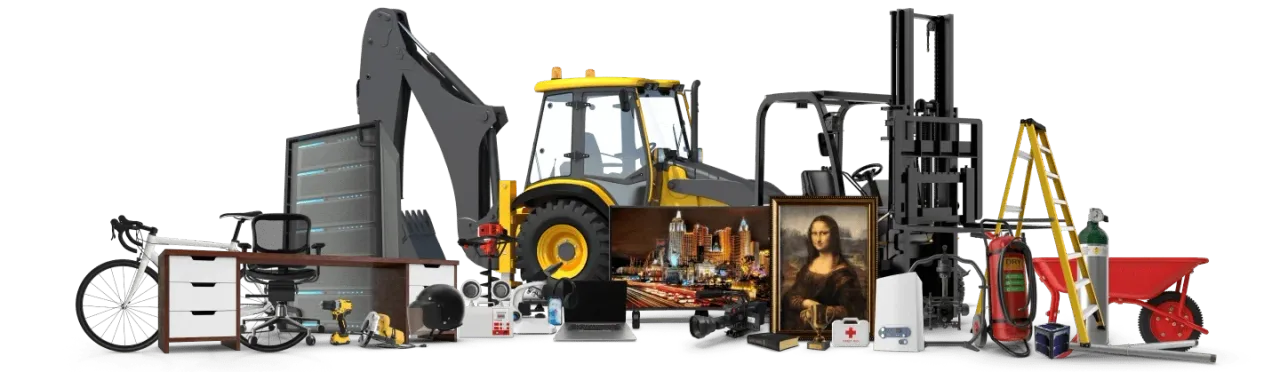
Your equipment needs to be looked after. From the moment you purchase it and throughout its lifecycle, you need to use an equipment management system. When you use a system such as this you’re more likely to have tools, vehicles, facilities, and equipment in good working order. However, there’s a real chance that your current equipment management may not work with any emerging technologies.
So, just what are these emerging technologies, and will you need to upgrade your current management system? Let’s take a look at this now.
The Emergence Of Augmented Reality
Augmented reality seems to be predominantly used in the gaming world right now. It is also used by a popular online store, allowing would-be purchasers to see if a sofa would fit in their living room. With regards to future use, augmented reality could help users to learn more about an asset listed in their equipment management system.
Secondly, this relatively new technology could help users to locate assets with ease. When using the technology, users could see exactly where the much-needed asset is. For example, they could see where a box of books is stored in a cramped warehouse. A shoe seller could see where a customer’s handmade shoes are being stored in the back room. A nurse could see if an ECG machine is still on the same ward.
While this is all conjecture for now, there’s a real opportunity for augmented reality to help in many ways in the workplace. For example, someone who has recently purchased a new printer could use augmented reality to access user instructions.
Maintaining Assets From Wherever You Are
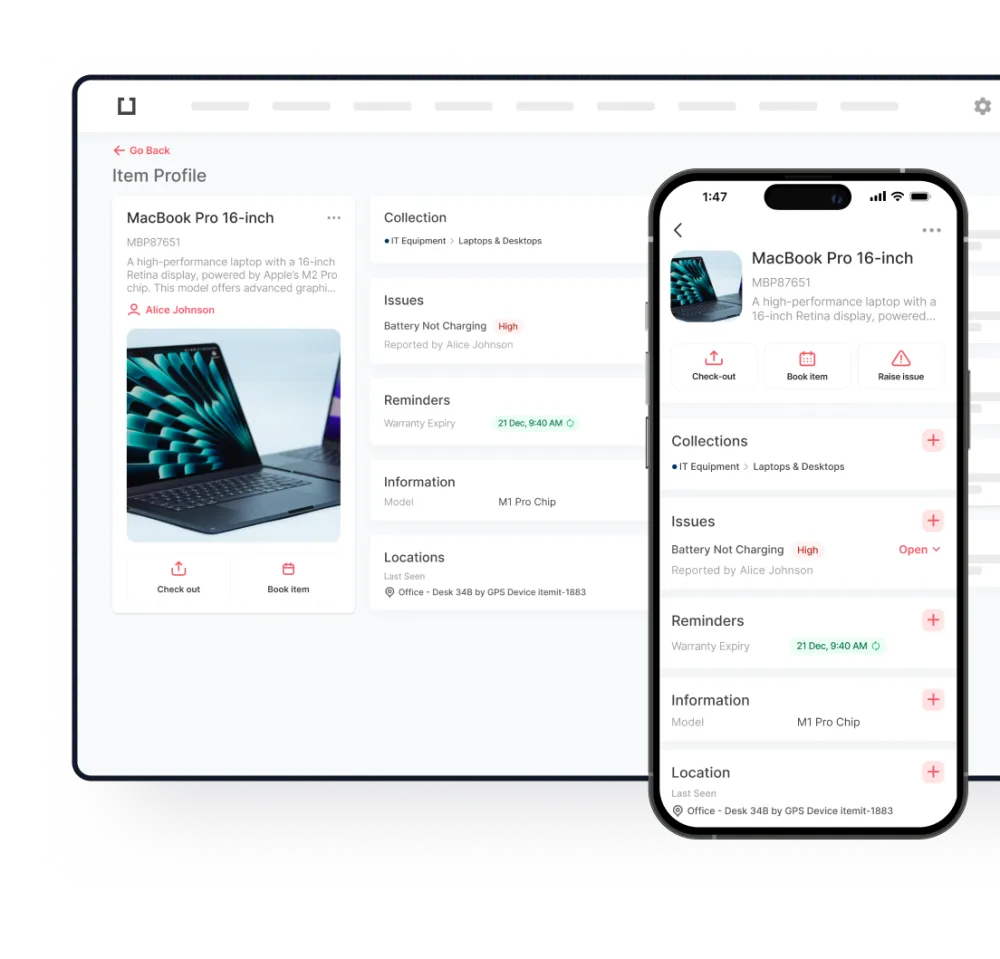
A lot more people work from home now. As a result, the use of an equipment management system has become more essential. Management systems such as this now mean that assets can be maintained from wherever you are. This ensures that your equipment, machinery, tools, vehicles, and even buildings are kept in better condition.
While keeping your tools, etc. in good condition is relatively easy now, it’s likely that it will become even easier. Diagnostic equipment, for example, may become more accurate. It may also be possible to receive more detailed reports about what has gone wrong with an asset. A result of this means that making repairs could be quicker and easier. If the diagnostic equipment was also linked to the software that automatically orders new parts, the right parts would be in stock all of the time. What this means is that repairs could be carried out sooner rather than later. The good news is that this is not something that’s completely new. Depending on the equipment management system that you use, maintaining assets could already be rather futuristic.