Growing a construction company requires more than just skilled labor and reliable equipment. Construction business development demands strategic planning, operational efficiency, and adaptability to changing market conditions. Success comes from building solid relationships, managing resources effectively, and staying ahead of industry shifts that can make or break your competitive edge.
Key Takeaways
- Strategic planning forms the backbone of any successful construction business, requiring clear goals, market analysis, and financial projections
- Construction equipment tracking eliminates costly losses, improves utilization rates, and provides real-time visibility into asset locations across multiple job sites
- Client relationships and reputation management drive repeat business and referrals, which account for the majority of new contracts in the construction sector
- Technology adoption separates growing companies from stagnant ones, with digital tools streamlining operations from bidding to project closeout
- Financial discipline and cash flow management prevent the common pitfall of having profitable projects on paper while struggling to meet payroll
- Workforce development and retention reduce costly turnover and build a skilled team that enhances your company's capabilities
Building a Foundation: Your Construction Business Plan
A robust building construction business plan serves as your roadmap to growth. This living document outlines your company's direction, financial projections, and competitive positioning. Start by defining your niche. Will you focus on residential remodels, commercial projects, or infrastructure work? Specialization often trumps being a generalist, especially when you're establishing credibility.
Your plan should include detailed market research. Who are your competitors? What gaps exist in your local market? Construction industry trends indicate a growing demand for sustainable building practices and the integration of smart building technology. Companies that position themselves to meet these demands gain an advantage.
Financial projections need to be realistic, not optimistic. Include your startup costs, operating expenses, expected revenue, and cash flow forecasts. Construction projects often have delayed payments, so planning for cash flow gaps prevents the crisis that sinks many otherwise successful contractors.
Don't overlook the operational details. Your building construction business plan should address practical matters like material sourcing and equipment decisions. Many growing contractors discover that poor construction asset management becomes a hidden drain on profitability as they scale.
Mastering Construction Business Management
Effective construction business management separates thriving companies from those barely surviving. You need systems for everything: estimating, scheduling, procurement, and quality control. Relying on memory or scattered spreadsheets creates chaos as your business grows.
Project management software has become standard. These platforms centralize communication, track progress, and flag potential issues before they become expensive problems. Your team requires real-time access to drawings, specifications, and schedules, particularly when collaborating across multiple sites.
Financial management deserves special attention. Many construction companies fail despite having plenty of work because they manage cash flow poorly. Invoice promptly. Track receivables aggressively. Know your costs down to the smallest detail. A project might look profitable on your bid, but change orders, delays, and untracked expenses can quickly erode margins.
Risk management protects your growing business. This means proper insurance coverage, safety protocols, and contract review. One major accident or lawsuit can devastate years of careful growth. Safety programs reduce incidents while demonstrating professionalism to clients and insurance providers.
Quality control systems ensure consistent delivery. Create checklists for common tasks. Conduct regular inspections. Address problems immediately rather than hoping they'll resolve themselves. Your reputation hinges on the quality of every project, and properly managing the types of construction equipment prevents breakdowns that could derail timelines.
Equipment Management: The Hidden Growth Lever
Equipment represents a massive investment for construction companies. Poor equipment management results in financial losses due to theft, loss, underutilization, and unnecessary rentals. Construction equipment tracking provides visibility and control that directly impacts your bottom line—often more than contractors realize.
Traditional methods—clipboards, spreadsheets, or simple memory—fail as you scale. Equipment moves between job sites. Tools get borrowed and never returned. Maintenance schedules get ignored until something breaks at the worst possible moment. These problems multiply with company growth.
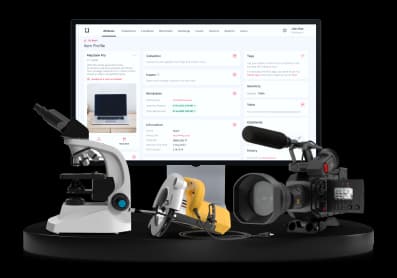
Modern equipment management systems change this chaos into organized efficiency. QR codes or barcodes attached to equipment enable instant tracking through mobile devices. Scan a tool when it leaves the warehouse. Scan again when it arrives on site. The system automatically updates location records and assignment status.
The benefits extend beyond knowing where things are. You can track maintenance schedules, ensuring equipment receives preventive care before failures occur. This extends equipment life and reduces costly emergency repairs. Usage data reveals which equipment sits idle and which gets overused, informing smarter purchase and rental decisions.
Materials and consumables also require careful oversight. Running out of crucial supplies delays projects and frustrates crews. Overstocking ties up capital and creates storage headaches. Real-time inventory visibility helps maintain the right balance.
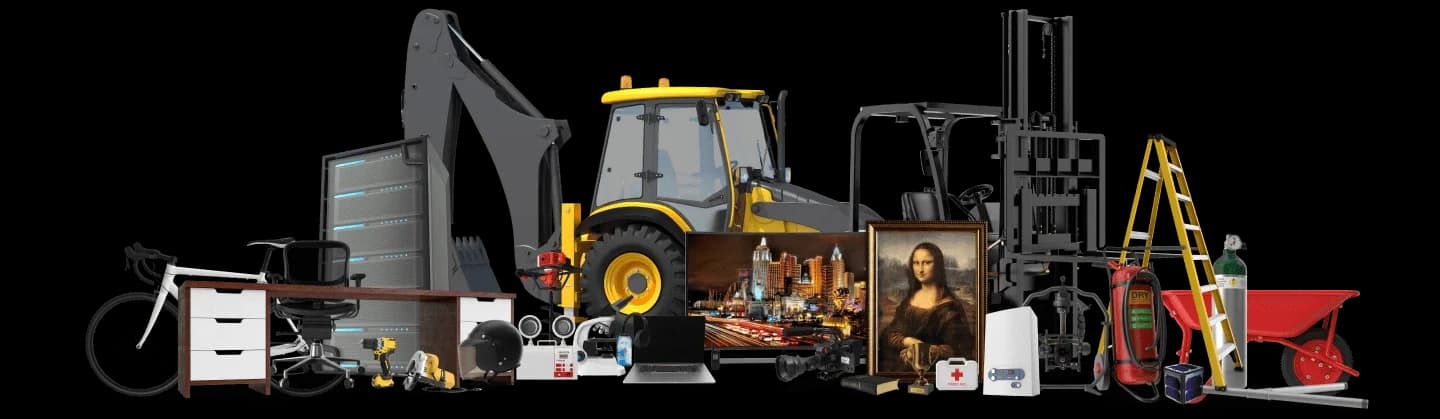
Consider the variety you manage: excavators, loaders, generators, compressors, hand tools, safety equipment, and specialized machinery. Each category requires different management approaches. Heavy equipment requires GPS tracking for theft prevention and to provide precise location data. Smaller tools benefit from check-in/check-out systems that create accountability.
Client Acquisition and Relationship Building
Growing a construction business begins with securing the right clients. Not all projects serve your growth goals equally. A large, complex project with a notoriously difficult client might seem attractive but it could drain resources and damage your reputation.
Your network drives growth more than advertising ever will. Architects, engineers, developers, and property managers control project pipelines. Build genuine relationships with these influencers. Attend industry events. Join professional associations. Provide value without expecting immediate returns.
Past clients represent your best growth opportunity. They already trust you. They know your capabilities. The cost of winning repeat business is a fraction of acquiring new clients. Stay in touch after project completion. Follow up on the performance of spaces. Offer maintenance services or handle smaller repairs promptly.
Digital presence matters more than many contractors realize. Your website should showcase completed projects with high-quality photos and client testimonials. Keep it updated. An outdated website signals a company that might be outdated in other ways too.
Bidding strategy affects growth. Winning every bid you submit indicates that your prices are too low. A healthy win rate sits between 20-40% for most commercial work. This indicates competitive pricing while maintaining adequate margins. Track your bid-to-win ratio and adjust accordingly.