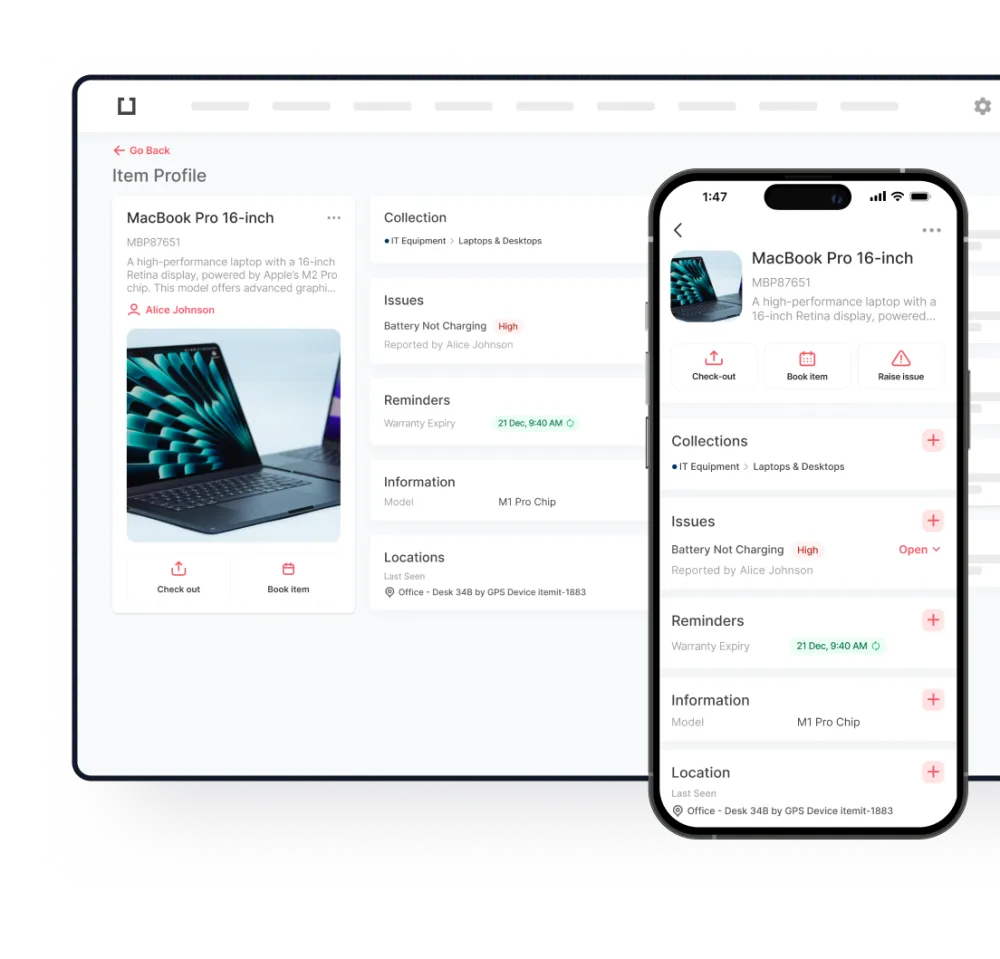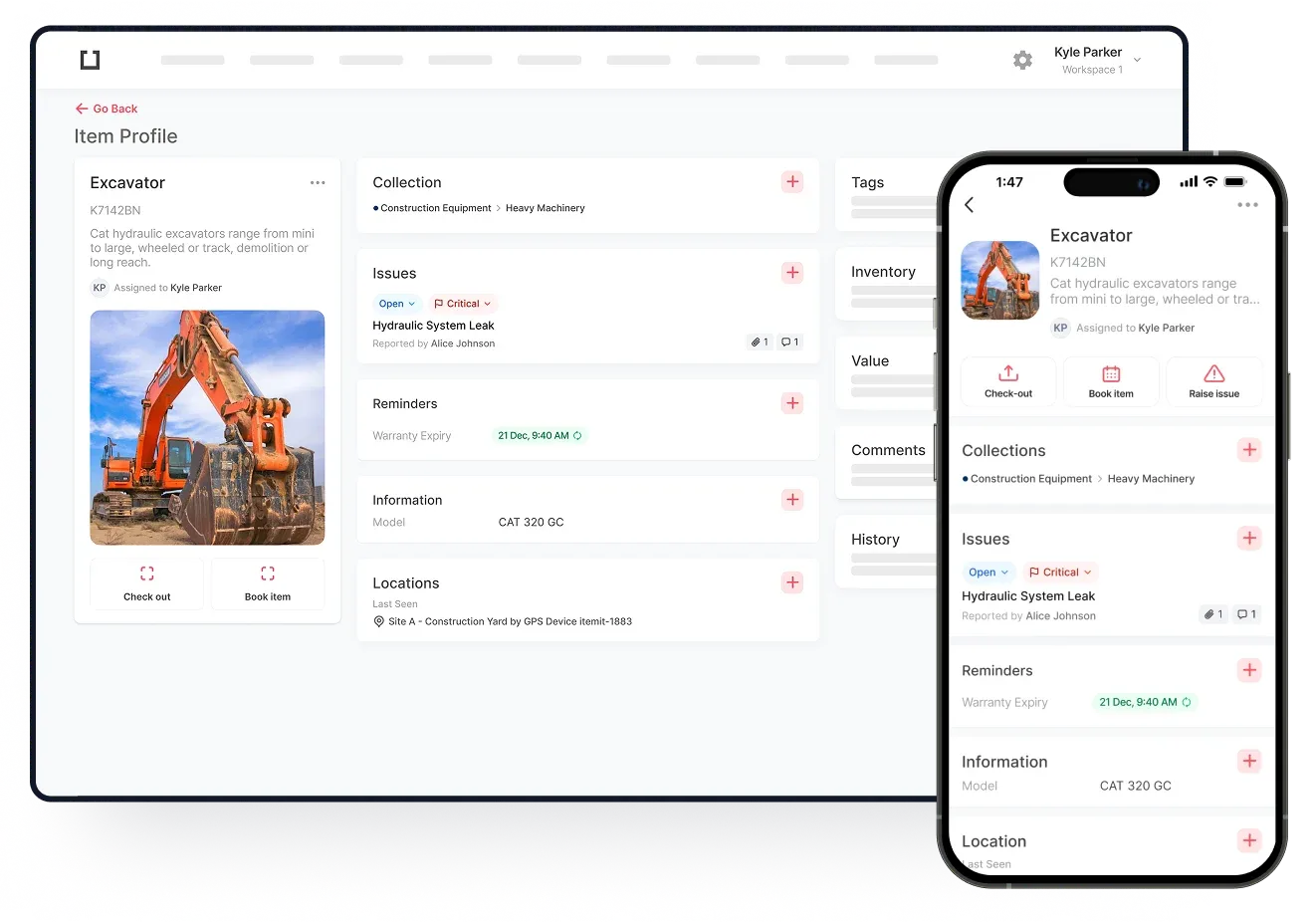
Every organisation relies on effective resource management to function smoothly. This is where asset and configuration management plays a pivotal role. By maintaining control over resources, businesses can streamline operations and reduce unnecessary expenses.
Understanding Asset and Configuration Management
Accurate tracking of assets ensures that every tool, system, or device fulfils its purpose without waste. It helps identify gaps, optimise usage, and prevent mismanagement. From physical equipment to digital systems, keeping resources in check enhances productivity and cuts costs.
At the same time, understanding system configurations allows teams to avoid disruptions. When infrastructure components are monitored and organised, teams can respond to changes swiftly and minimise errors.
Together, these practices form a foundation for operational efficiency, ensuring that no resource is overlooked and every system performs at its peak.
Asset Management vs Configuration Management
Understanding the distinction between asset management and configuration management is crucial for maintaining a well-organised IT environment. While both focus on resource control, their objectives and scope differ.
Asset management focuses on tracking and managing the lifecycle of physical and digital assets, such as hardware, software licences, and other resources. This ensures organisations can optimise asset usage, minimise costs, and plan for future requirements.
In contrast, configuration management deals with maintaining detailed records of IT system configurations. It ensures that servers, networks, and applications are properly documented, enabling teams to track changes, prevent inconsistencies, and maintain system stability.
Many configuration management solutions today leverage cloud-based tools, offering scalable, real-time management of system configurations.
When combined, IT asset and configuration management provides a comprehensive approach to managing IT resources. Asset management ensures every resource is accounted for and used effectively, while configuration management supports seamless system interactions and minimises downtime. Both are foundational to IT service management, helping organisations deliver consistent and reliable services.
Key Differences Between Asset and Configuration Management
To truly grasp the distinction between asset management vs configuration management, It’s helpful to compare their objectives, scope, and practical applications side by side. Below is a comparison chart to clarify their unique roles:
| Aspect | Asset Management | Configuration Management |
| Objective | Tracks asset lifecycle and value of resources like hardware, software, and equipment. | Ensures all system components are configured correctly and work together seamlessly. |
| Scope | Focuses on physical and digital assets, such as computers, licences, or furniture. | Involves IT infrastructure components like servers, databases, and applications. |
| Data Managed | Ownership details, cost, warranties, depreciation, and usage. | Versioning, relationships between components, and system states. |
| Examples of Use | Tracking laptops assigned to employees or monitoring software licences for compliance. | Documenting a server’s configuration or mapping relationships between network devices. |
| Primary Goal | Optimise asset usage and reduce costs. | Maintain system consistency and support seamless IT changes. |
In practice, it works like this:
- Asset Management:
A company uses asset management to track all company-issued smartphones. This includes details such as the purchase date, the assigned employee, and warranty information. - Configuration Management:
When deploying a new application, configuration management ensures the server settings, database connections, and network configurations are documented and aligned for proper operation.
The Interplay Between Asset and Configuration Management
Although asset and configuration management serve different purposes, their synergy is what drives efficient IT operations. These practices complement each other by filling gaps in data and providing a complete picture of an organisation’s IT environment.
Asset management answers the “what” and “where” questions: What resources do we own? Where are they located? Meanwhile, configuration management delves into the “how” and “why”: How is a system set up? Why is it configured in a certain way?
For example:
- Asset management might record that a server was purchased last year and is under warranty.
- Configuration management, on the other hand, would detail the server’s operating system, installed applications, and its role in the network.
When these systems work in isolation, information silos emerge. A server might be flagged as functional in the asset database but misconfigured in the system. Integrating the two ensures that assets are not only accounted for but also operational and aligned with the organisation’s needs.
Why Integration Matters
Bringing asset and configuration management together creates a more proactive IT environment:
- Enhanced Visibility: Teams get a unified view of resources and their configurations.
- Faster Issue Resolution: Troubleshooting becomes easier when asset and system configuration details are linked.
- Better Compliance: Accurate data ensures that both licensing and security standards are met.
Organisations that align these practices move beyond simple tracking. They gain control over the entire IT landscape, reducing inefficiencies, improving uptime, and enabling informed decisions.

The Role of Configuration Management Tools
Configuration management tools are essential for maintaining control over IT infrastructure. They automate the monitoring, updating, and documentation of system configurations, ensuring consistency across all components. In ITIL service asset and configuration management, these tools play a dual role: they manage detailed configuration data and integrate it with asset tracking to create a unified and efficient IT environment.